After Living in Chengdu for Five Months: Insider Tips for an Authentic Chengdu Travel Experience

Meta Description: Discover Chengdu beyond the tourist traps. After 5 months living in Chengdu, I share insider tips on panda base visits, hidden alleys, local food, and photography routes. Your ultimate Chengdu travel guide.
Introduction: Why Chengdu Captured My Heart
Last year, I spent five months living in Chengdu—not as a tourist, but as a temporary resident. I bought groceries at wet markets, cooked meals in my apartment, wandered aimlessly through ancient alleyways, and occasionally picked up travel photography gigs. After leaving, Chengdu's slow pace, fiery cuisine, and laid-back spirit kept calling me back in my dreams.
Chengdu has a peculiar magic: you can never quite tell if you're a visitor or a local. One day you're discovering a hidden corner like a first-time traveler; the next, you're haggling at the market like a seasoned resident. I've trekked through Western Sichuan countless times, capturing snow-capped peaks and grasslands, but I've also come to know Chengdu's backstreets, teahouses, and street food stalls intimately.
If you're planning a trip to Chengdu, this guide will help you skip the crowds and discover the city's true character. Let's dive into the best things to do in Chengdu, from iconic attractions to hidden gems.
1. Downtown Chengdu: Where to Go and What to Skip

1.1 Chengdu Panda Base: Beat the Crowds Like a Local
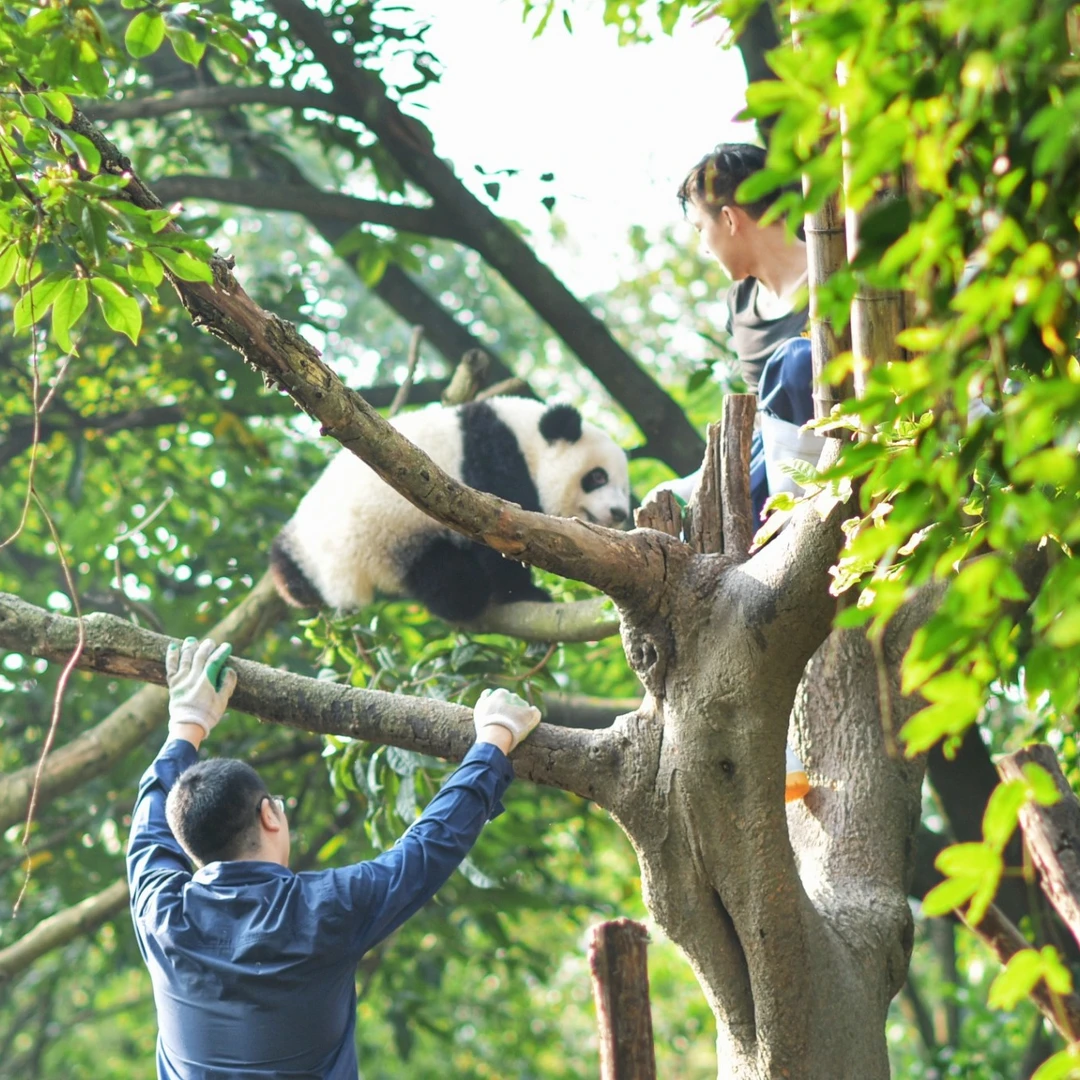
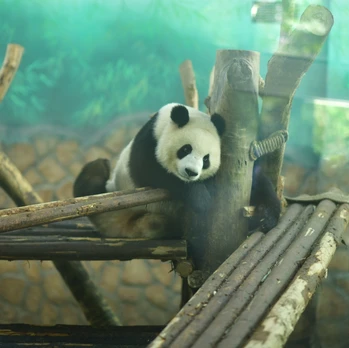
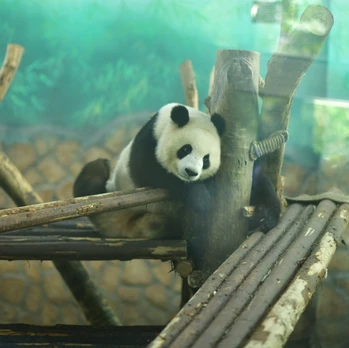
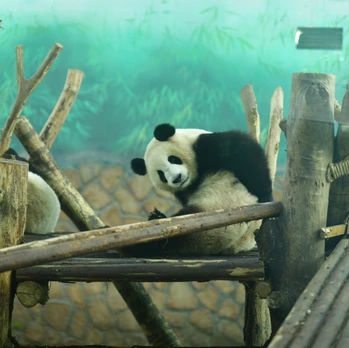
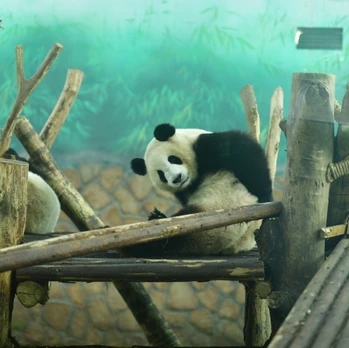
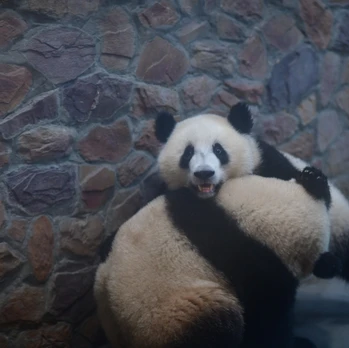
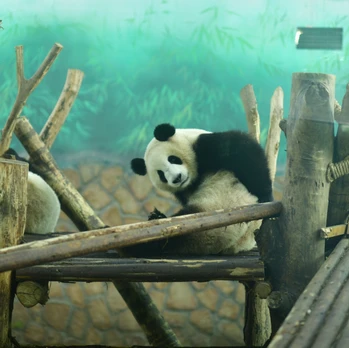
Honestly, I used to avoid the Panda Base—the thought of squeezing through hundreds of tourists to glimpse a few pandas made my skin crawl. But a friend dragged me there, and the moment I walked in, those round, squishy creatures won me over completely.
Pro Tips for Visiting Chengdu Panda Base: - Go early: In summer, arrive before 10 a.m., or the pandas will retreat indoors to enjoy air conditioning. - Transport: Direct shuttle buses run from Chunxi Road and Kuanzhai Alley. - Tickets: Buy online in advance. Adult tickets: 55 RMB; half-price: 27 RMB. Opening hours: 7:30 a.m. to 6:00 p.m.
Why this matters: The pandas are most active in the morning. After 10 a.m., they nap, and the crowds peak. Arriving early gives you a quieter, more rewarding experience.
1.2 Kuanzhai Alley: Skip Daytime—Visit at Night or Dawn
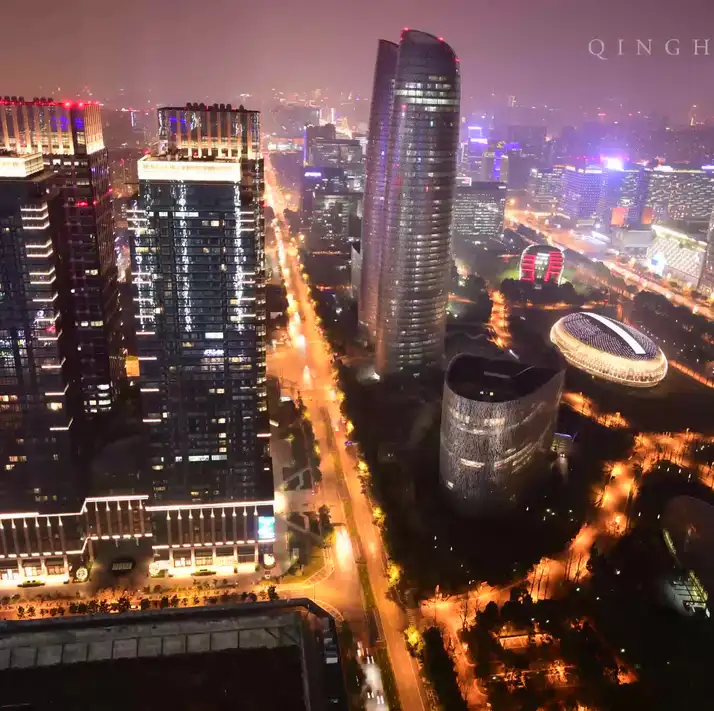
The first time I visited Chengdu in 2016, a rainy day at Kuanzhai Alley showed me what "wall-to-wall people" really means. Later, I lived less than 500 meters from it and walked past daily without ever entering.
If you must visit Kuanzhai Alley: - Go after 10 p.m. or early morning: The alley regains its original character. - Explore Jing Alley instead: Of the three parallel alleys, Jing Alley stays peaceful amid the bustle. You might even stumble upon a creative market.
That's the beauty of Chengdu—one street is packed with tourists, but turn the corner, and you're in a scene of everyday life.
1.3 Jinli Ancient Street and Wuhou Shrine: Timing Is Everything
These two spots sit side by side, so expect crowds. I don't recommend the street food at Jinli—it's overpriced and mediocre, like every touristy ancient street in China.
Wuhou Shrine: Worth entering, especially if you're into the Three Kingdoms period. Walk to the back of the shrine, where you'll find a quiet, hidden retreat.
Jinli Ancient Street: More atmospheric at night. Visit after dark for better ambiance and fewer crowds.
1.4 Chunxi Road and Taikoo Li: Snap a Photo, Then Explore the Real Gems
Chunxi Road is just another pedestrian street. Take a picture to prove you were there. The real treasures are Taikoo Li and IFS next door—the giant panda climbing the IFS building is an Instagram hotspot, while Taikoo Li offers a more refined shopping experience.
Bookstore lovers, take note: Taikoo Li houses Chengdu Fangsuo and Chengdu Maokong, two bookstores that became my spiritual hideaways in the city.
1.5 People's Park: Experience Chengdu's "Bashi" Lifestyle
If you want to experience Chengdu's "bashi" (comfortable, laid-back) lifestyle, People's Park is the place. Heming Teahouse is packed—avoid weekends and sunny days when both locals and tourists flood in.
Insider tip: Find an ordinary tea stall, sit down, and watch the elderly play mahjong and chat. That's the real Chengdu. [Link: Chengdu teahouse culture guide]
1.6 Qingyang Palace: 5 RMB for Peace and Quiet

This is the first Taoist temple in Western Sichuan, and entry costs just 5 RMB. If you're interested in Taoism or seeking a tranquil spot, it's perfect.
1.7 Museums and Libraries: Chengdu's Cultural Foundation
I recommend: - Sanxingdui Museum (a bit far—take a bus from Zhaojue Temple Station to Guanghan) - Sichuan Provincial Museum - Chengdu City Museum
Near Tianfu Square, you'll also find the library, art museum, and science museum. If you're into culture, you can spend a whole day here.
Special shout-out: Sichuan Provincial Library lets you borrow books with just your ID card—no deposit required. What a deal.
2. My Exclusive Chengdu Photography Route: Fewer People, More Character
I developed this route during my travel photography days in Chengdu. I've walked it countless times and always discover something new.
2.1 Wutongshu Street (Phoenix Tree Street): Literary Haven Next to Kuanzhai Alley
Wutongshu Street sits right next to Kuanzhai Alley but remains surprisingly quiet. Cafés, bookstores, chill bars, hotpot restaurants, pubs—everything literary and artsy is here. I usually meet people at 2 p.m. at the Kuanzhai subway exit, walk a few steps to Wutongshu Street, then stroll, chat, and take photos.
Cats often wander the street. I think they should rename it "Cat Street."
2.2 Yuanyang Building (Mandarin Duck Building): Old Chengdu Life

This is a popular Instagram spot. On weekends, it's crowded with photographers and models. But I recommend exploring the surrounding neighborhood after visiting the building—here you'll find the most authentic slices of Chengdu life, even the cats exude that old Chengdu laziness.
On your way to Yuanyang Building: Stop by Sichuan University. Cross the street from the north gate, and you're there.
2.3 Jianshe Road (Construction Road): From Nostalgia to Street Food Buzz
By the time you leave Yuanyang Building, it's around 5 p.m.—perfect for heading to Jianshe Road to eat your way through the stalls. A trip without local food memories would be such a waste.
2.4 Jiuyan Bridge (Nine-Eyed Bridge): Chengdu at Night
If you're not in the mood for a food street, it's just over a kilometer from Yuanyang Building to Jiuyan Bridge. The bridge is most beautiful as night falls, and there's a bar street nearby. Take a walk, feel the breeze, and wrap up your half-day outing.
3. What to Eat in Chengdu: From Hotpot to Street Stalls
I could write for three days about Chengdu's hotpot. Every time I eat it, I end up with an upset stomach, but I still can't resist—that's the magic of Chengdu hotpot.
Best Hotpot in Chengdu
- Pao Ge Ren Jia (Brother Pao's Place): The first hotpot I had on my first day. I later tried "Shu Daxia," "Xiao Long Kan," and others, but this one remains my favorite.
- Diantai Alley Hotpot (Radio Alley Hotpot): Also worth a try.
Chuan Chuan (Skewers) Recommendations
Kuixinglou Street is packed with amazing food. It was close to where I lived, so I went often:
- Er Niang Chicken Feet (Second Auntie's Chicken Feet): The braised dishes are so good they'll make you cry—and so spicy they'll make you cry too. Sichuan people say it's not spicy, but I can handle heat, and I was in tears.
- The skewer shop next door (I forgot the name)—I ate there at least five times.
Jianshe Road Food
- Xianglong Chicken Feet: Soft and tender, the bones melt in your mouth.
- Ye Popo Bobo Chicken (Granny Ye's Cold Skewers): Cold skewers, pretty good.
- The braised food stall next to the malatang shop beside Shu Daxia (forgot the name again).
FAQ: Your Chengdu Travel Questions Answered
Q1: What is the best time to visit Chengdu?
 A: Spring (March–May) and autumn (September–November) offer mild weather and fewer crowds. Summer is hot and humid; winter is chilly but less crowded.
Q2: How many days do I need in Chengdu?
A: For a comprehensive visit, 3–4 days is ideal. This allows time for the Panda Base, historical sites, food exploration, and a day trip to nearby attractions like Leshan Giant Buddha or Mount Qingcheng.
Q3: Is Chengdu expensive?
 A: No. Chengdu is affordable compared to Beijing, Shanghai, or Guangzhou. Street food meals cost 10–30 RMB, and mid-range restaurants run 50–100 RMB per person. Accommodation is also reasonably priced.
Q4: Do I need to speak Mandarin in Chengdu?
A: Basic Mandarin helps, but many tourist areas have English signage. Download a translation app for menus and directions. Locals are generally friendly and patient.
Q5: What's the best way to get around Chengdu?
A: The metro system is efficient and covers major attractions. Taxis and ride-hailing apps (DiDi) are affordable. For short distances, walking or renting a bike is ideal.
Conclusion: Your Chengdu Adventure Awaits
Chengdu isn't just a city you visit—it's a city you experience. From the pandas at dawn to the hotpot at midnight, from the quiet alleys to the bustling markets, every corner holds a story. After five months living here, I can tell you: the real Chengdu isn't in the guidebooks. It's in the teahouses, the street stalls, and the smiles of locals who welcome you like an old friend.
Ready to plan your trip? Start with the Panda Base (early morning!), explore Wutongshu Street, and eat your way through Jianshe Road. And remember: the best memories come from getting lost.
Book your Chengdu adventure today—and discover why so many people fall in love with this city.
Have questions about your Chengdu itinerary? Drop them in the comments below—I'd love to help!
You may also like