A Taste of Southern Sichuan: The Ultimate Food & Travel Guide to Yibin, Zigong, and Beyond
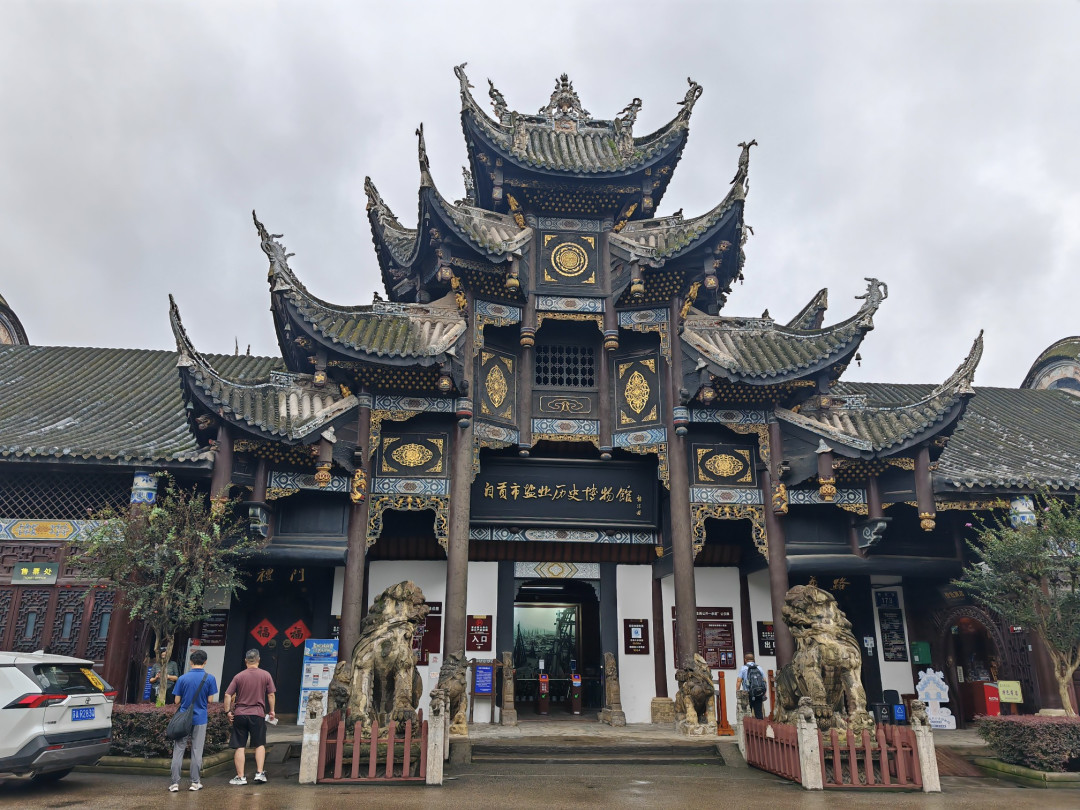
Meta Description: Explore Southern Sichuan's smoky, fiery cuisine and stunning landscapes. From Chengdu street food to Hailuogou glaciers, this Yibin travel guide covers the best of Sichuan food tours and mountain adventures.
Introduction: Why Southern Sichuan Deserves a Spot on Your Bucket List
There's an old saying: "Read a book halfway, drink wine until tipsy." My attitude toward food is much the same—I don't seek lavish feasts, only a few dishes in ordinary alleyways that warm the heart. As one of China's eight great culinary traditions, Sichuan cuisine needs no introduction. But only by venturing into its heartland do you realize the flavors here are far more diverse and profound than you ever imagined.
Sichuan cuisine is divided into three major branches: the refined "Upper River School" of Chengdu, the bold "Lower River School" of Chongqing, and the fiery "Small River School" of Zigong. This Southern Sichuan travel itinerary takes you from Chengdu's late-night food stalls through Hailuogou's glaciers, Wawu Mountain's mists, Leshan's river breeze, Zigong's smoky kitchens, Yibin's wine-soaked air, and finally to Chongqing's neon glow. This isn't just a trip—it's a ritual, a journey to measure southern Sichuan with your taste buds.
Chapter 1: Chengdu Food Tour – Navigating the City's Best Hole-in-the-Wall Restaurants
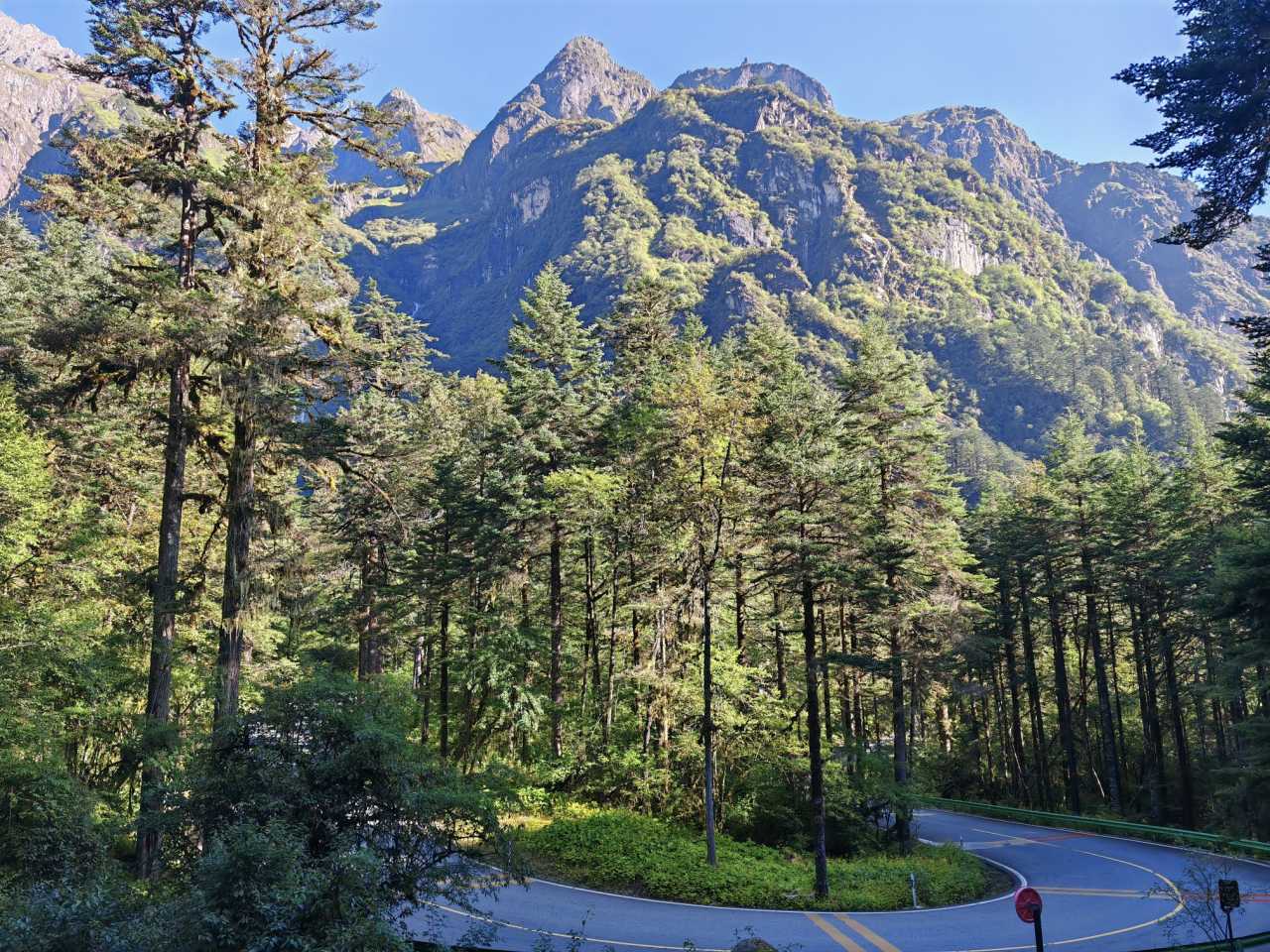
Where to Find Authentic Chengdu Street Food Near Kuanzhai Alley
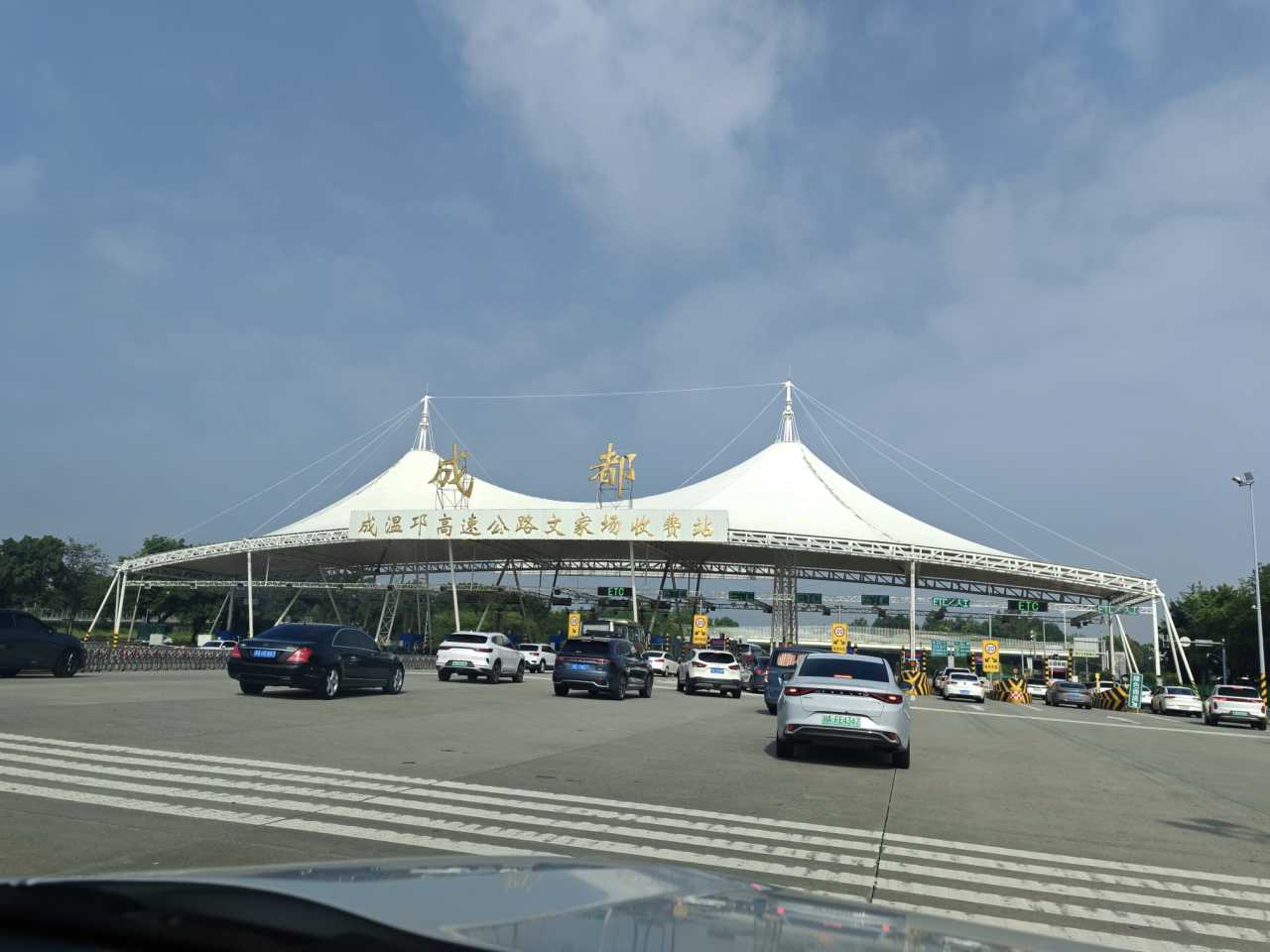
On a September evening, the high-speed train pulled into Chengdu East Station. We stayed at the JI Hotel near Kuanzhai Alley—a smart choice for food lovers. By 9 PM, we were hunting for authentic Sichuan hole-in-the-wall restaurants. Our first target, Yutian Restaurant, had closed early, but the manager kindly recommended nearby alternatives. Pro tip: in Chengdu, even closed restaurants offer great service.
Jixiang Street Eats: Taolin Restaurant and Bobo Chicken

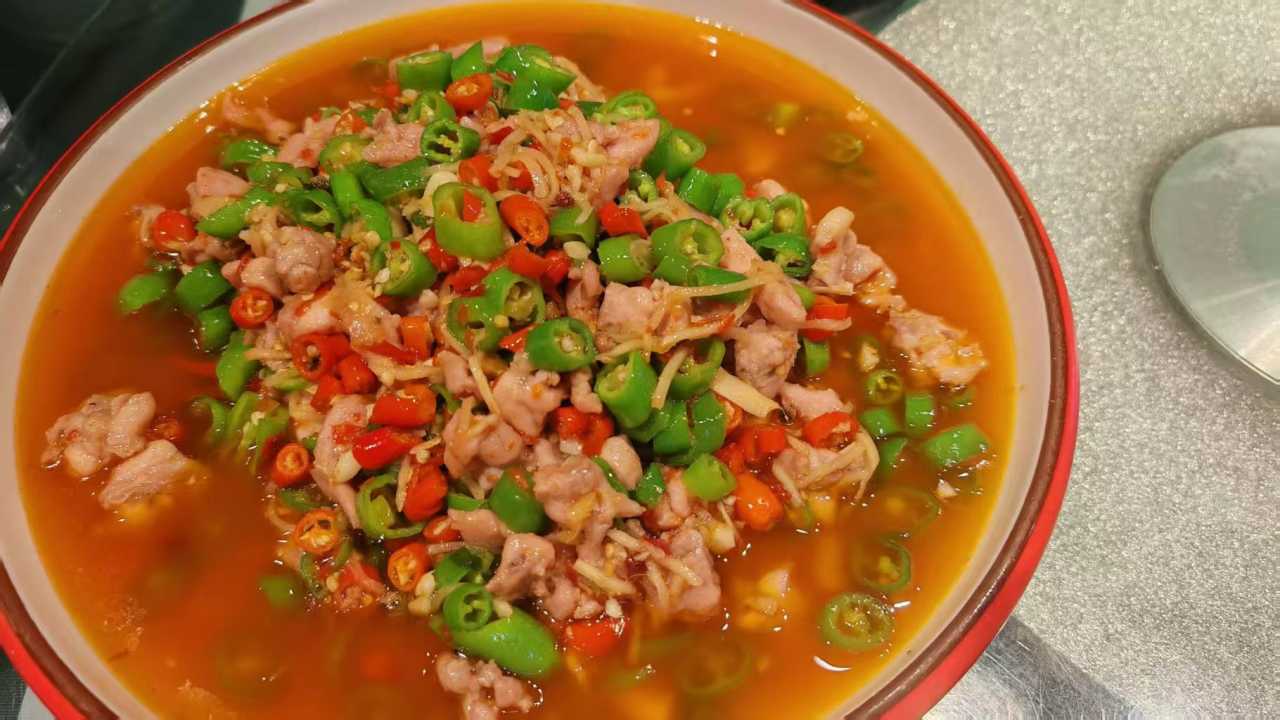
Jixiang Street is a paradise for Chengdu street food. A row of shops sells wind-dried rabbit, spicy crab, roast duck, and bobo chicken (cold skewers in chili broth). We walked into Taolin Restaurant and ordered fresh pepper rabbit, spicy chicken, blood curd with tripe, and explosive-fried pork aorta, paired with Wuliangye liquor. The flavors were spot-on—we cleaned every plate.
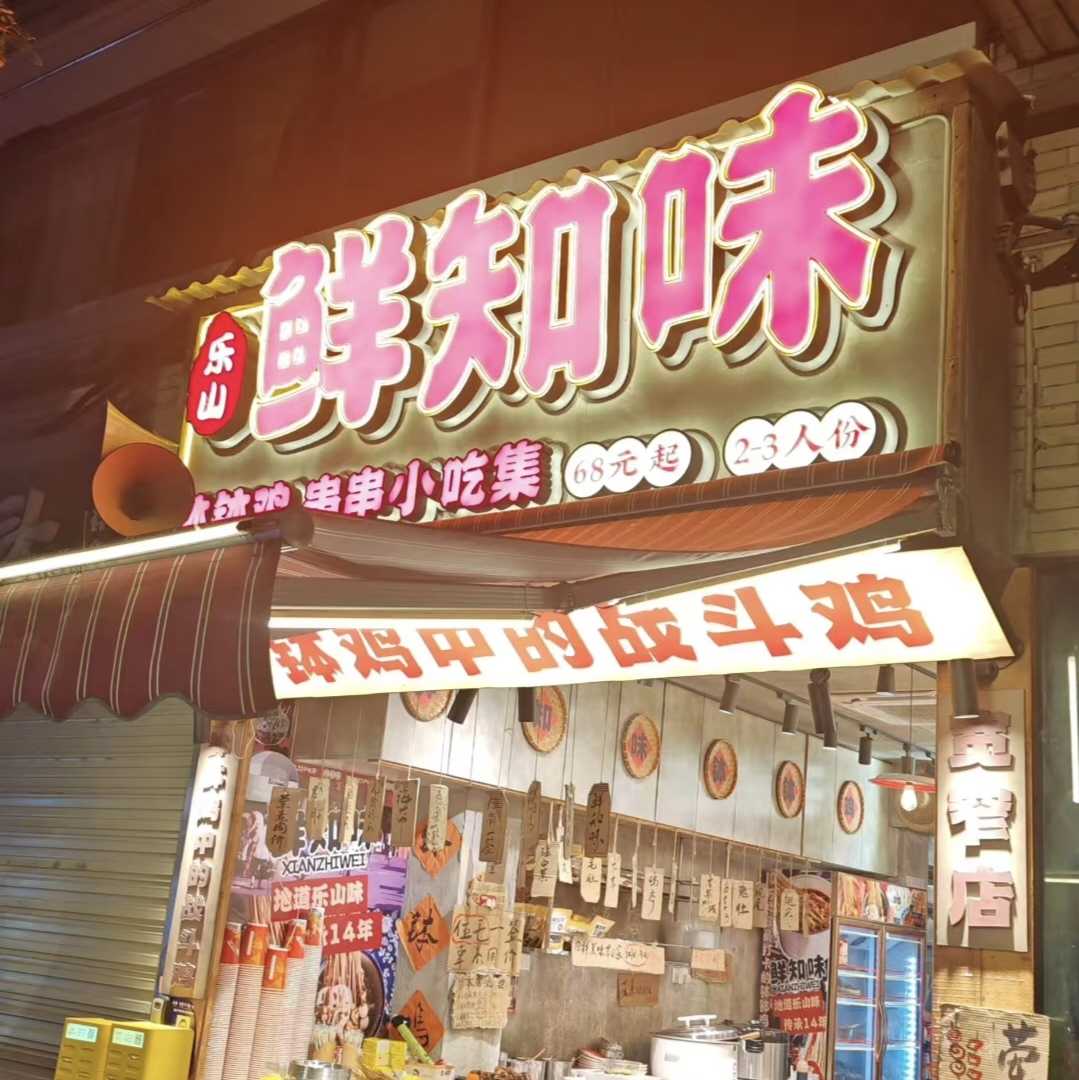
Next stop: Xianzhiwei Bobo Chicken. Seven people ate for just over 40 yuan (about $6). But here's the catch: Taolin served Zigong-style food, and Xianzhiwei was Leshan street food. Where was the Chengdu specialty? For the third round, we needed pig trotters.
Late-Night Pig Trotter Hunt: Mom's Trotter Headquarters
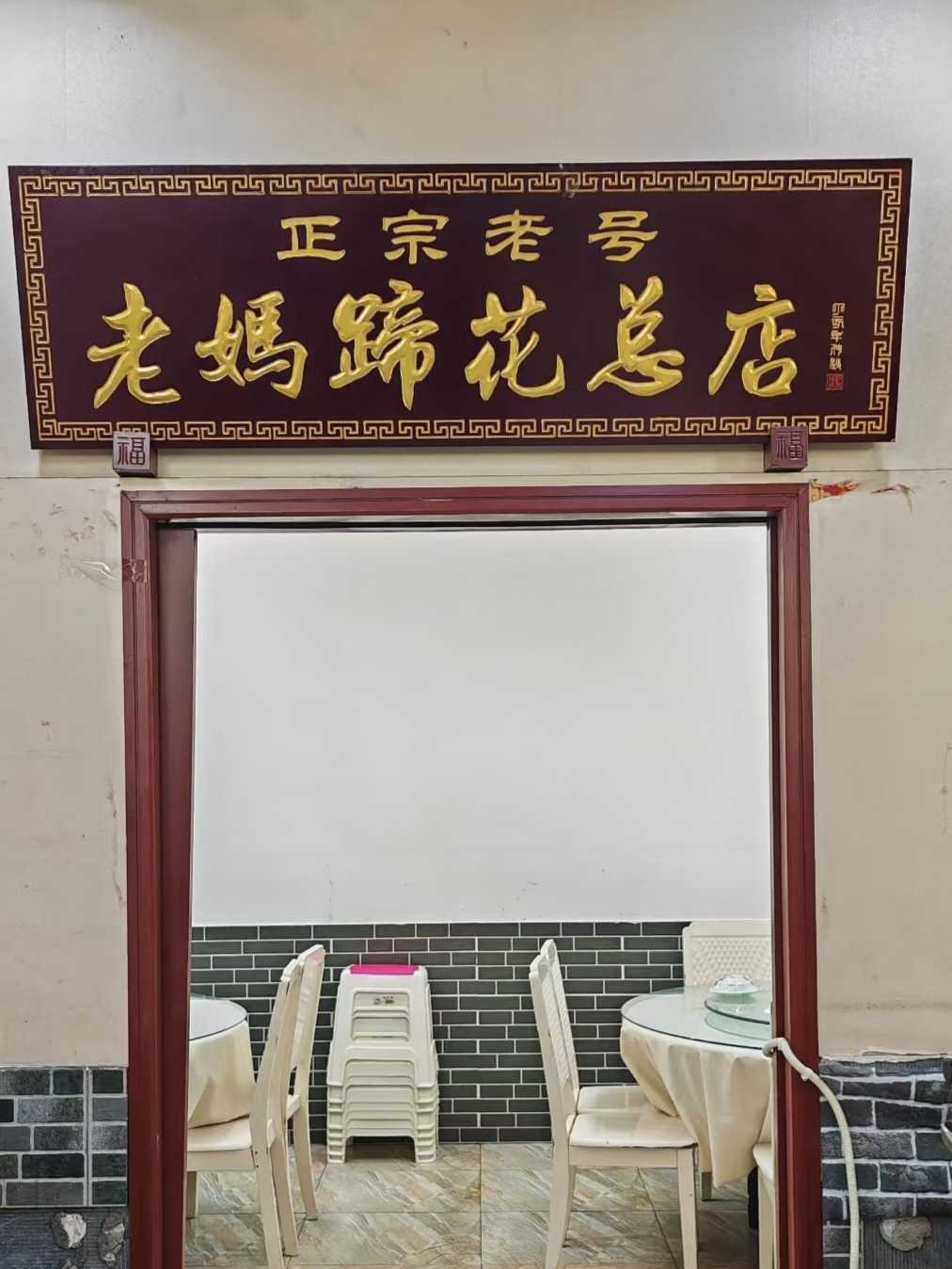
After a failed search near People's Park (demolished), we found "Mom's Trotter Headquarters" online. The owner was honest and welcoming. We ordered two servings of trotters, two stir-fries, and a liver-and-kidney combo. We feasted until completely satisfied. This triple-play of late-night eats became legendary among our friends.
[Link: Best Sichuan street food in Chengdu]
Chapter 2: Hailuogou Glacier Travel Guide – Snow Peaks, Hot Springs, and Scenic Views
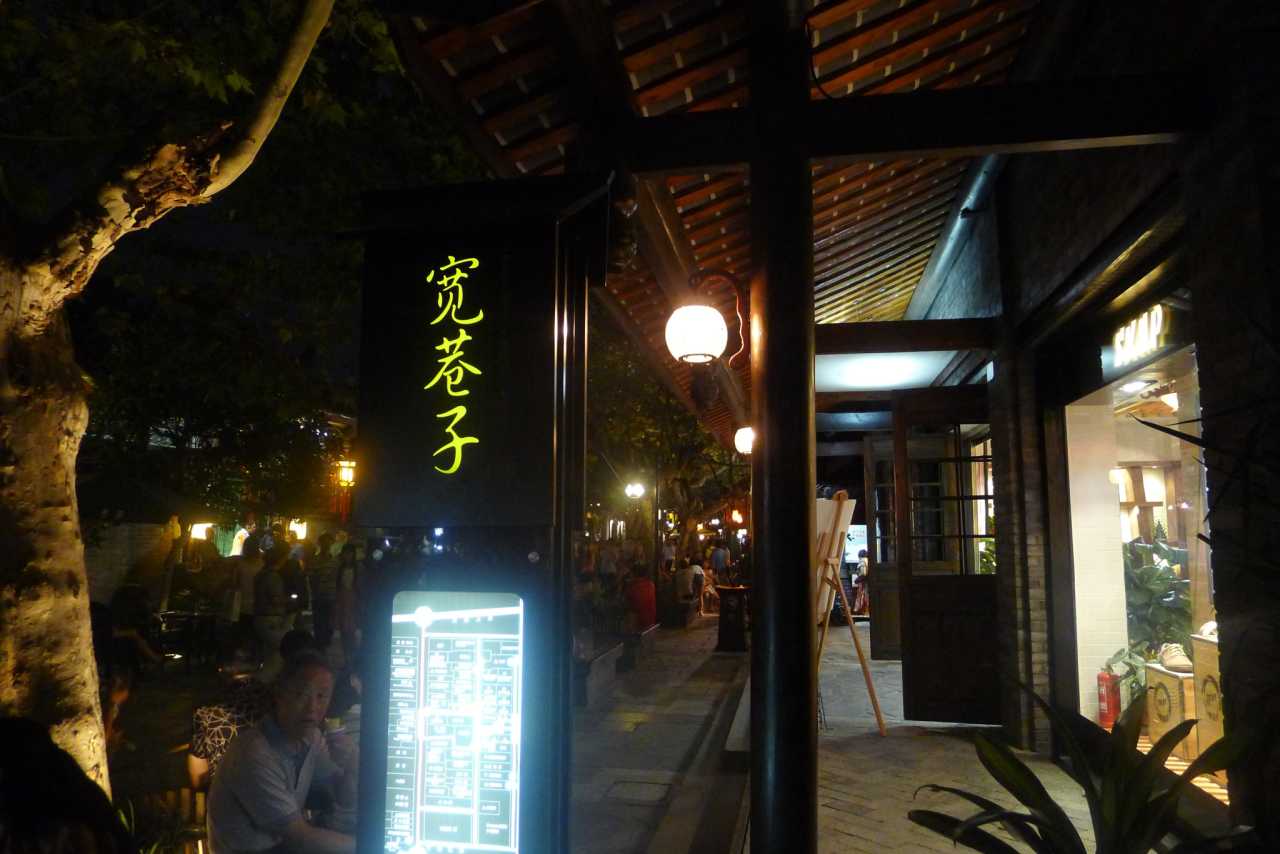
How to Get to Hailuogou from Chengdu
To build up our appetites, we went hiking. On September 13, we drove from Chengdu to Hailuogou Scenic Area in Luding County—about 300 kilometers and 5.5 hours. The expressway now reaches Kangding, but we missed our exit. Advice: when you see the 13.5-kilometer Erlang Mountain Tunnel sign, exit immediately after the tunnel and take the Luding off-ramp. Cell signal is poor, so download offline maps. If you end up in Kangding, try Yumo Road to Moxi Ancient Town.
Moxi Ancient Town and Jinshan Hotel Accommodation
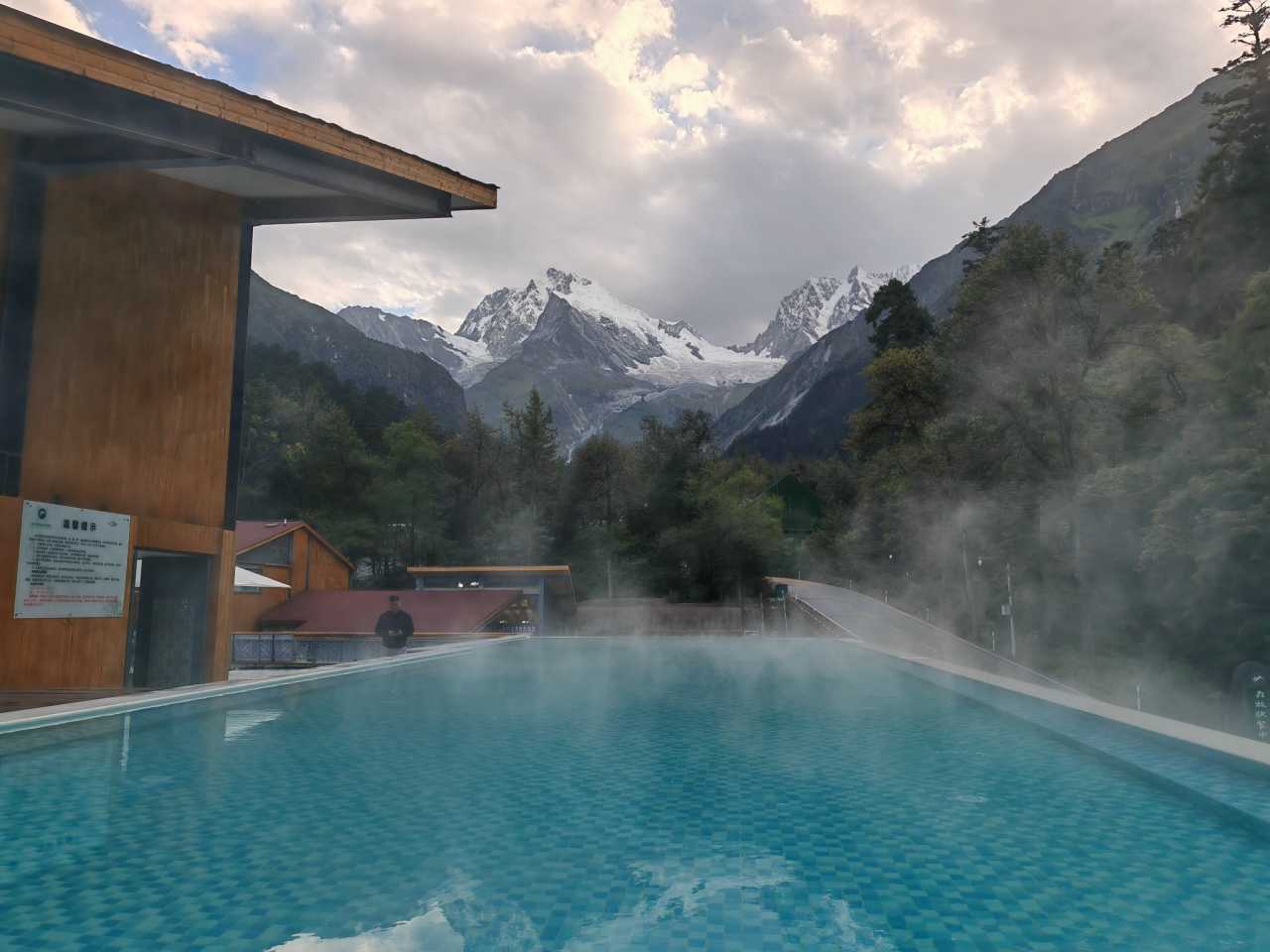
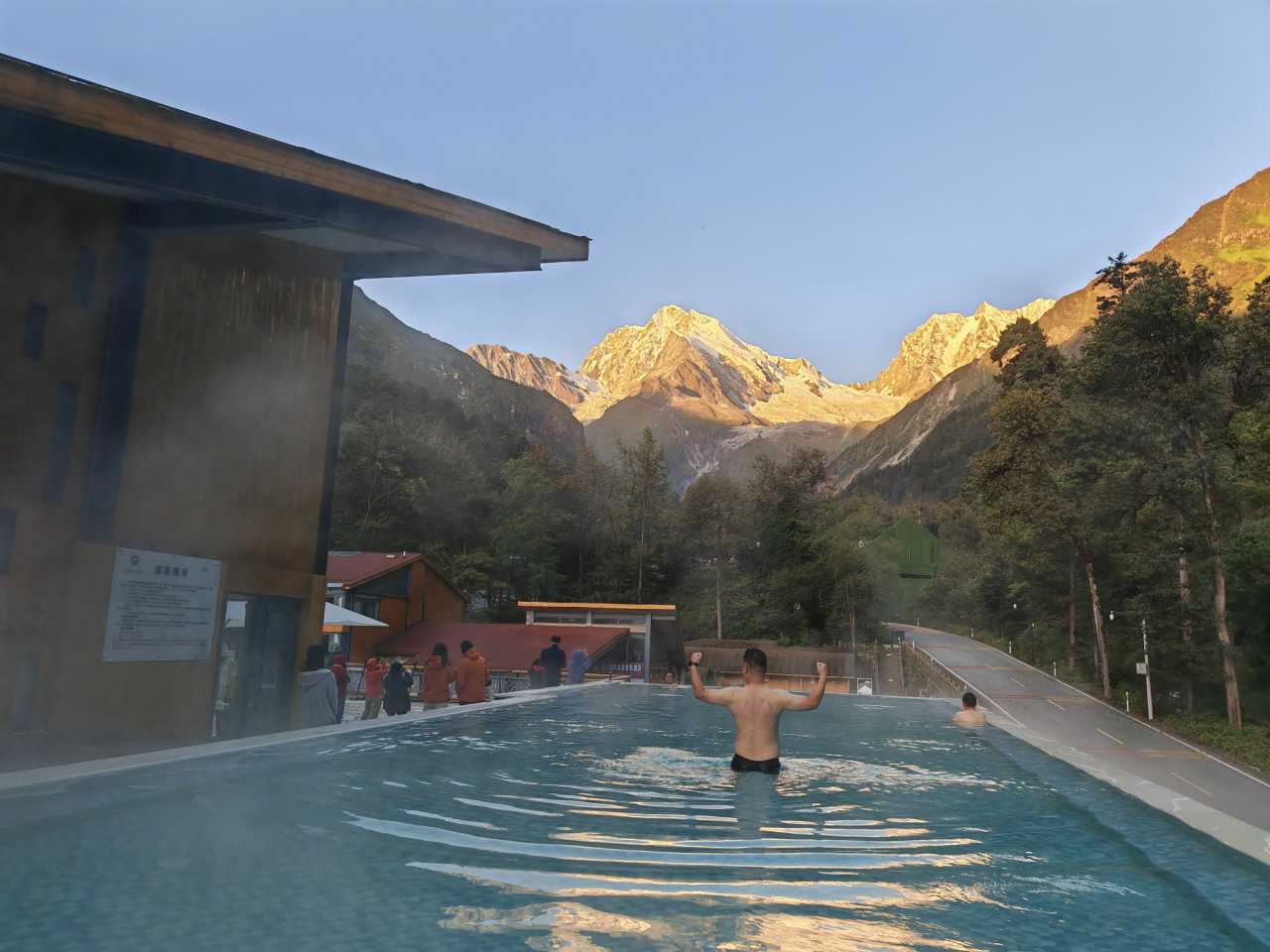
Moxi Ancient Town looks like a ship from a distance, rebuilt after an earthquake years ago. Park at Mingzhu Garden Parking Lot, buy tickets at the visitor center, and take the shuttle. We booked rooms at Jinshan Hotel in Camp 3 for the "golden sunlight on snow-capped peaks." Facilities are dated, but location and service are excellent. The last shuttle to Camp 3 leaves around 2:30 PM. If you miss it, contact the hotel—they'll arrange another vehicle if enough people are waiting. The hotel sits at 2,900 meters, so altitude sickness isn't a concern. Just the cold. And remember: don't leave wet towels on the floor—rooms have underfloor heating.
Golden Sunlight on Snowy Peaks and Glacier Walking
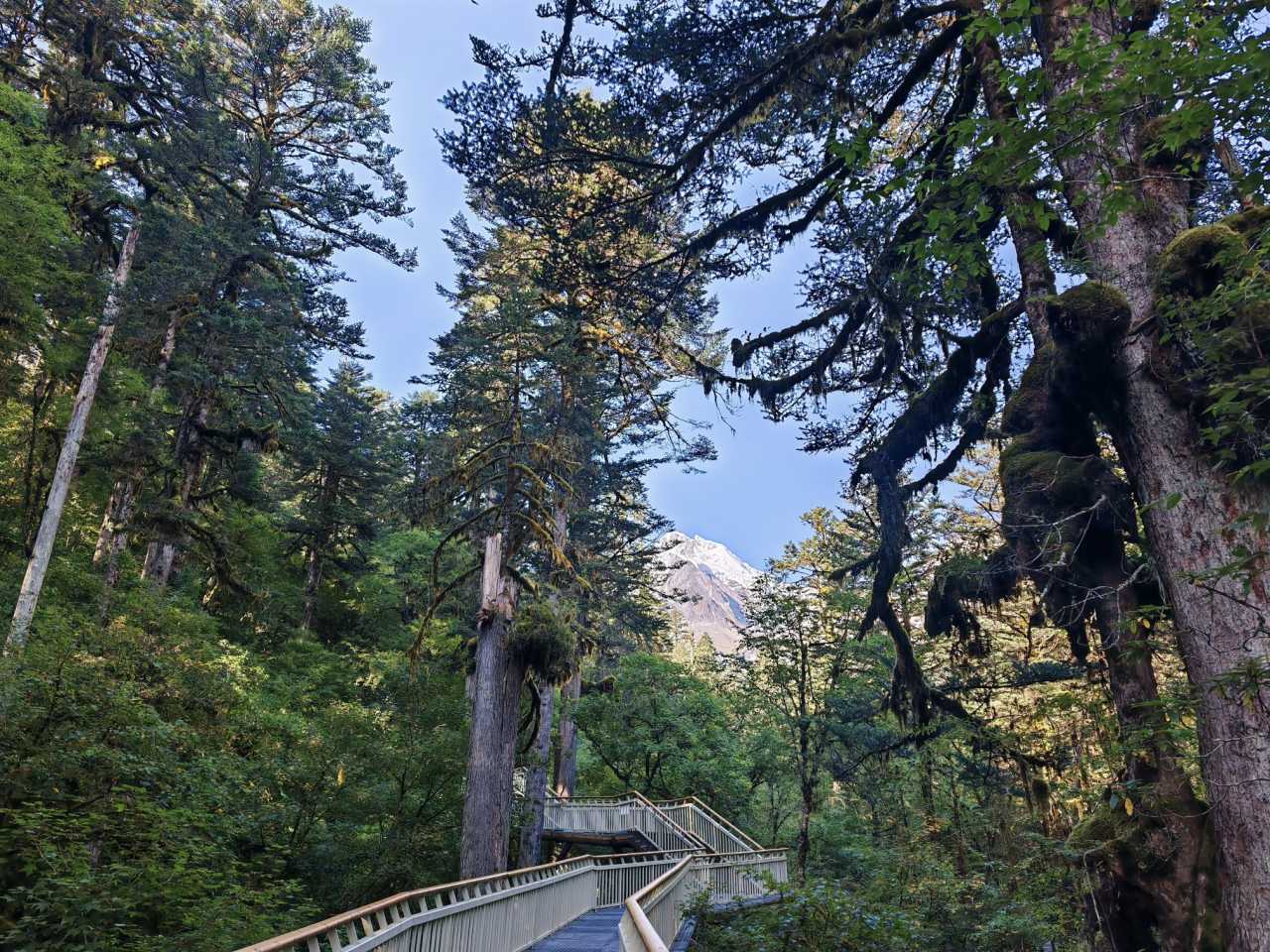
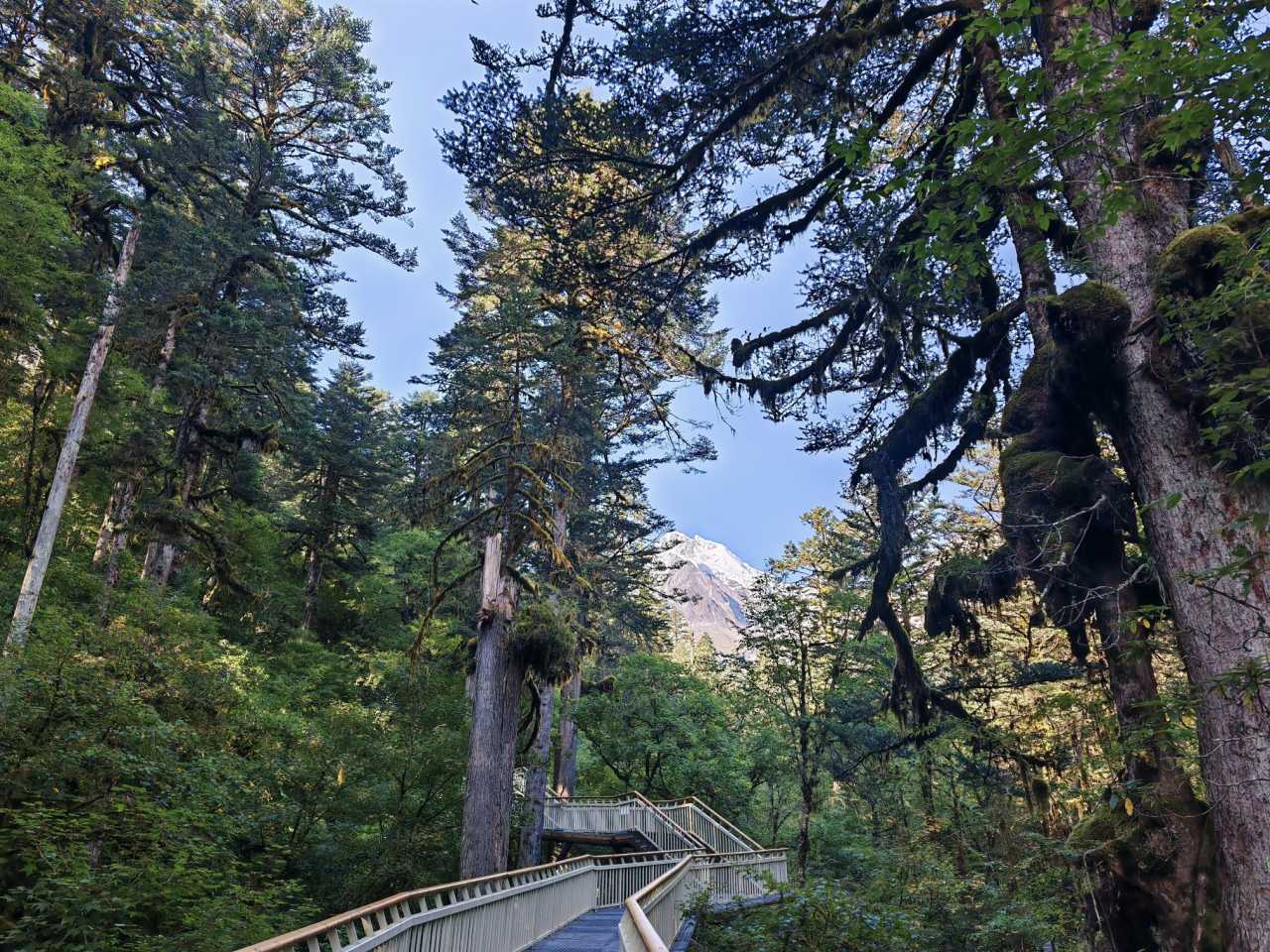
We woke at 6 AM to watch sunrise paint the snowy peaks. The mountains were right in front of us. After breakfast, we walked to the cable car station. Hailuogou is a glacier forest park with phenomenal air quality. Camp 4 has three viewing platforms: Gongga's Phoenix, Gongga's Dragon, and Gongga's Love—perfect for snow-capped peak photos. The great glacier stretches from summit to valley, mostly covered in gravel. Look closely for blue ice. For the energetic, head left to Red Rock Beach past the Four-Faced Buddha and Diamond Pagoda to Gongga's Eye. Snowy peaks surround you, so close they seem within arm's reach. Gongga soars over 7,000 meters—a rare treat.
This was my second visit. The old viewing platform is probably abandoned. Today, getting up close to the glacier at Chengmen Cave costs extra and isn't worth it. We skipped Camp 2's hot springs and Grass Lake, heading straight down.
[Link: Hailuogou glacier hiking tips]
Chapter 3: Wawu Mountain Travel – A Misty Wonderland in Southern Sichuan
Luding Bridge and the Three-Mountain Tourist Route
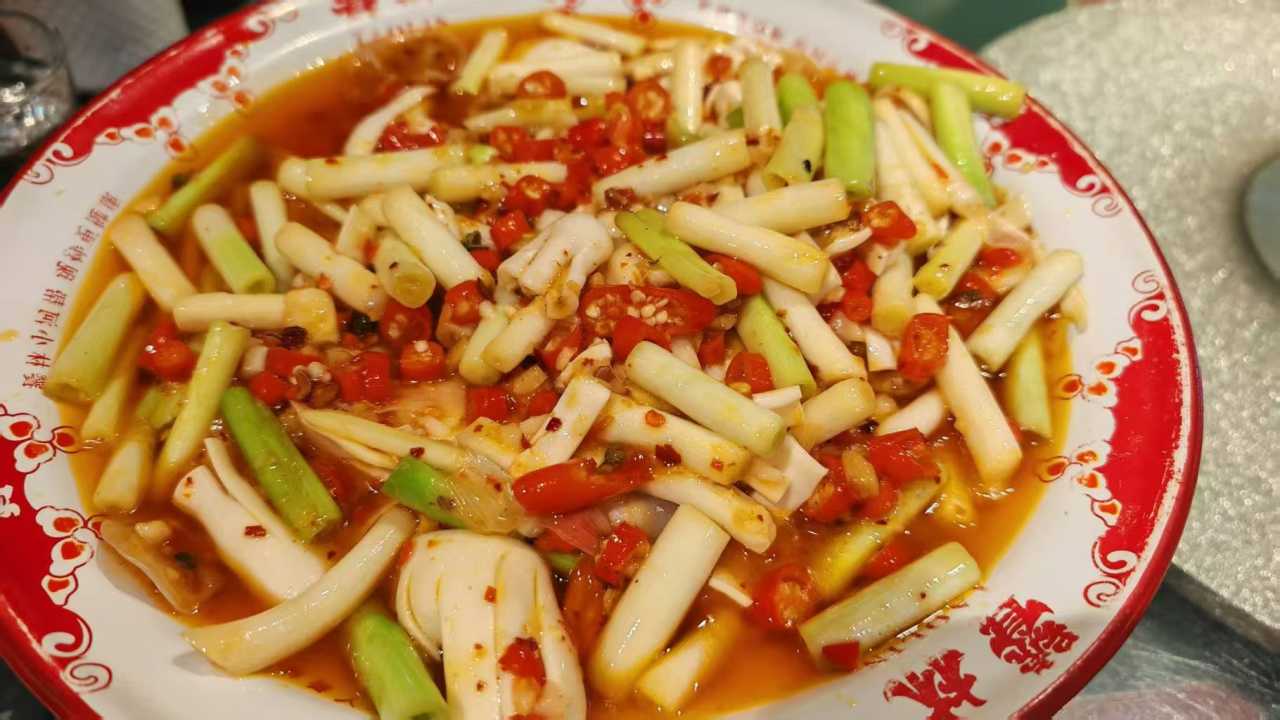
On September 14 afternoon, we left Hailuogou, retraced to Luding, and visited Luding Bridge. Luding County is long and narrow, mostly on the east bank of the Dadu River. National Highway 318 runs along the west bank. After the Red Army Bridge Tunnel, plenty of parking lots line the roadside. Tickets are cheap—10 yuan, discounted to 5 yuan. The bridge offers stunning views of the rushing river below.
The Three-Mountain Tourist Route connects Hailuogou, Wawu Mountain, and Emei Mountain. Wawu Mountain is famous for its misty clouds, ancient forests, and mysterious Buddha light phenomena. Plan at least a full day for hiking. The mountain's unique topography creates a "table mountain" effect—flat on top, surrounded by cliffs. The best time to visit is May to October for lush greenery and clear views.
[Link: Wawu Mountain hiking trails]
Chapter 4: Zigong Food Guide – The Fiery Heart of Southern Sichuan Cuisine
What Makes Zigong Cuisine Unique
Zigong, the "Salt Capital" of Sichuan, developed its own culinary school—the "Small River School." Zigong cuisine is known for its rich, fragrant, fiery, and raw flavors. The city's salt merchants created dishes that are bolder and spicier than Chengdu's refined fare. Must-try dishes include:
- Zigong fresh pepper rabbit – tender rabbit meat stir-fried with green peppers and Sichuan peppercorns
- Zigong spicy chicken – crispy chicken pieces with dried chilies and peanuts
- Zigong blood curd with tripe – silky tofu and tripe in a fiery broth
- Zigong explosive-fried pork aorta – crunchy pork aorta with chilies and garlic
Where to Eat in Zigong
The best Zigong restaurants are hole-in-the-wall joints in the old city. Look for places packed with locals. Avoid tourist traps near major attractions. Our favorite was Taolin Restaurant in Chengdu (they serve Zigong-style food), but for the real deal, head to Zigong's Dongxing Temple area or the old salt well districts.
[Link: Zigong cuisine must-try dishes]
Chapter 5: Yibin Travel – Wine, Ancient Towns, and Riverside Charm
Yibin's Wuliangye and Local Food Culture
Yibin is famous for Wuliangye, one of China's most prestigious baijiu (liquor) brands. The city sits at the confluence of the Yangtze, Min, and Jinsha rivers, creating a unique microclimate perfect for fermentation. Wine culture permeates everything—locals often pair meals with small jars of Wuliangye. Our group enjoyed it with every meal, from Taolin's spicy dishes to late-night trotters.
Leshan and Luzhou: Ancient Towns and River Breeze
From Yibin, we headed to Leshan for its famous river breeze and giant Buddha statue. Leshan's street food scene is legendary—bobo chicken, spicy crab, and wind-dried rabbit are local specialties. Luzhou, another ancient town, offers a quieter, more relaxed atmosphere. The old town streets are lined with traditional buildings, and the local liquor culture rivals Yibin's.
[Link: Yibin Wuliangye distillery tours]
Chapter 6: Chongqing Travel – Neon Lights and Spicy Nights
Chongqing's Nightlife and Food Scene
Our journey ended in Chongqing, the "Mountain City." The neon glow of Chongqing's skyline is unforgettable. The city's food scene is bold and spicy, reflecting its dock culture heritage. Must-try dishes include Chongqing hotpot (numbing and spicy), Chongqing noodles (dan dan mian), and spicy rabbit head. The best areas for food are Jiefangbei, Hongyadong, and the old streets near Chaotianmen.
How to Navigate Chongqing's Vertical City
Chongqing's terrain is challenging—elevators and escalators often replace streets. Use the metro system (it's cheap and efficient) or hire a private driver. Avoid driving yourself; the city's one-way streets and steep hills are notoriously confusing. Wear comfortable shoes—you'll be walking up and down stairs constantly.
[Link: Chongqing travel tips for first-timers]
FAQ: Southern Sichuan Travel and Food
Q: What's the best time to visit Southern Sichuan?
 A: Spring (March-May) and autumn (September-November) offer mild weather and clear skies. Summer is hot and humid; winter is cold but less crowded.
Q: How many days do I need for this Southern Sichuan itinerary?
A: Plan at least 7-10 days. Spend 2 days in Chengdu, 2 days at Hailuogou, 1 day at Wawu Mountain, 1 day in Zigong, 1 day in Yibin, and 2 days in Chongqing.
Q: Is Sichuan food too spicy for foreigners?
 A: Sichuan cuisine is famous for its heat, but you can request "less spicy" (少辣, shao la) or "mild" (微辣, wei la). Many dishes are flavorful without being overwhelming.
Q: What should I pack for a Southern Sichuan trip?
A: Comfortable walking shoes, layers for mountain weather, a reusable water bottle, sunscreen, and a power bank. For Hailuogou, bring a swimsuit for hot springs and warm clothes for cold mornings.
Q: How do I get around Southern Sichuan without a car?
A: High-speed trains connect Chengdu, Leshan, Yibin, and Chongqing. For Hailuogou and Wawu Mountain, hire a private driver or join a tour group. Buses are available but less convenient.
Conclusion: Your Southern Sichuan Adventure Awaits
Southern Sichuan is more than a destination—it's a sensory journey through smoke, fire, mountains, and rivers. From Chengdu's late-night street food to Hailuogou's glaciers, from Zigong's fiery kitchens to Yibin's wine-soaked air, every stop offers something unforgettable. This isn't a trip for the faint of heart—it's for those who want to taste, smell, and feel China's most dynamic region.
Ready to plan your Southern Sichuan adventure? Start by booking your flights to Chengdu, then follow this itinerary for the ultimate food and travel experience. Don't forget to pack your appetite—and your sense of adventure.
[Link: Book Southern Sichuan tour packages]
Note: This article is based on a real journey through Southern Sichuan. Prices and availability may vary. Always check current conditions before traveling.
You may also like


