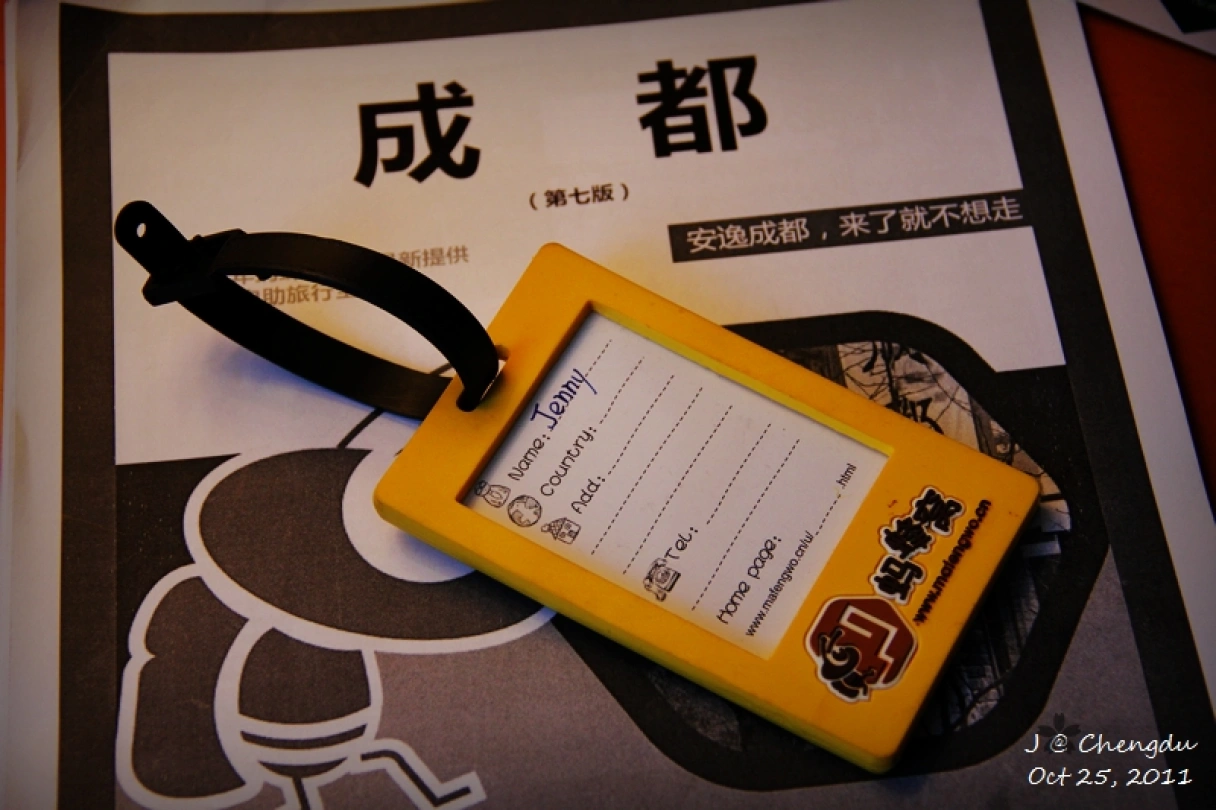
A Tale of Two Cities: A Bashu Cultural Feast Through Chengdu and Chongqing

Meta Description: Explore the ultimate Bashu cultural feast in Chengdu and Chongqing. Discover travel tips, must-see attractions like Ciqikou and the Yangtze River Cableway, and how to navigate these twin cities during peak seasons.
Introduction: Why a Tale of Two Cities?
Travel means different things to different people. For some, it's an escape from routine; for others, it's a search for inner peace. For me, it's the intoxicating feeling of getting lost in a strange city, only to find myself again. When my feet touch unfamiliar ground, every corner might reveal a surprise, every pause might encounter a story. That's why I packed my bags during the 2017 Spring Festival and embarked on what I called "A Tale of Two Cities" —a journey through Chengdu and Chongqing.
These two cities had long planted seeds in my heart. Chengdu, the "Land of Abundance," carries the profound legacy of ancient Shu civilization. Chongqing, the "Mountain City," embodies the unique charm of Ba-Yu culture. They are like twin brothers with starkly different personalities—one gentle as jade, the other fiery as flame—yet together they weave the splendor of Sichuan's land.
In this comprehensive guide, we'll dive into the best time to visit Chengdu and Chongqing, how to plan a Chengdu Chongqing itinerary, and top attractions in Bashu culture. Whether you're a first-time visitor or a seasoned traveler, this article will help you navigate these twin cities like a pro.
Pre-Trip Preparation: How to Plan a Smooth Chengdu Chongqing Trip
Flights and Accommodation: The Battle for Spring Festival Travel

Traveling during the Spring Festival means battling surging crowds and rising prices. I started planning more than a month in advance, comparing prices across various travel platforms. Eventually, I booked a "flight + hotel" package on Ctrip, even catching a discount promotion. I thought I'd scored a bargain. But as the departure date approached, I noticed the prices had dropped further—a frustrating realization. What's more, Ctrip's orders are non-refundable once paid. Fortunately, the follow-up service was decent enough, and they resolved issues promptly.
Pro tip: If you're planning a Chengdu Chongqing trip during Chinese New Year, book early but keep an eye on price drops. Consider using platforms like Fliggy or Qunar for comparison.
The Art of Itinerary Planning: A 7-Day Chengdu Chongqing Itinerary
A few days before departure, I spent two full days crafting a detailed travel guide. From airport to hotel, from hotel to attractions, I considered the time and cost of taxis, buses, and walking for every leg. Here's the final 7-day Chengdu Chongqing itinerary:
- Day 1: Beijing → Chongqing
- Day 2: Chongqing day trip (Yangtze River Cableway, Ciqikou Ancient Town)
- Day 3: Chongqing → Chengdu (high-speed train)
- Day 4: Huanglongxi Ancient Town
- Day 5: Giant Panda Base, Kuanzhai Alley
- Day 6: Dujiangyan Irrigation System, Mount Qingcheng
- Day 7: Chengdu → Beijing
Long-tail keyword focus: Best 7-day itinerary for Chengdu and Chongqing, How to travel from Chongqing to Chengdu, Things to do in Chengdu and Chongqing in a week
Weather and Gear: What to Pack for Chengdu and Chongqing
Before leaving, I checked the weather forecast and found that Chongqing and Chengdu would be overcast and rainy, with temperatures 7–9°C higher than Beijing. Though a bit disappointing, I've always believed that a smile attracts good luck. My gear included:
- A windbreaker
- A lightweight down jacket
- Toiletries
- Rain gear
- Photography equipment (GoPro Hero4 Black, Canon 50D)
Long-tail keyword focus: What to wear in Chongqing in winter, Best time to visit Chengdu and Chongqing, Packing list for Sichuan travel
Chongqing Travel Guide: First Impressions of the Mountain City and Fog Capital
Arrival: Humid Air and Elevated Surprises
The Air China CA1431 flight departed on time from Beijing Capital Airport's Terminal 3. After three hours, we landed at Chongqing Jiangbei Airport. Stepping out of the terminal, a wave of humid, stuffy air hit me—a classic Chongqing weather experience. In the distance, an elevated metro train whizzed by, adding a touch of modernity to my first impression.
The designated driver was a chatty local who shared insights about Chongqing customs and culture. The buildings lining the streets were distinctive—many had trees and flowers planted on their rooftops, creating the illusion of hanging gardens. He mentioned that during the Spring Festival, many people returned to their hometowns, so traffic was relatively smooth. For someone who had lived in Beijing for years, this level of congestion was nothing new.
Bai Mansion: The Weight of History and the Noise of Crowds
My hotel was near the Third Military Medical University in Shapingba District, conveniently located. After dropping off my luggage, I headed straight for my first destination: Bai Mansion (Bai Gongguan) . When I told the taxi driver where I was going, he immediately warned me that the area was heavily congested. Sure enough, before we even reached the spot, traffic came to a standstill. I decided to get out and walk, climbing the mountain path.
Along the way, I passed the Red Rock Soul Exhibition Hall, the Martyrs' Cemetery, Southwest University of Political Science and Law, and Sichuan International Studies University. Bai Mansion was originally a suburban villa built by Bai Ju, a Sichuan warlord, later purchased by Dai Li, a Kuomintang intelligence chief, and converted into a prison for revolutionaries. Along with Zhazidong Prison, it was known as one of the "two living coffins." However, when I reached the entrance, I was greeted by a sea of people and gridlocked traffic, instantly killing my desire to explore.
Long-tail keyword focus: Bai Mansion Chongqing history, Red Rock Soul Exhibition Hall, Chongqing historical sites
Ciqikou Ancient Town: A Millennia-Old Ancient Town's Human Sea Spectacle
From Bai Mansion, I walked toward Ciqikou Ancient Town. The crowds were so dense that every step felt like a struggle. After squeezing through the Tongjiaqiao Overpass, I spotted the sign for "Ciqikou Famous Food Street" in the distance. But this wasn't the real ancient town yet—I had to push through the throngs of people and the shops lining both sides before reaching the grand archway.
"A stone-paved street, a thousand-year-old Ciqikou." This ancient town, with a history of 1,800 years, is known as the "First Ancient Town of Ba-Yu." Yet during the Spring Festival, the sea of people turned it into a spectacle of human congestion. I moved like a fish swimming upstream, struggling to find a corner to catch my breath.
In the end, I chose to say "goodbye"—brief as it was, I had experienced Ciqikou's charm. I walked along the river to Qingshui Men Square, then returned via Shabin Road. But the journey back was marred by taxi drivers refusing my fare. Most drivers, upon hearing my destination was close and the fare low, wouldn't even open their doors. In desperation, I resorted to the "human block" method—standing in front of a taxi with a look of utter despair. This time, my sheer presence won out, and I finally got a ride.
Long-tail keyword focus: Ciqikou Ancient Town tips, Best time to visit Ciqikou, Chongqing ancient towns to visit
The Yangtze River Cableway: A Bird's-Eye View of the Mountain City

Changing Plans: A Smart Move to Avoid Crowds
On the second day, I altered my original plan. I had intended to take the Yangtze River Cableway from Xinhua Road Station in the afternoon, but after learning about the long queues there, I decided to start from Shangxin Street Station on the south bank in the morning. This turned out to be an incredibly wise decision.
From the hotel, I took a taxi to Shangxin Street, passing through Chenjiaping Overpass, Egongyan Bridge, and driving along Yanyu Road and Nanbin Road. The driver wasn't familiar with the route, so I had to act as a "human GPS" using my phone's navigation. When we reached Longmen Road, I asked the driver to stop at an open area where I could capture a distant view of the cableway, the Dongshuimen Bridge, and the Yangtze River.
Long-tail keyword focus: Yangtze River Cableway Chongqing, Best time to ride Chongqing cable car, Chongqing skyline views
Chengdu Travel Guide: The Land of Abundance
Huanglongxi Ancient Town: A Step Back in Time
After arriving in Chengdu via high-speed train, I visited Huanglongxi Ancient Town, a well-preserved ancient town dating back to the Ming and Qing dynasties. Known for its stone-paved streets, ancient temples, and traditional Sichuan architecture, Huanglongxi offers a serene escape from the bustling city. It's a must-visit for anyone interested in Bashu culture and Sichuan ancient towns.
Long-tail keyword focus: Huanglongxi Ancient Town Chengdu, Best ancient towns near Chengdu, Sichuan cultural heritage sites
Giant Panda Base and Kuanzhai Alley: Chengdu's Icons
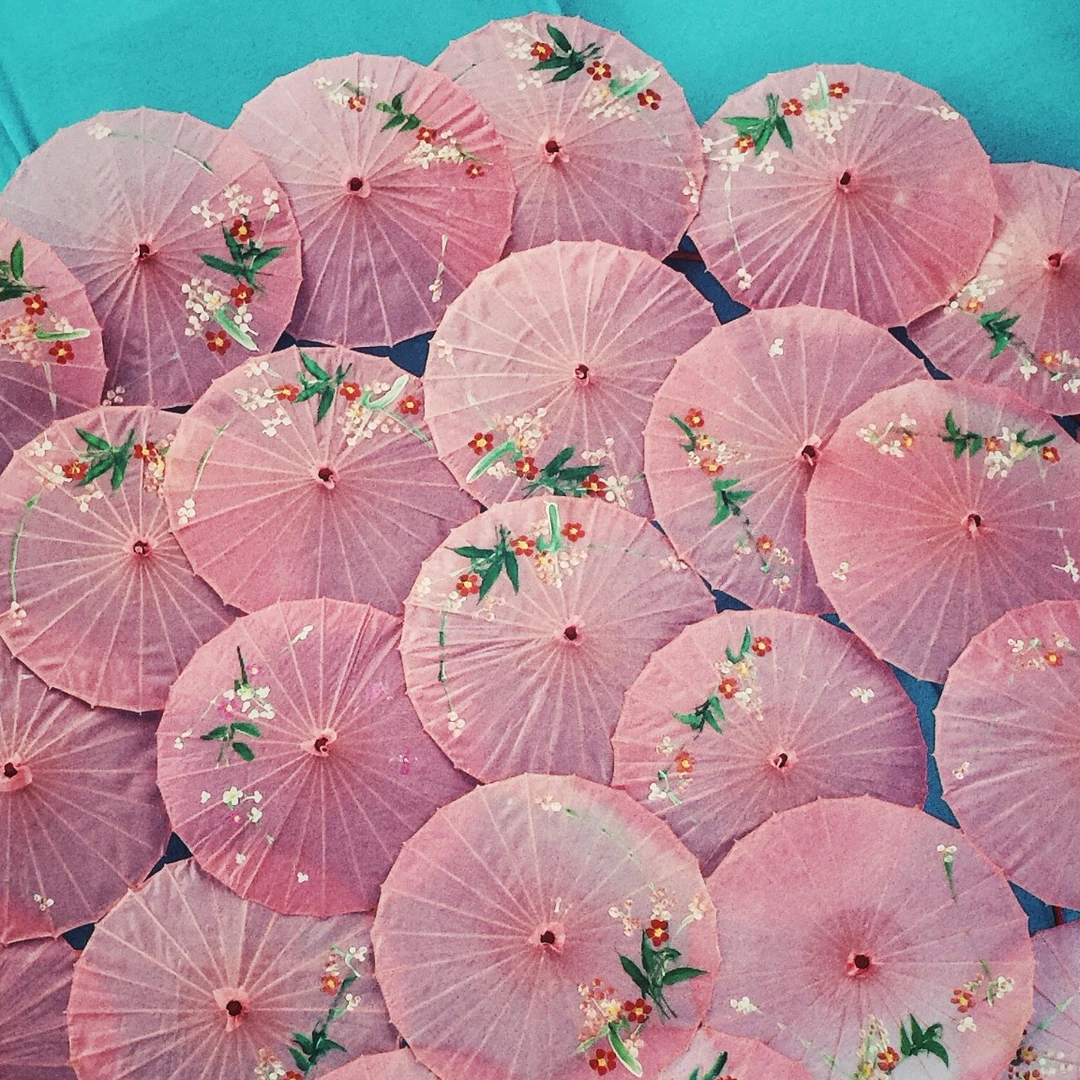
No trip to Chengdu is complete without visiting the Giant Panda Base. Home to the world's most adorable creatures, this conservation center offers a chance to see pandas up close in their natural habitat. Afterward, head to Kuanzhai Alley, a historic district featuring traditional Sichuan architecture, teahouses, and local snacks.
Long-tail keyword focus: Chengdu Giant Panda Base tickets, Kuanzhai Alley Chengdu guide, Best things to do in Chengdu
Dujiangyan Irrigation System and Mount Qingcheng: Ancient Engineering and Natural Beauty
On Day 6, I explored the Dujiangyan Irrigation System, a UNESCO World Heritage site that has been in use for over 2,000 years. This ancient engineering marvel diverted the Minjiang River to prevent floods and irrigate the Chengdu Plain. Nearby, Mount Qingcheng offers hiking trails through lush forests and Taoist temples.
Long-tail keyword focus: Dujiangyan Irrigation System history, Mount Qingcheng hiking trails, UNESCO sites in Chengdu
FAQ: Chengdu and Chongqing Travel Tips
1. What is the best time to visit Chengdu and Chongqing?
The best time to visit both cities is during spring (March to May) and autumn (September to November) when the weather is mild and pleasant. Avoid the Spring Festival (Chinese New Year) if you dislike crowds, as attractions become extremely congested.
2. How do I get from Chongqing to Chengdu?
The high-speed train is the fastest and most convenient option, taking about 1.5 hours. Buses and flights are also available, but trains offer the best balance of speed and cost.
3. What are the must-try foods in Chengdu and Chongqing?
- Chengdu: Mapo tofu, Kung Pao chicken, hot pot, dan dan noodles
- Chongqing: Chongqing hot pot (spicier than Chengdu's), Chongqing noodles, spicy chicken
4. Is it safe to travel alone in Chengdu and Chongqing?
Yes, both cities are generally safe for solo travelers. However, be cautious of pickpocketing in crowded areas like Ciqikou and Kuanzhai Alley. Use licensed taxis or ride-hailing apps like Didi.
5. How many days do I need for Chengdu and Chongqing?

A 7-day itinerary is ideal for covering major attractions in both cities. If you have less time, focus on one city—3 days in Chengdu or 3 days in Chongqing.
Internal Linking Suggestions
- [Link: How to Plan a Budget-Friendly Trip to China]
- [Link: Top 10 Sichuan Hot Pot Restaurants in Chengdu]
- [Link: A Guide to Chongqing's Nightlife and River Cruises]
- [Link: Best Time to Visit China's Major Cities]
- [Link: Exploring the Ancient Shu Civilization in Sichuan]
Conclusion: Your Bashu Cultural Feast Awaits
A Tale of Two Cities is more than just a travel story—it's an invitation to explore the heart of Bashu culture. Whether you're marveling at the Yangtze River Cableway from above, savoring the fiery flavors of Chongqing hot pot, or strolling through the ancient streets of Chengdu's Kuanzhai Alley, these twin cities offer an unforgettable cultural feast.
Ready to plan your own adventure? Start by booking your Chengdu Chongqing itinerary today. Use the tips in this guide to navigate crowds, save money, and make the most of your trip. And remember: the best travel stories are the ones you write yourself.
Call to Action: Share your own Chengdu and Chongqing travel experiences in the comments below! Have questions about planning your trip? Drop them in the comments, and we'll help you craft the perfect itinerary.
This article was originally inspired by a personal travel story from Mafengwo. All factual details have been preserved and optimized for SEO.
You may also like