A Hidden Wonder in a Hot Valley: Panzhihua's Winter Poem of Mountains and Rivers | A Complete 3.5-Day Self-Drive Record in Panzhihua, Sichuan
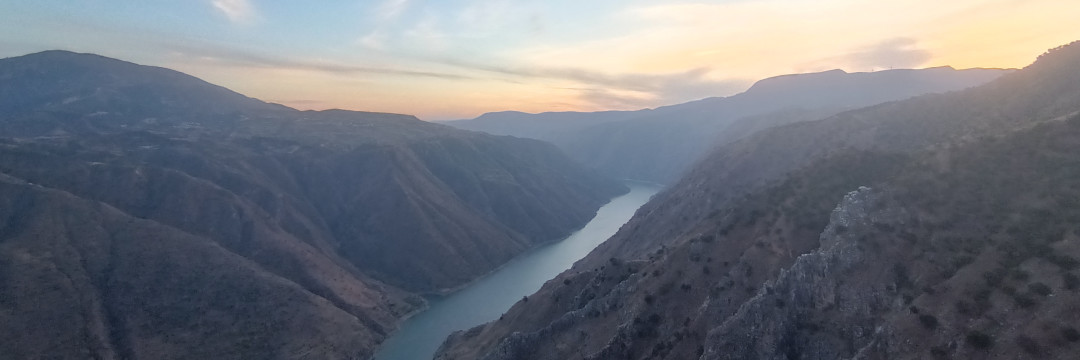
Meta Description: Escape winter's chill for 25°C sunshine in Panzhihua, Sichuan. Discover Yishala Village, Jinsha River views, and dry-hot valley wonders in this complete 3.5-day self-drive itinerary. Your ultimate Panzhihua travel guide.
Prologue: Why Panzhihua is the Ultimate Winter Escape
When the long autumn semester finally ended, I stared at the weather forecast on my phone, my mood as gloomy as the northern sky. North of the Qinling Mountains and Huai River, sub-zero temperatures and forecasts of sleet and snow came one after another, as if the entire central and northern regions were sending me a signal: "Don't come."
My wife cut through the fog with a single sentence: "Go somewhere warm."
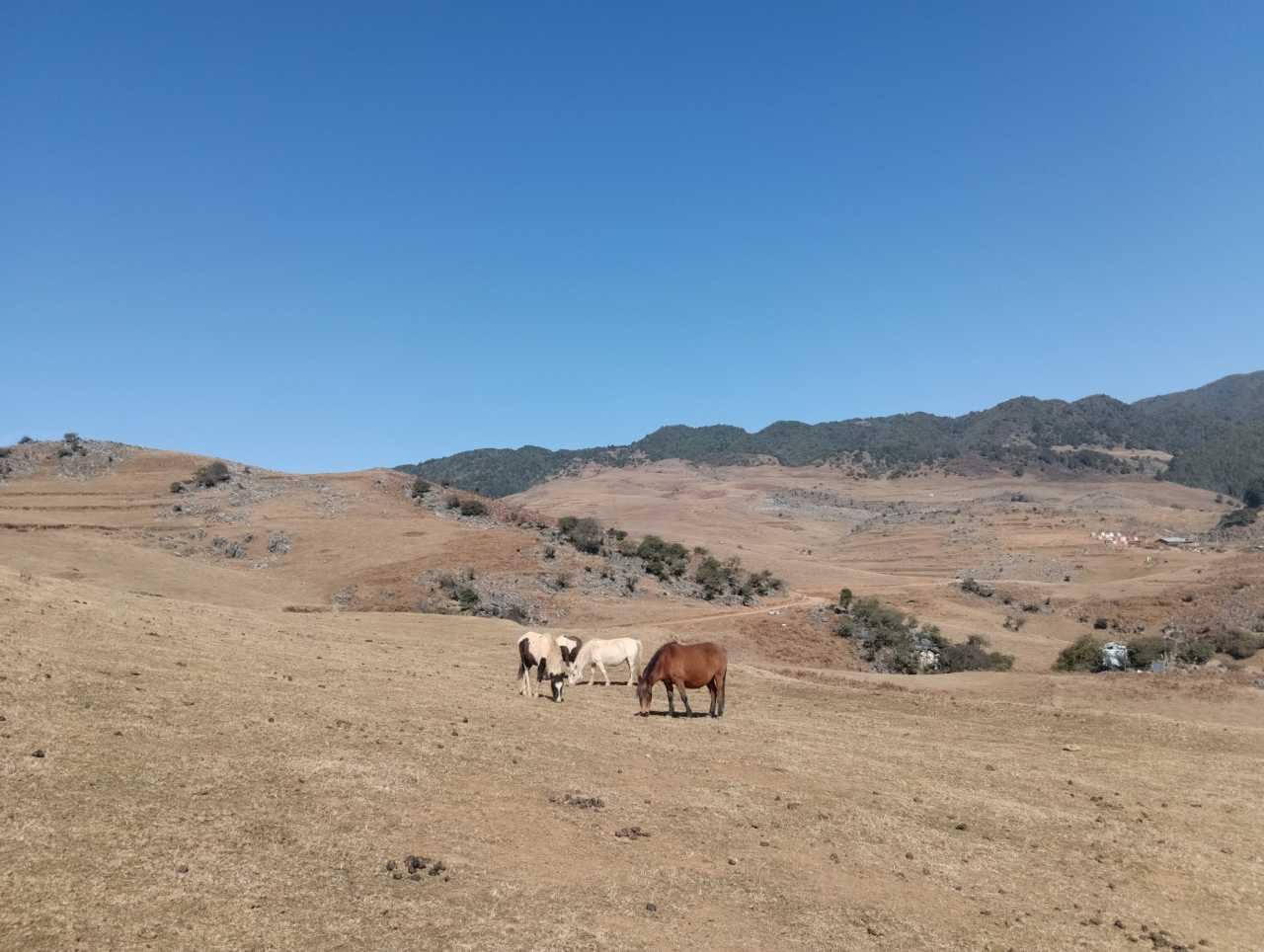
Hainan, Kunming, Dali... place names flashed through my mind, but each felt a little too familiar, lacking a spark of novelty. Then, a geographical term suddenly popped into my head: dry-hot valley. Panzhihua, nestled along the Jinsha River—the name itself felt like a beam of sunlight, instantly lighting up my plan. I checked the weather: a string of sunny days stretching over a week, with highs solidly above 25°C, even spiking to 28°C. That was it!
I'm embarrassed to admit that, despite never having set foot in Sichuan, my understanding of this land dates back to my middle school days. Back then, Chinese National Geography released a special feature titled "China's Landscape Avenue," and the scenery along National Highway 318 in Garzê Prefecture left a profound impression on me. Over a dozen trips, I'd always brushed past Sichuan. This time, I was finally going to set foot on this soil.
From home to Panzhihua, it was a one-way trip of nearly 1,600 kilometers—it had to be split into two legs. Remembering our experience in Anlong County, southwestern Guizhou, during the summer of 2024, I set the first stop there. We arrived before 8 p.m., charged the car, had a simple bowl of noodles and a plate of rice, and turned in early. A glance at the odometer: 976 kilometers—a modest new record for my longest single-day drive.
The next day, we hit the road again, with another 600 kilometers to go. Destination: Yishala Village.
Day One: First Encounters with a Red-Walled Ancient Village and the Jinsha River
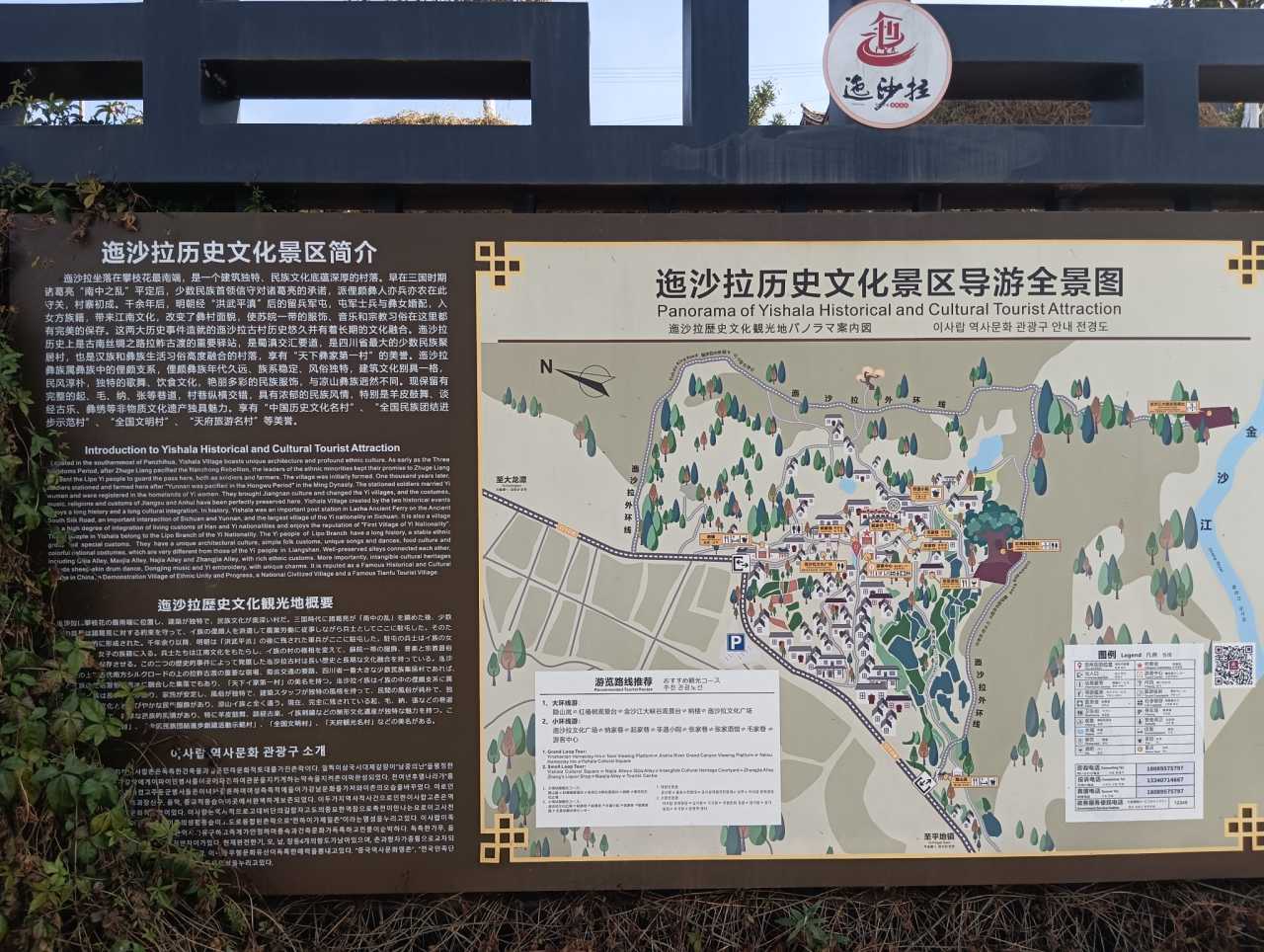
Yishala: The Premier Yi Village Under Heaven
At 4 p.m., the car pulled into the parking lot at Yishala. The moment I stepped out, I was drawn in by a vendor's call—strawberries, 8 yuan (about $1.10) per pound. Plump and sweet—this was the dry-hot valley's first gift to me. Compared to the price of equivalent-quality strawberries in Foshan, this was practically a giveaway. Later, wandering into the village, I realized even 8 yuan was too much!
Yishala Village sits along the Jinsha River, in Pingdi Town, Renhe District, at the southernmost tip of Panzhihua, right on the border between Sichuan and Yunnan. It is the largest Yi ethnic village in China. Its history can be traced back to the Three Kingdoms period—after Zhuge Liang put down the "Southern Rebellion," the local ethnic chieftain kept his promise, sending Lipo Yi people to serve as both soldiers and farmers, guarding this pass, and the village began to take shape. The true founding of the village, however, came during the Ming Dynasty's Hongwu era. After the "Pacification of Yunnan," garrison soldiers married local Yi women, bringing Jiangnan culture with them. The clothing, music, and religious customs of the Jiangsu and Anhui regions were perfectly preserved here.
Historically, Yishala was an important post station on the ancient Southern Silk Road at the Lazha Ancient Ferry, a key junction between Sichuan and Yunnan. The culture of the Yi Lipo branch here deeply intermingled with Han Chinese customs, giving rise to a unique architectural style, song and dance, cuisine, and intangible cultural heritage—sheepskin drum dances, classical music recitals, Yi embroidery... each one exudes a distinct charm.
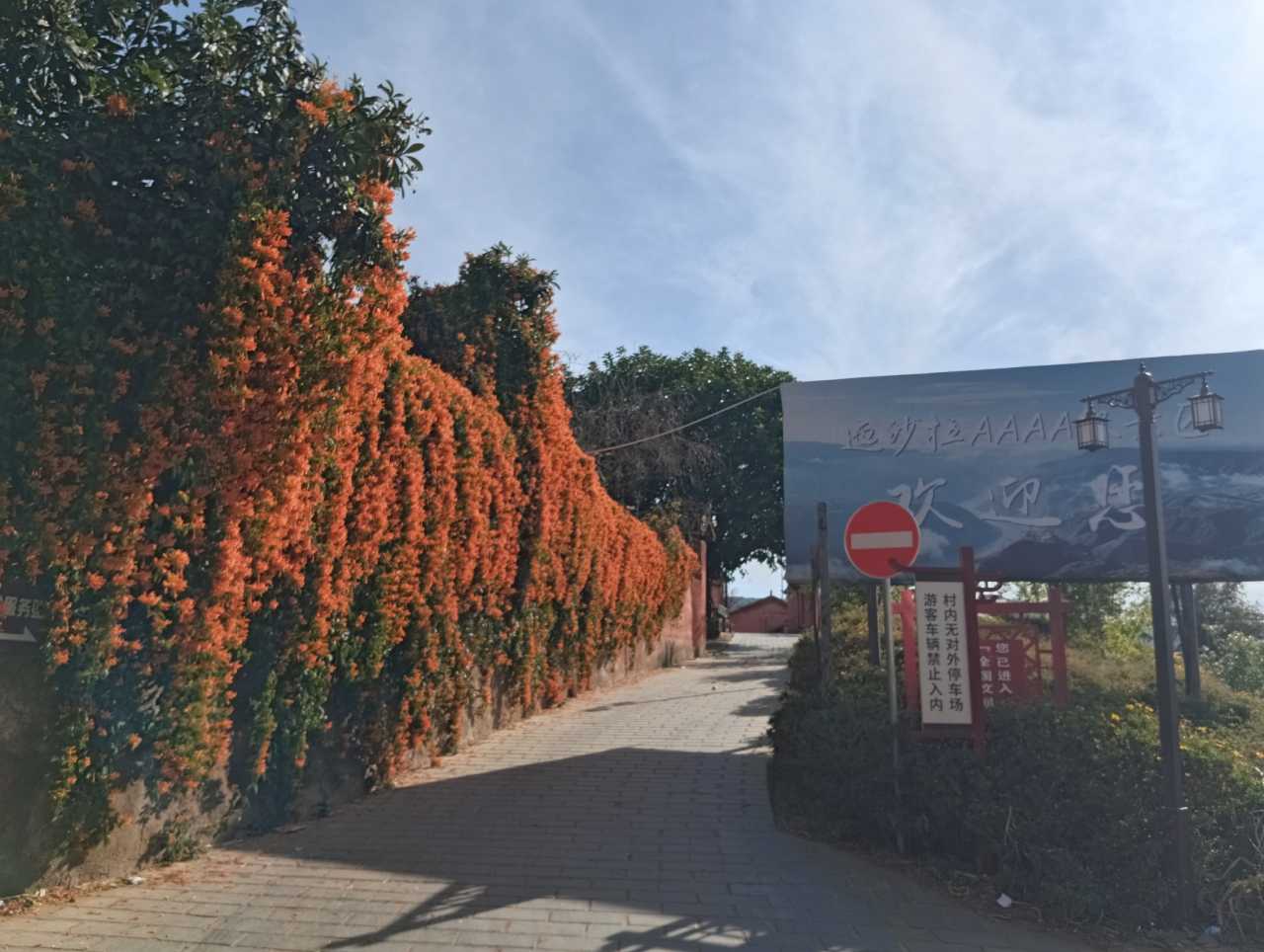
Arriving in Panzhihua, I finally believed the weather forecast wasn't lying. The sun was so fierce I couldn't see my phone screen clearly, and the photos came out completely overexposed. To my left, a sea of orange flowers cascaded down a wall—firecracker flowers (pyrostegia venusta). And that narrow path ahead? That was the main entrance to the village.
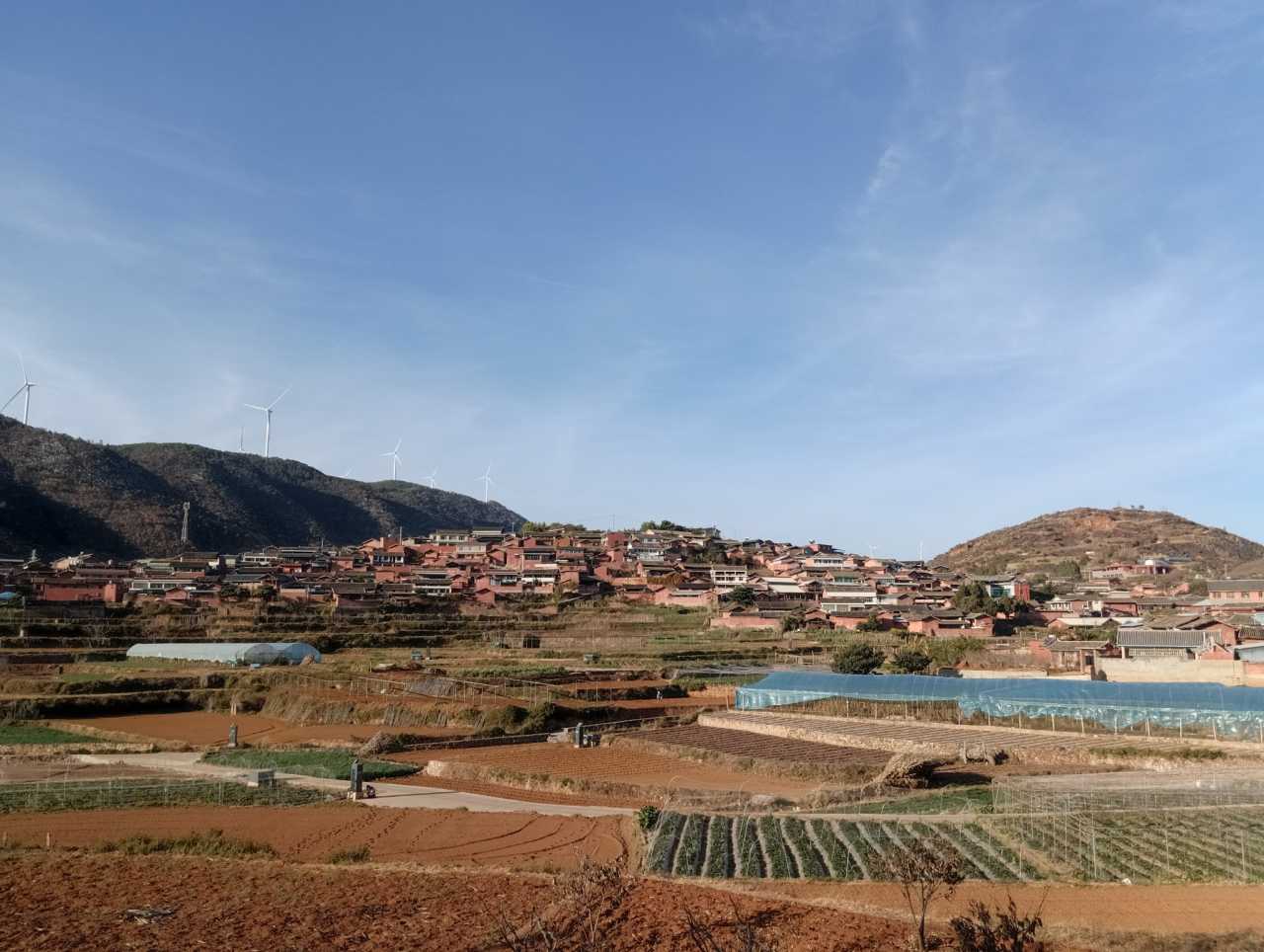
What's most striking about Yishala is the bright red exterior walls of the village houses. This isn't intentional—the soil in the Panzhihua area is rich in iron oxides, giving it a natural ochre-red hue. It's sticky, strong, and durable, making it the most readily available building material. In Yi culture, red symbolizes fire, passion, good fortune, and life—it's the core color of worship for the Lipo branch. In Han culture, red represents joy and prosperity. The two cultures blend perfectly here, creating this crimson village.
Stepping into the village, a circular square opened up before me, surrounded by shops and stalls. Beside the square stood the Yishala Village Party and Community Service Center, which also housed the village history museum. Three small exhibition rooms, yet they held so many stories.
As an ancient village, agriculture is naturally its foundation, but what truly gives it regional character is the Tea Horse Road culture. Yishala is located on the western route of the Tea Horse Road, an important post station at the Sichuan-Yunnan border. Historically, travelers taking this western route almost always spent the night here. The mule caravan culture flourished as a result. During the Ming and Qing dynasties, this area was known as "Juque's Ten Horse Posts." According to the Dayao County Annals: "The ten horse posts of Juque have been desolate since ancient times. Horses were offered annually, hence the name." Just looking at nearby place names today—Matou Village (Horse Head), Lazishao (Spicy Outpost), Dabaoshao (Great Protection Post)—it's easy to imagine the past bustle.
The exhibition hall also featured an introduction to Juque inkstones. These inkstones are produced from the cliffs on the southern bank of the Jinsha River. The stone is like jade but not jade, like rock but not rock, with rich layers and vibrant colors, earning it the title of "China's Colored Inkstone." In the late Qing and early Republic periods, it was exhibited at the Panama International Exposition, returning with honors, and is now recognized as one of China's top ten famous inkstones.
Leaving the village museum, I continued exploring. The sun was still relentless; I couldn't see the screen while taking photos. Passing the village hall, I saw a couplet on either side: "The winding Jinsha River flows for a thousand miles / The thousand-year-old ancient village of Yishala." Bronze statues along the roadside depicted scenes of daily village life.
Winding through the alleys, I reached a higher point in the village, and the view opened up dramatically. Layer upon layer of red roofs followed the contours of the hills. On the distant ridge, towering wind turbines turned slowly—tradition and technology coexisting harmoniously. One household had its door wide open, revealing a common Han Chinese courtyard layout—three sides enclosing a central space, forming a U-shape. While it didn't strongly show ethnic minority features, that itself was a testament to the fusion of cultures.
I continued wandering and eventually found myself outside the village, in the fields. There was a viewing platform in the distance, but the detour was too long. I tried cutting across the fields but ultimately gave up. Still, looking back at Yishala, I had a different perspective. For my first stop in Panzhihua, even a quick, cursory visit took an hour and a half. Beautiful scenery, distinctive architecture, fantastic weather, delicious strawberries—a perfect start.
Jinsha River Grand Canyon Viewing Platform: The Awe of the Dry-Hot Valley
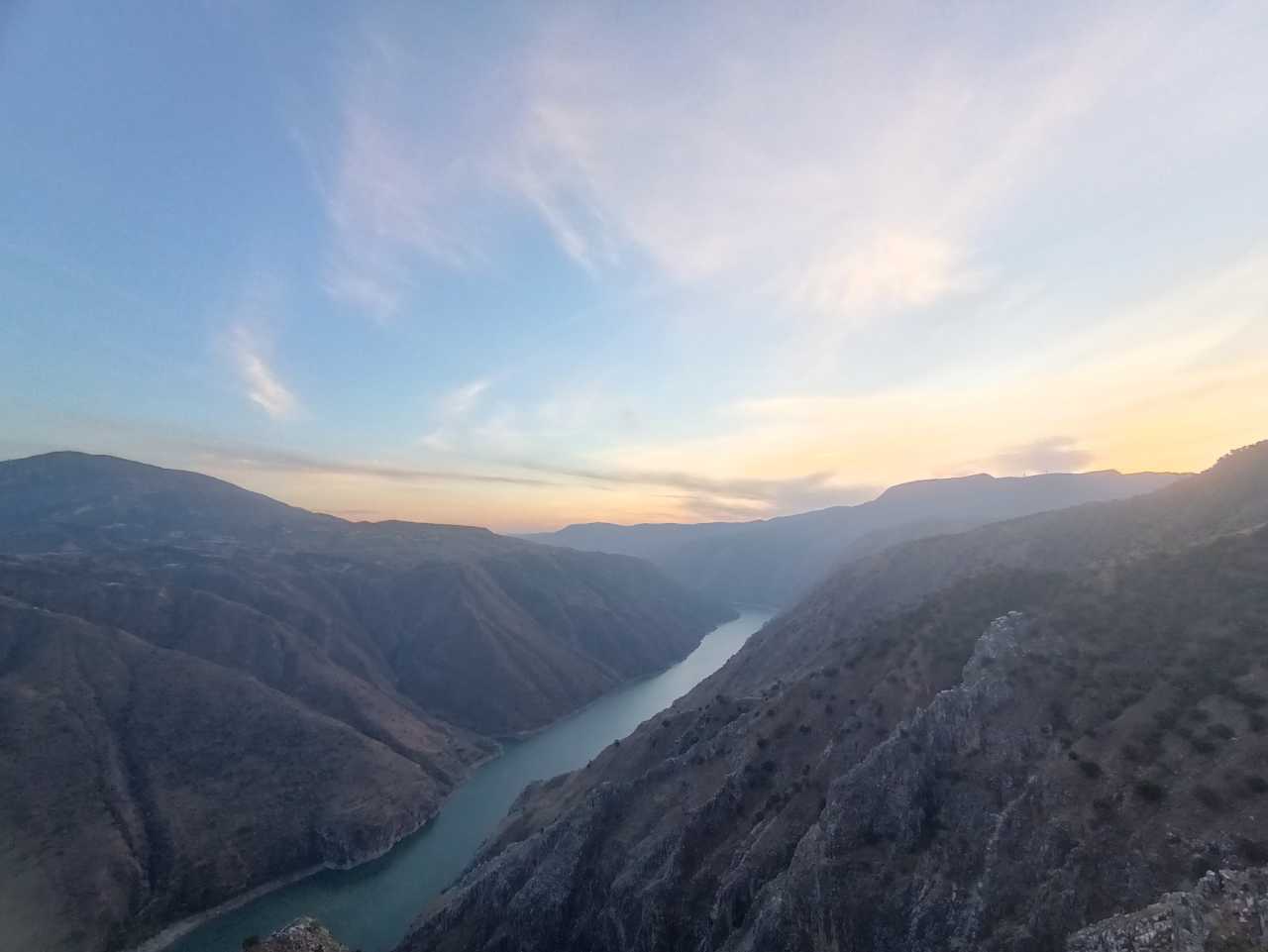
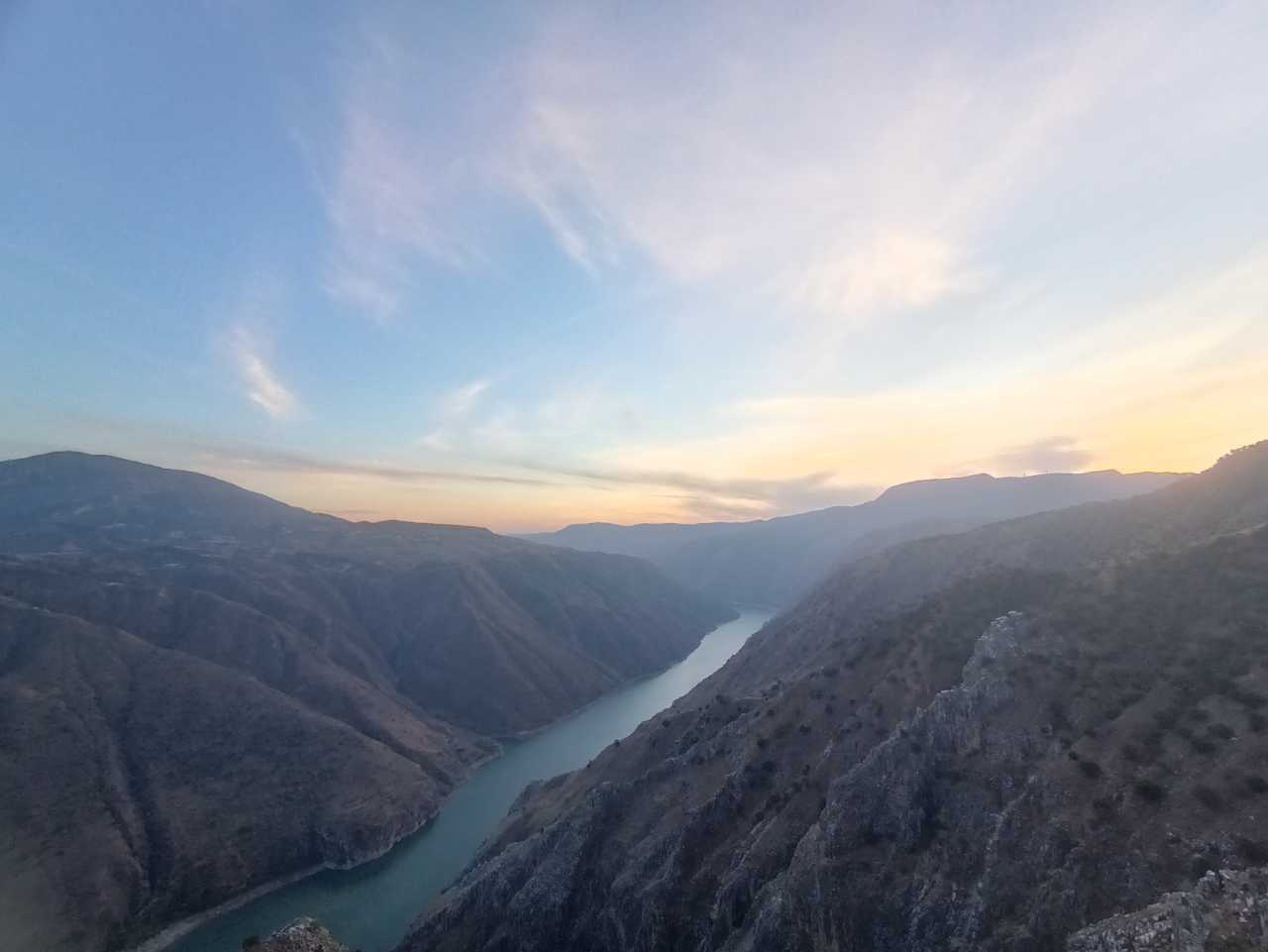
Amap showed the Jinsha River viewing platform right next to Yishala, but when I asked for directions, I was told it was at least an hour's walk. Time to drive! I navigated to the main road but was redirected by a construction barrier. After a short detour, I found the platform—a simple roadside pull-off with a panoramic view that stopped me in my tracks.
The Jinsha River, swollen by the dry-hot valley's unique climate, cut through the mountains like a golden ribbon. The canyon walls were steep and layered, showing millions of years of geological history. The river's roar echoed up the cliffs, a constant reminder of nature's power. This is the quintessential dry-hot valley landscape—arid, dramatic, and deeply beautiful.
I spent nearly an hour here, just watching the light shift across the canyon. The sun, now lower in the sky, cast long shadows and painted the cliffs in shades of amber and ochre. It was a moment of pure, unadulterated awe.
[Link: Other dry-hot valley destinations in Sichuan]
Day Two: Deeper into the Valley
Morning: Exploring the Panzhihua Tropical Botanical Garden
After a restful night in a local guesthouse, I set out early for the Panzhihua Tropical Botanical Garden. This is one of the few botanical gardens in China dedicated to tropical and subtropical plants, thanks to the region's unique microclimate. The garden is a living museum of dry-hot valley flora, with species from around the world.
Walking through the cactus greenhouse, I felt like I'd stepped into the American Southwest. Saguaro-like cacti towered overhead, while smaller succulents carpeted the ground. The air was dry and warm, carrying the faint scent of earth and sun-baked stone.
The highlight was the "Fruit Tree Corridor," where mangoes, lychees, and dragon fruit grew in abundance. In winter, the dragon fruit was in full bloom—huge, fragrant white flowers that open only at night. It was a reminder that even in the depths of winter, life here is vibrant and active.
[Link: Best botanical gardens in Sichuan]
Afternoon: The Jinsha River Rafting Experience
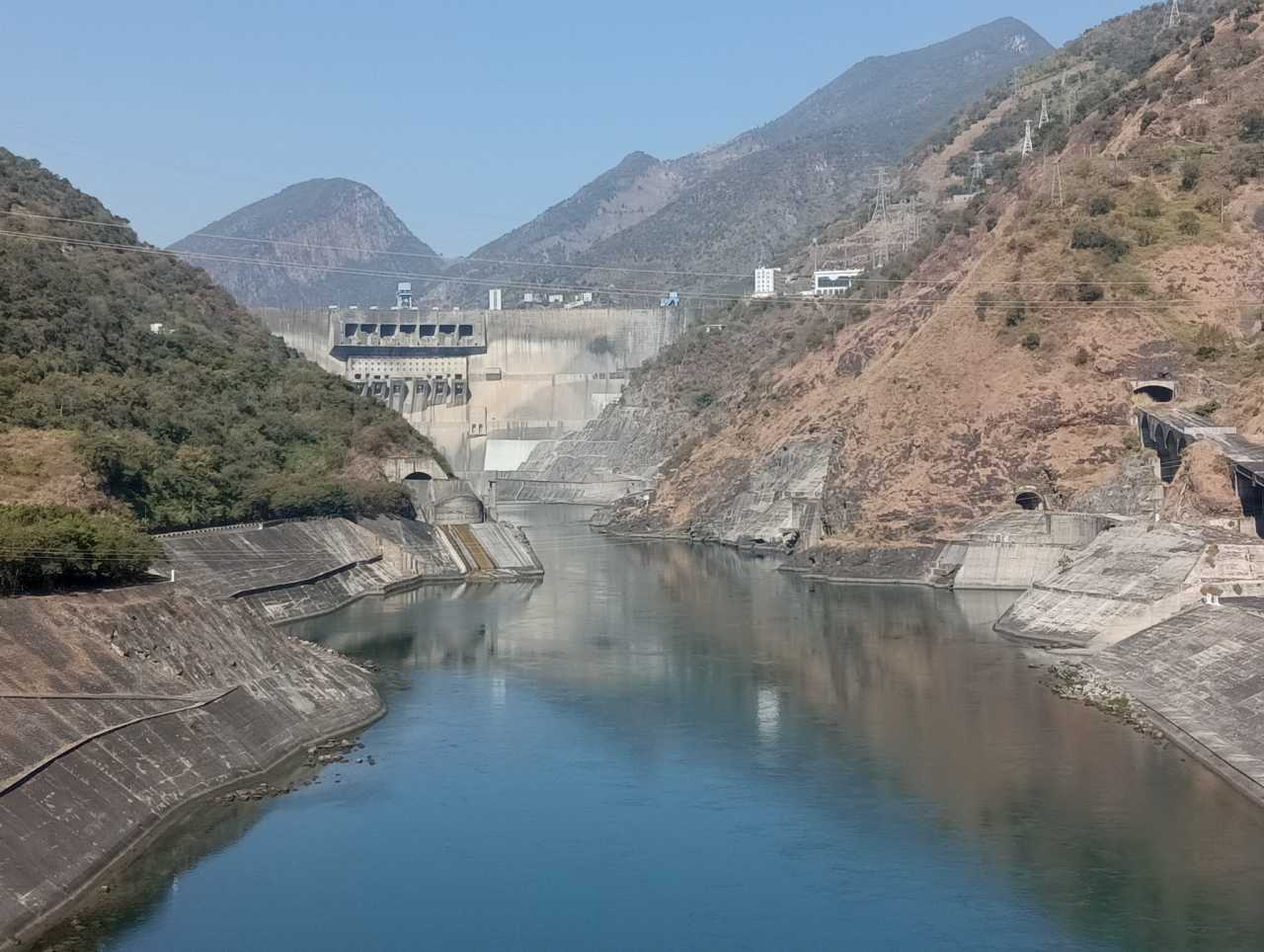
By afternoon, the temperature had climbed to 28°C. I headed to the Jinsha River rafting launch point, just outside Panzhihua city. The rafting experience here is unique—instead of whitewater rapids, the river flows wide and slow through the canyon. The raft drifted lazily, allowing me to soak in the scenery from a completely new angle.
The canyon walls rose hundreds of meters on either side, their red and yellow strata clearly visible. Eagles circled overhead, and the occasional kingfisher darted across the water. The guide pointed out ancient petroglyphs on the cliffs—evidence of human habitation stretching back thousands of years.
The rafting trip lasted about two hours, ending at a small beach where I could wade in the cool water. It was the perfect way to experience the Jinsha River Grand Canyon without the crowds.
Day Three: Cultural Immersion and Culinary Delights

Morning: The Yi Embroidery Workshop
Back in Yishala, I visited a local Yi embroidery workshop. The Lipo Yi women here are renowned for their intricate needlework, using bright colors and geometric patterns that have been passed down for generations. The workshop was a small, sunlit room filled with half-finished pieces—bags, clothing, wall hangings.
The master embroiderer, a woman in her 60s, showed me how to create a simple pattern. Her hands moved with practiced precision, each stitch a tiny act of preservation. I bought a small pouch as a souvenir—a tangible piece of Yishala's living heritage.
[Link: Yi ethnic culture and crafts]
Afternoon: Panzhihua's Local Cuisine
No trip to Panzhihua is complete without sampling its unique cuisine. The dry-hot valley's climate produces intensely flavored ingredients. I found a small restaurant in Renhe District that specialized in Panzhihua lamb soup—a clear broth simmered for hours with local herbs and spices. The meat was tender, the broth warming, and the accompanying chili dip added a fiery kick.
Another local specialty is Jinsha River fish, usually steamed or fried with pickled vegetables. The fish was fresh and flaky, the pickles adding a tangy contrast. For dessert, I had a bowl of mango sticky rice—a nod to the region's tropical influences.
Day Four: Farewell to the Valley
Morning: Sunrise at the Jinsha River Viewing Platform
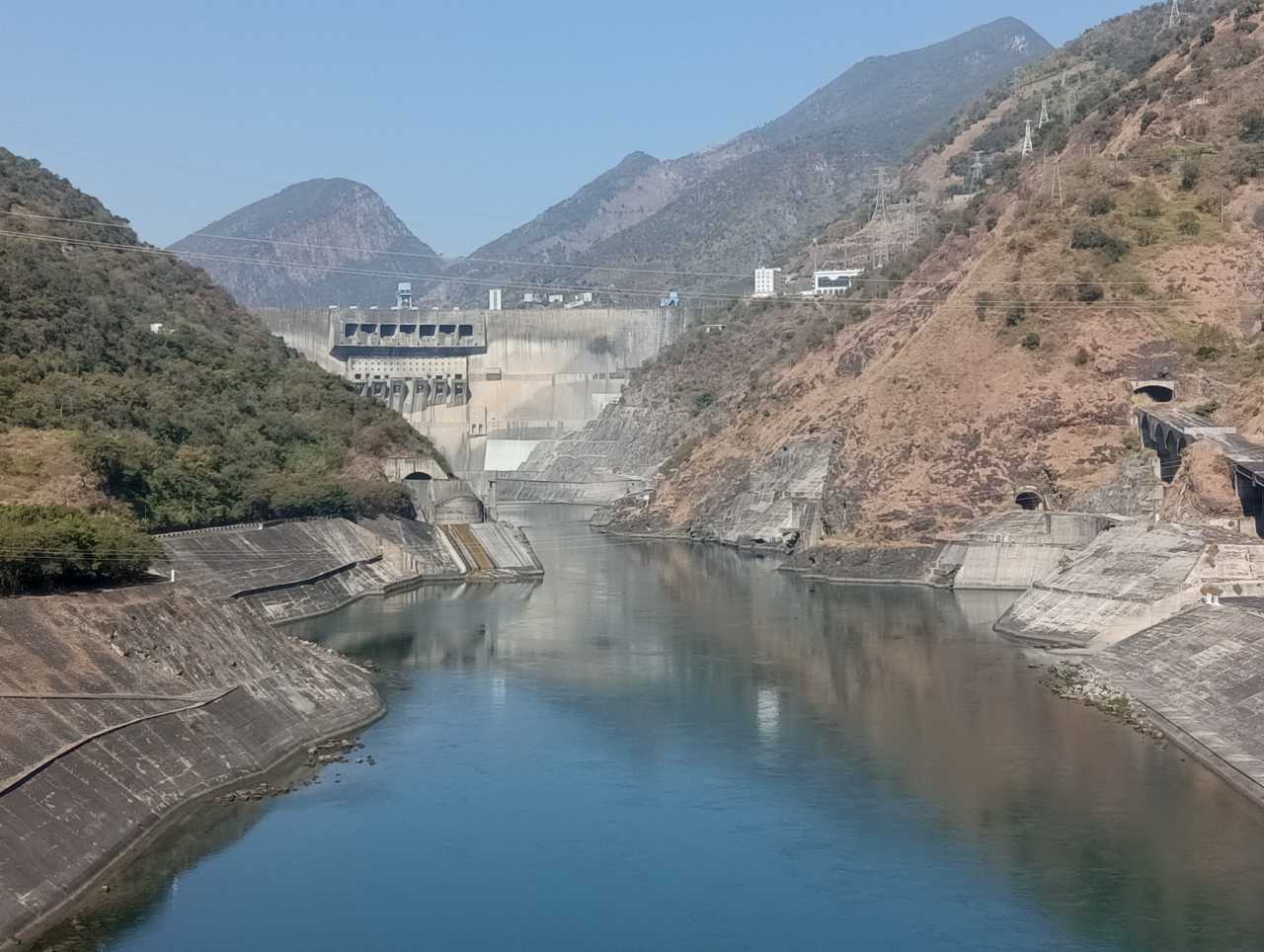
On my final morning, I woke before dawn and drove back to the Jinsha River viewing platform. The sky was a gradient of indigo to peach, and the river below was shrouded in mist. As the sun crested the eastern cliffs, the canyon came alive—the red walls glowing, the river flashing gold.
It was a fitting end to my Panzhihua self-drive adventure. In just 3.5 days, I had explored an ancient Yi village, marveled at a grand canyon, rafted a mighty river, and tasted flavors unique to this corner of Sichuan. The dry-hot valley had delivered on its promise of warmth, beauty, and discovery.
FAQ: Planning Your Panzhihua Self-Drive Trip
1. What is the best time to visit Panzhihua for winter sun?
 The best time is from November to February, when northern China is freezing but Panzhihua enjoys 20–28°C daytime temperatures. Sunny days are the norm, with very little rain.
2. How long does it take to drive to Panzhihua from major cities?
 From Chengdu, it's about 6–7 hours (600 km). From Kunming, about 3–4 hours (300 km). From Chongqing, about 8–9 hours (800 km). Plan for a stop if driving from farther north.
3. Is Yishala Village free to enter?
Yes, Yishala Village is open to the public without an entrance fee. Parking is available nearby. Some attractions within the village, like the history museum, are also free.
4. What should I pack for a winter trip to Panzhihua?
 Pack light clothing (t-shirts, shorts) for daytime, but bring a jacket or sweater for evenings, as temperatures can drop to 10–15°C. Sunscreen, sunglasses, and a hat are essential—the sun is strong even in winter.
5. Can I visit Panzhihua without a car?
While public buses connect major attractions, a self-drive is highly recommended for flexibility. The best viewpoints and villages are spread out, and having a car allows you to explore at your own pace.
Conclusion: Your Winter Escape Awaits
Panzhihua is more than just a warm weather destination—it's a journey into a unique landscape where culture, history, and nature converge. From the crimson walls of Yishala to the roaring Jinsha River, every moment here is a discovery.
If you're tired of winter's chill and craving sunshine, adventure, and authentic experiences, pack your bags and hit the road. The dry-hot valley is waiting to welcome you.
Plan your Panzhihua self-drive trip today—and discover a hidden wonder in the heart of Sichuan.
[Link: Panzhihua travel packages and car rentals] [Link: More Sichuan self-drive itineraries]
You may also like


