A Hectic August: My Unconventional Encounter with Chengdu's Charm – An SEO-Optimized Travel Guide
Meta Description: Discover Chengdu beyond pandas and hotpot. Join an unconventional travel reunion in August, exploring People's Park tea culture, Kuanzhai Alley, Wenshu Monastery, and more. Your ultimate Chengdu travel guide.
Introduction: When Chengdu Becomes a Meeting Point for Strangers
August in Chengdu is hot—hot like a bubbling pot of Sichuan hotpot, the air thick with the scent of Sichuan pepper and sweat. Most people come here for pandas, hotpot, and a stroll through Kuanzhai Alley—and I did all of those things. But my trip to Chengdu had a slightly different flavor.

The story didn't start with a plane ticket. It started with a WeChat group.
We were a bunch of strangers who met on Mafengwo, a travel platform, and we spent our days "traveling the world" together in our group chat—talking about photography, travel, and the poetry hidden in the cracks of everyday life. Then someone suggested, "Since we get along so well, why not meet in person?" And so, in August, Chengdu became the venue for our offline reunion of "internet friends."
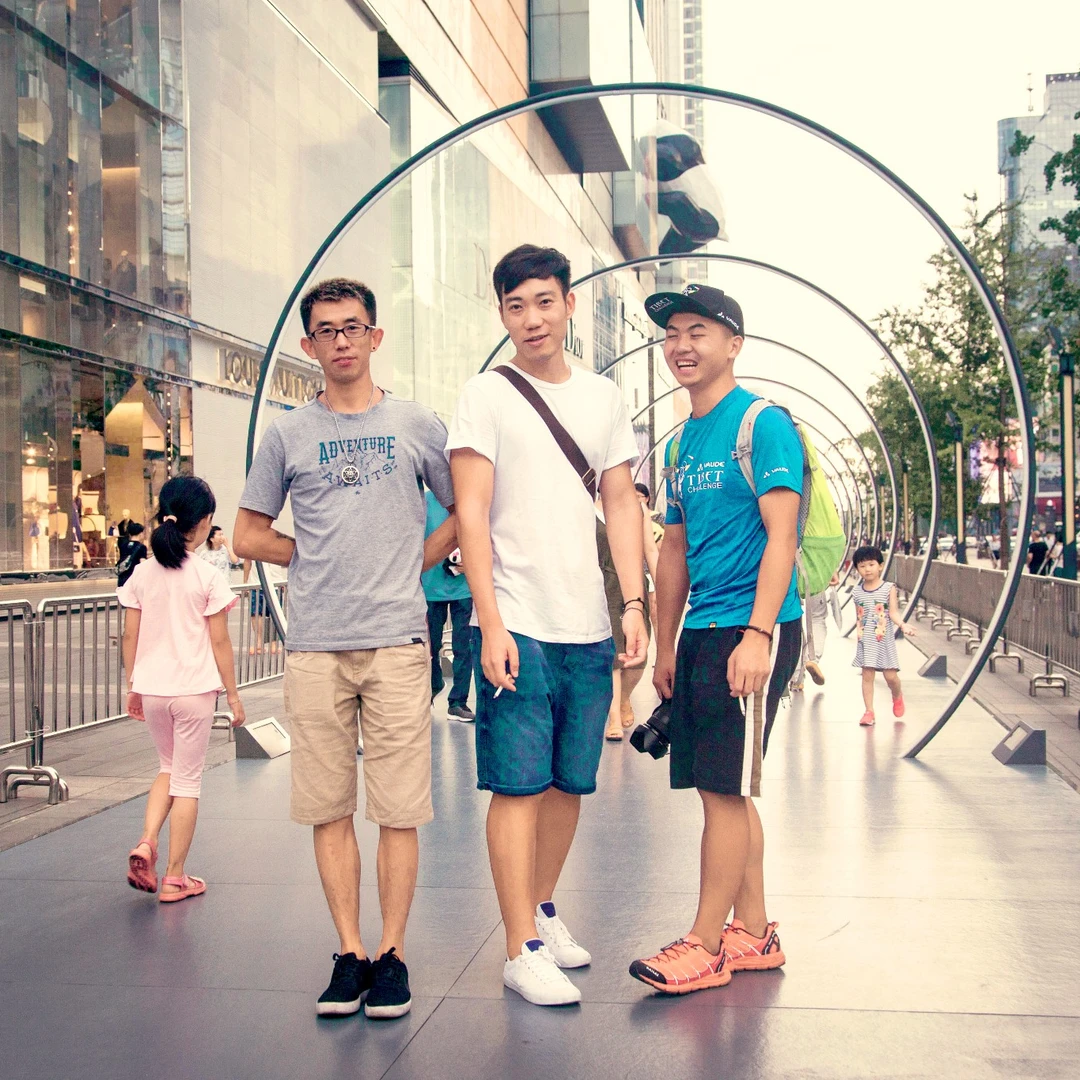
There was Bing Xiaojian from Beijing, Chen Fulai (Frank) from Suining, Wu Zi from Hunan, and me—a wanderer flying in from afar. The four of us kicked off our Chengdu adventure with plenty of noise and laughter. Frank, a self-proclaimed Chengdu expert who claims to "visit Chengdu twice a year, like shopping at HLA," naturally became our guide—though his terrible sense of direction would later become our biggest running joke.
H2: People's Park Chengdu – Where Tea Culture Meets Local Life
I arrived a day earlier than the others, so the next morning, I wandered over to People's Park on my own.
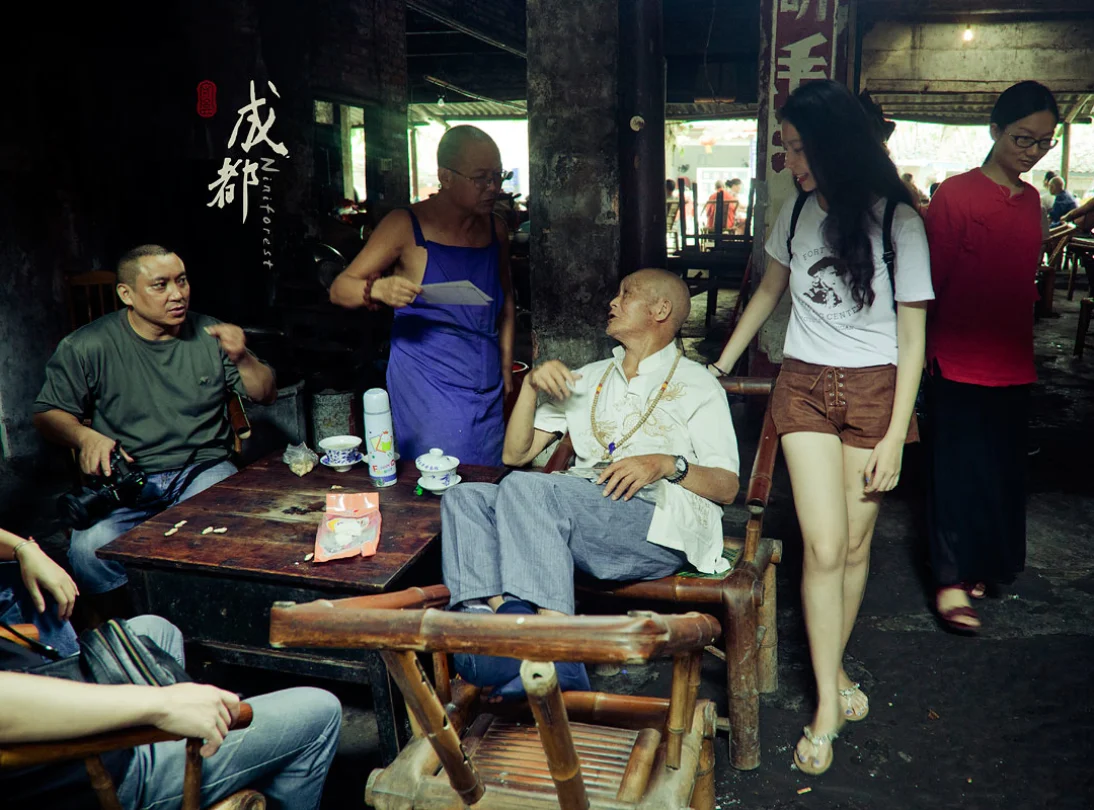
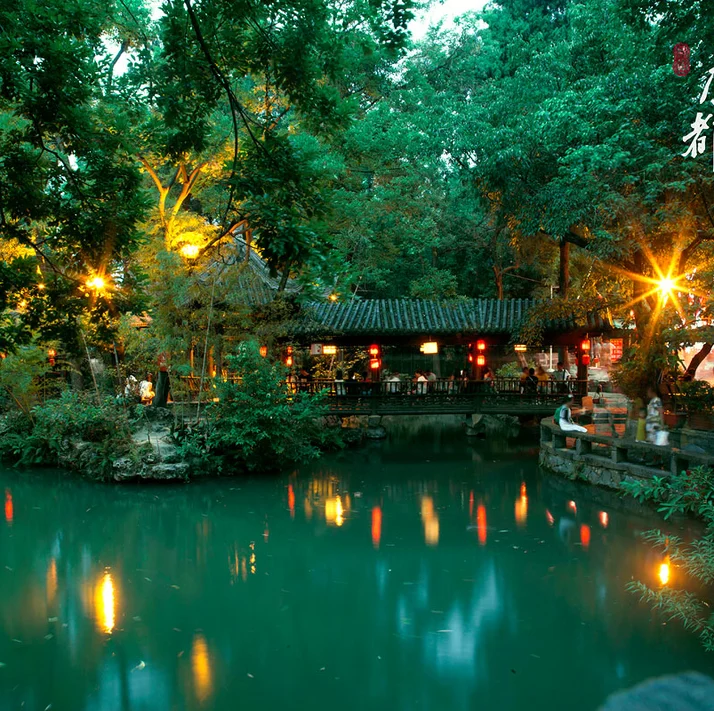
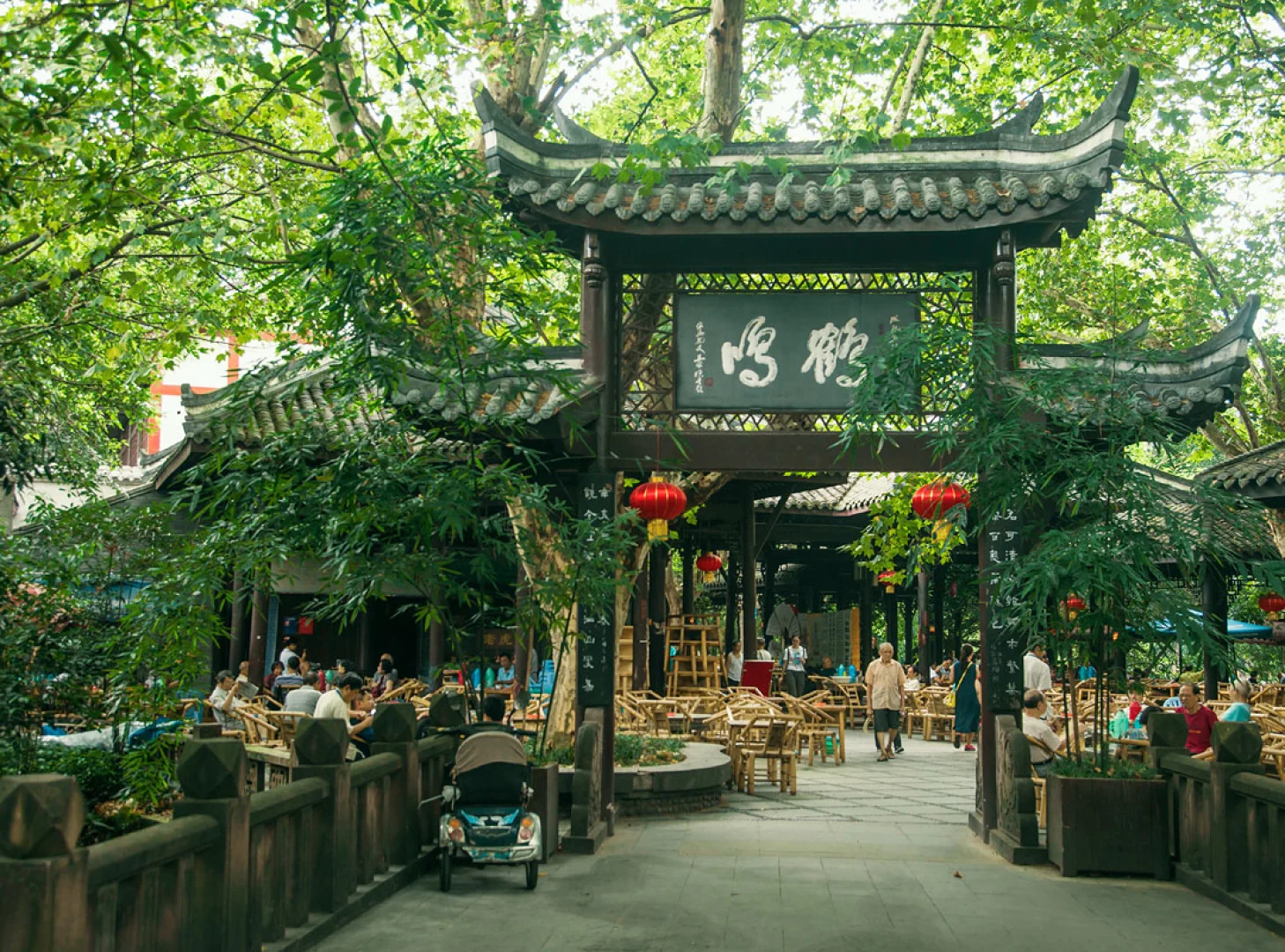
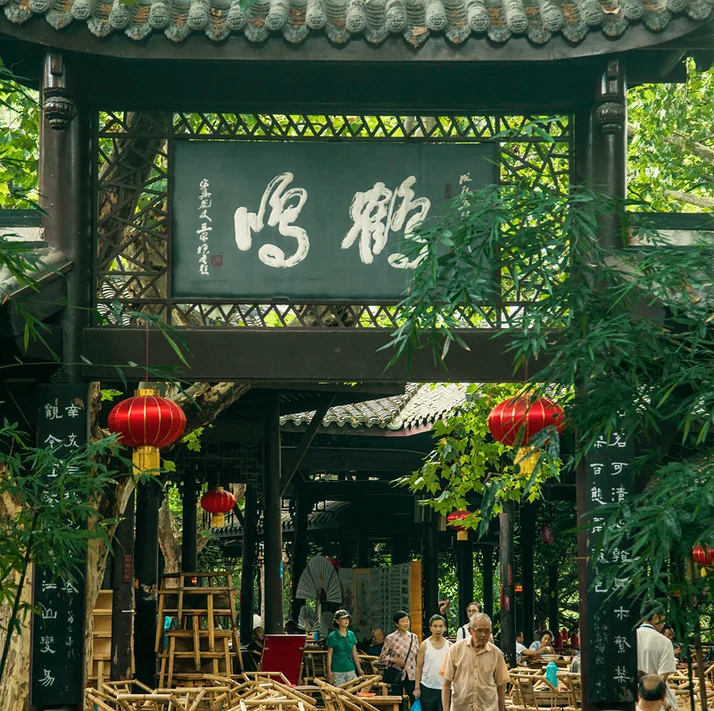
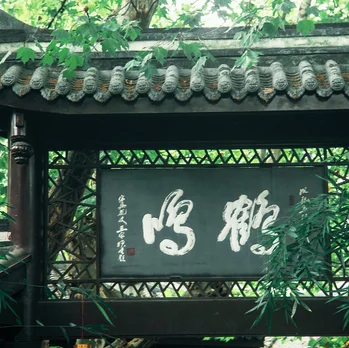
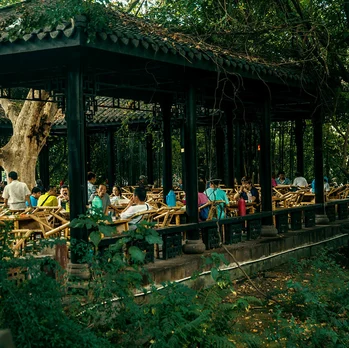
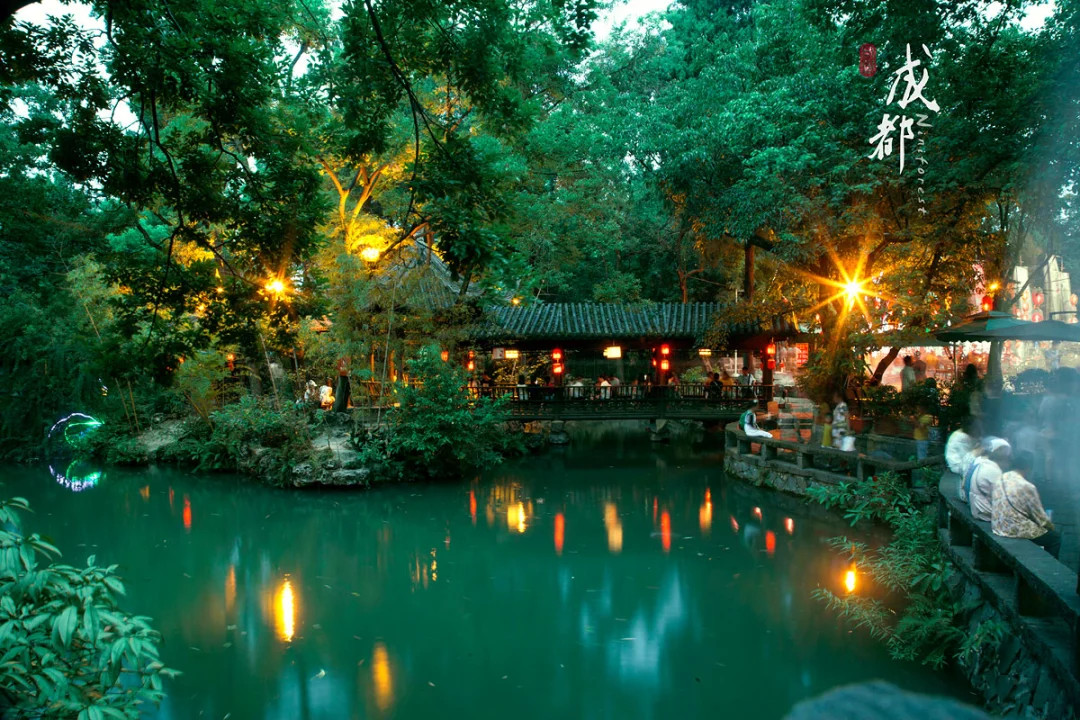
Chengdu's laid-back vibe runs deep. Tea fragrance wafts through every alley and street, as if every local has tea flowing through their veins. Heming Teahouse (Crane-Calling Teahouse) sits at the heart of the park, its name inspired by the ancient verse "The crane calls from the deep marsh"—an image of serene elegance. I found a bamboo chair, ordered a cup of 竹叶青 (bamboo-leaf green tea) , and watched the elderly play mahjong and chat away. My mind suddenly grew quiet.
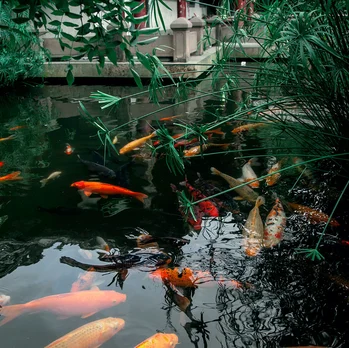
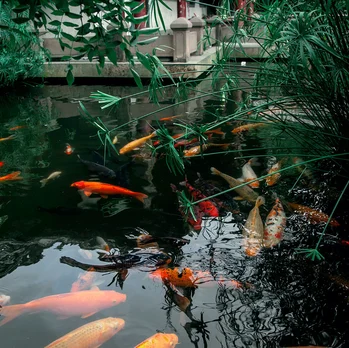
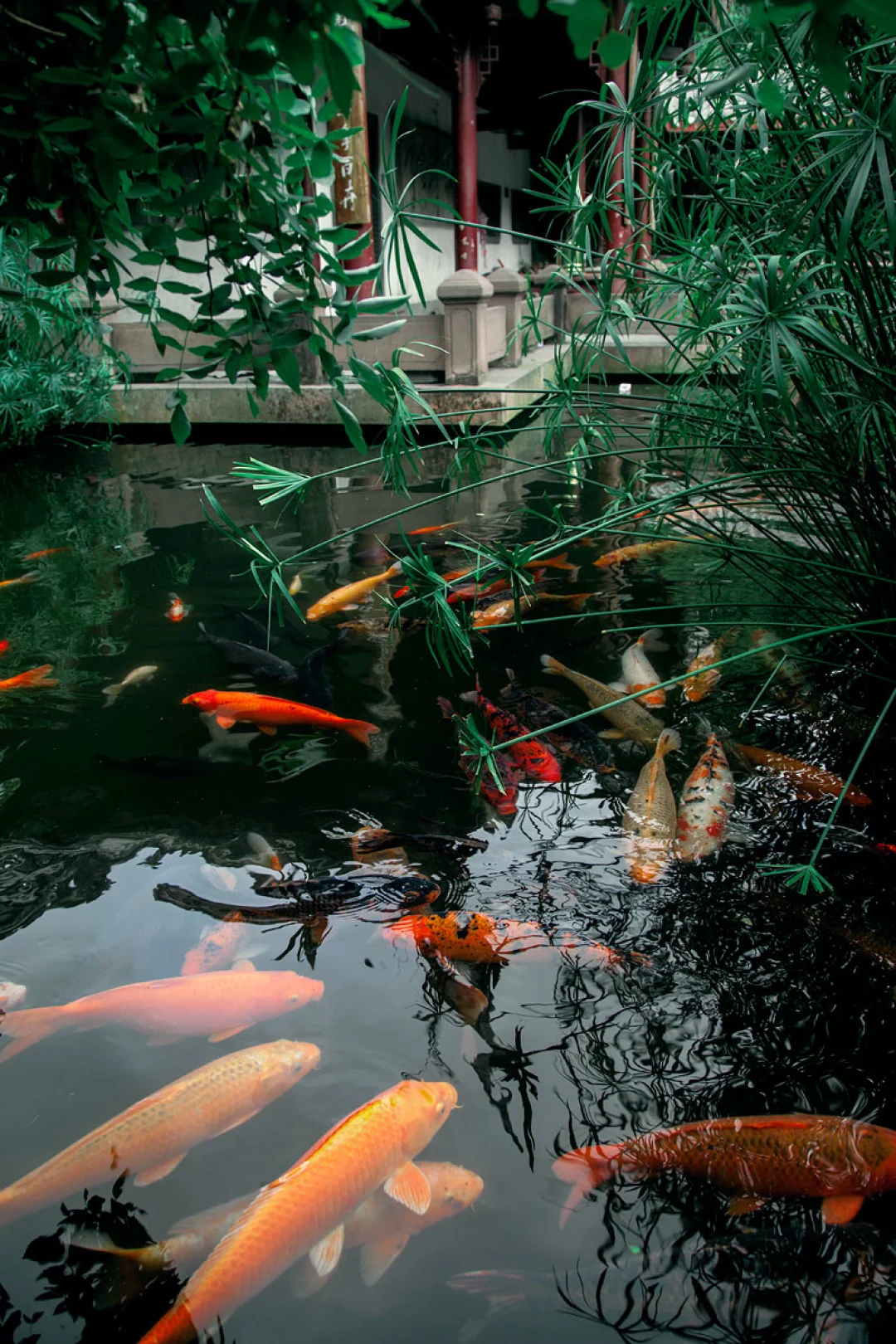
Behind the park, there's a pond full of koi fish—so plump they're practically immortal, their red-and-white scales glinting in the sunlight. Nearby was one of Chengdu's signature experiences: ear cleaning. The craftsmen wielded an array of tools, clinking and clanking. It looked fascinating to outsiders, but I didn't dare try it—my ears just felt too ticklish.
Waiting for Frank and Wu Zi, I sipped my tea and thought: This is the rhythm of Chengdu. Elegant yet ordinary, poetic without being pretentious.
Pro Tip: Visit People's Park early in the morning to avoid crowds and enjoy the authentic Chengdu tea house experience. [Link: Best Tea Houses in Chengdu]
H2: Kuanzhai Alley Guide – Navigating the Crowds in Chengdu's Historic District
After we met up, Frank led the way to lunch. I have to say, for someone with no sense of direction, finding the restaurant was nothing short of a miracle.
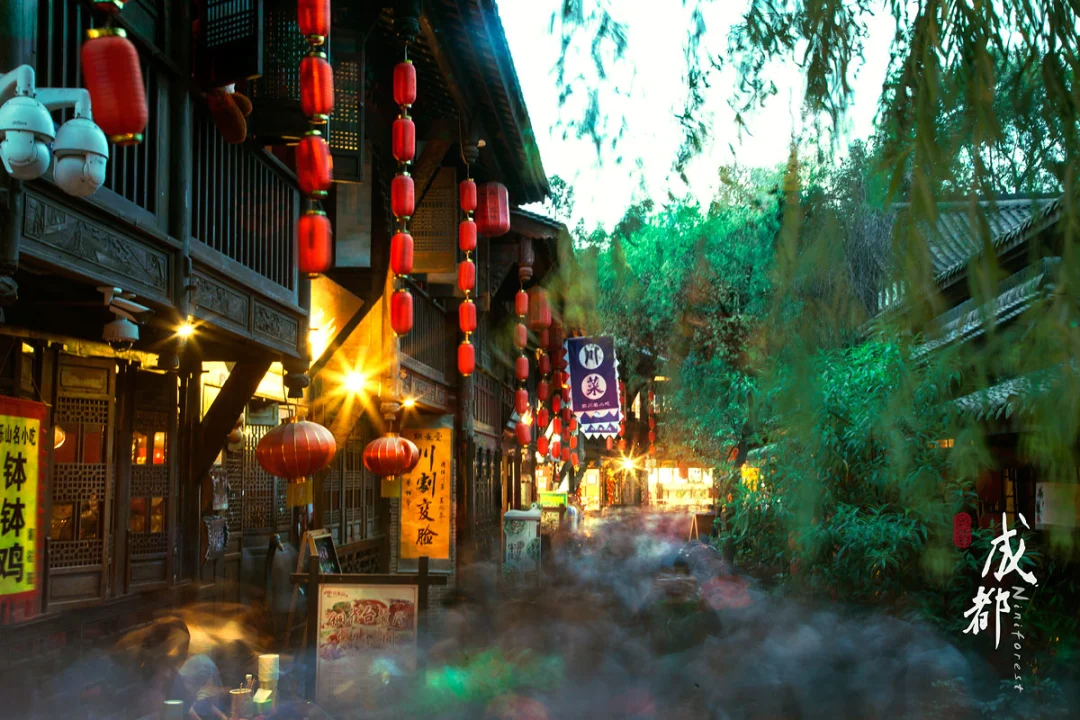
Kuanzhai Alley (Wide and Narrow Alley) consists of three parallel lanes—Wide Alley, Narrow Alley, and Well Alley—lined with gray-brick, black-tiled, faux-classical courtyard houses that date back to the Qing Dynasty. The problem? It's wildly popular. Zhao Lei's song "Chengdu" turned the city into an internet sensation, and Kuanzhai Alley is packed with tourists. We were swept along by the crowd, barely able to get a clear view of the alley's full layout.
But the details still held surprises. The manhole covers were painted with face-changing opera masks. A sugar-painting stall drew a crowd of children, the malt syrup so sweet it was almost cloying—but it stirred up childhood memories. Outside a Sichuan opera house stood a guy who looked like Kris Wu (the Chinese-Canadian pop star). We secretly snapped a few photos.
What excited me most was the Panda Post Office. The place was filled with panda-themed souvenirs—I couldn't tear myself away. I bought a few postcards and sent them to friends far away, writing: "I'm in Chengdu, and I miss you."
Frank took us to eat 钵钵鸡 (bobo chicken—skewered cold chicken in chili oil) . I usually don't like cold dishes, but this was incredible—the red oil coated with sesame seeds, spicy and deeply flavorful. I wanted to lick the skewers clean. The 凉糕 (cold rice cake) was also a hit—soft, sweet, and the perfect antidote to the heat.
Insider Tip: Visit Kuanzhai Alley on weekdays or early morning to avoid peak crowds. Don't miss the Sichuan opera face-changing performance nearby. [Link: Top Sichuan Opera Shows in Chengdu]
H2: Wenshu Monastery Chengdu – A Zen Escape from the Chaos
Wenshu Monastery was Frank's Waterloo. Our directionally challenged guide led us in circles around the temple complex three or four times before we finally found the entrance. I couldn't help laughing: "Our guide has outdone himself again!"
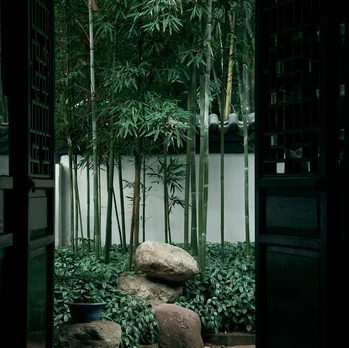
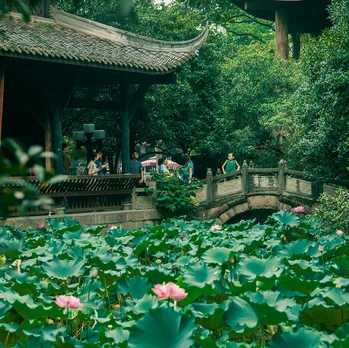
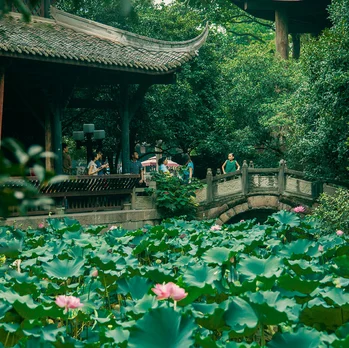
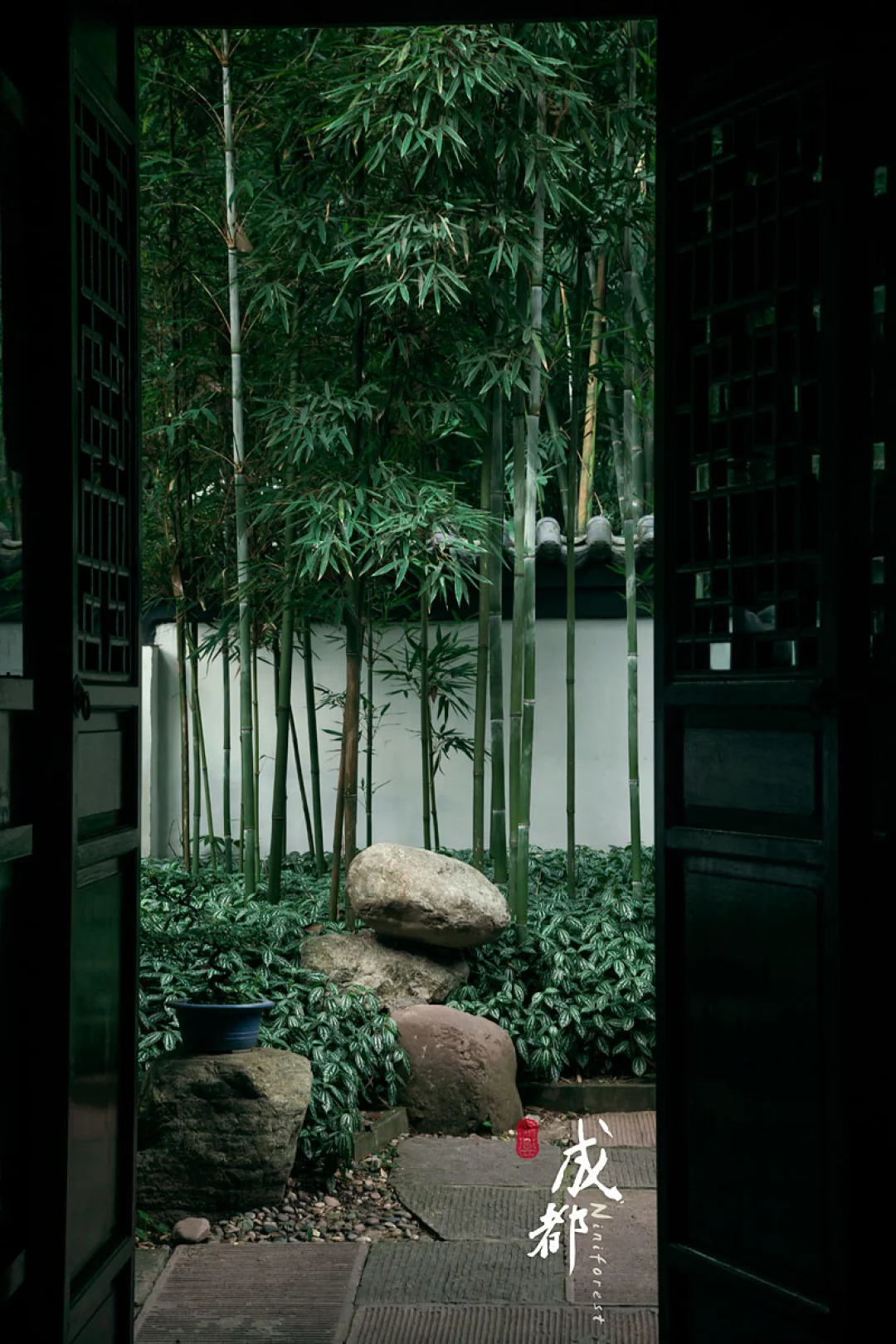
Built during the Sui Dynasty, Wenshu Monastery is the foremost of the four great Chan (Zen) monasteries along the Yangtze River. It's free to enter, and there aren't many visitors—a rare moment of peace. The temple grounds are vast, with halls dedicated to various Buddhas, though some were under renovation. Standing among the red walls and green bamboo, a line of poetry came to mind: "Flowers never end, willows never fade." That was the feeling.
Visitor Note: Wenshu Monastery offers free entry and is less crowded than other attractions. Perfect for meditation and photography. [Link: Free Attractions in Chengdu]
H2: Chengdu Nightlife – Where There's Wine, There's a Story
In the afternoon, Frank and Bingbing invited a group of friends over—all people they'd met on Mafengwo. There was Gua Ge and Mian Mian, who'd traveled from Chongqing; Xiao Mei and Xiao Tu, who run a homestay in Chengdu; and Bingbing, a professional portrait photographer who'd once shot photos for Lu Han (the Chinese pop idol).
We sat down at a restaurant, and the draft beer arrived, its aroma filling the air. Unfortunately, I'm a lightweight—one drink and I'm done—so I could only watch as everyone else enjoyed themselves. But that was fine. Good food and good stories can intoxicate you just as much.
We talked about funny moments from our travels, photography techniques, and the emotions hidden behind the lens. It felt like we had endless things to say, endless stories to tell. Bingbing said, "Nothing makes me happier than coming to a strange place and having so many friends show up as promised." I couldn't agree more.
Later, we ended up at a KTV. Zhao Lei's "Chengdu" was a must-sing. Someone sang it with such emotion that their eyes sparkled. "Parting always comes in September," the lyrics go—but we met in August, and we parted in August too. "Let's laugh together through a thousand cups, and never speak of sorrow."
Nightlife Tip: Chengdu's nightlife scene is vibrant but not overwhelming. Try KTV (karaoke) or a local craft beer bar for an authentic experience. [Link: Best Nightlife Spots in Chengdu]
H2: Chengdu Panda Base – Who Can Resist a Fluffy Ball of Cuteness?
How could anyone come to Chengdu and not see the pandas? Frank led the way, and we hopped onto the adorable panda-themed bus. The ride took about forty minutes, and along the way, everything was panda-themed—streetlights, billboards, even trash cans. It was like the city was aggressively marketing its mascot.
At the foot of the hill was the adult panda enclosure. It was too hot, and the pandas didn't want to move. Some lay sleeping, others sat gnawing on bamboo, all fluffy and irresistible. The red pandas were semi-wild. If you're lucky, they might slip through the gaps in the fence and walk right past your feet. But don't touch them—they still have wild instincts.
At the top of the hill was the Moonlight Pavilion, home to newborn panda cubs. After waiting in line, I stepped inside and almost screamed—they were too cute! Tiny, pink, like little sticky rice dumplings. I circled the enclosure twice before I could tear myself away.
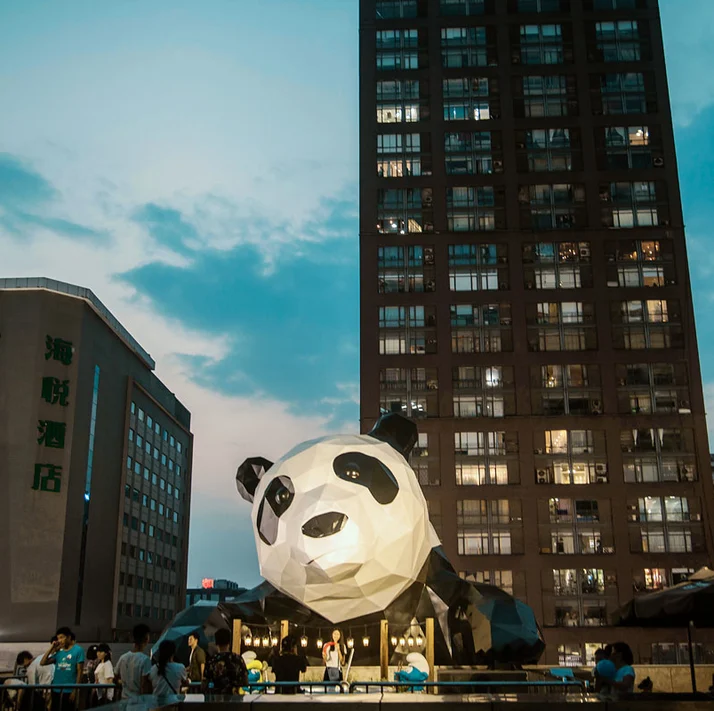
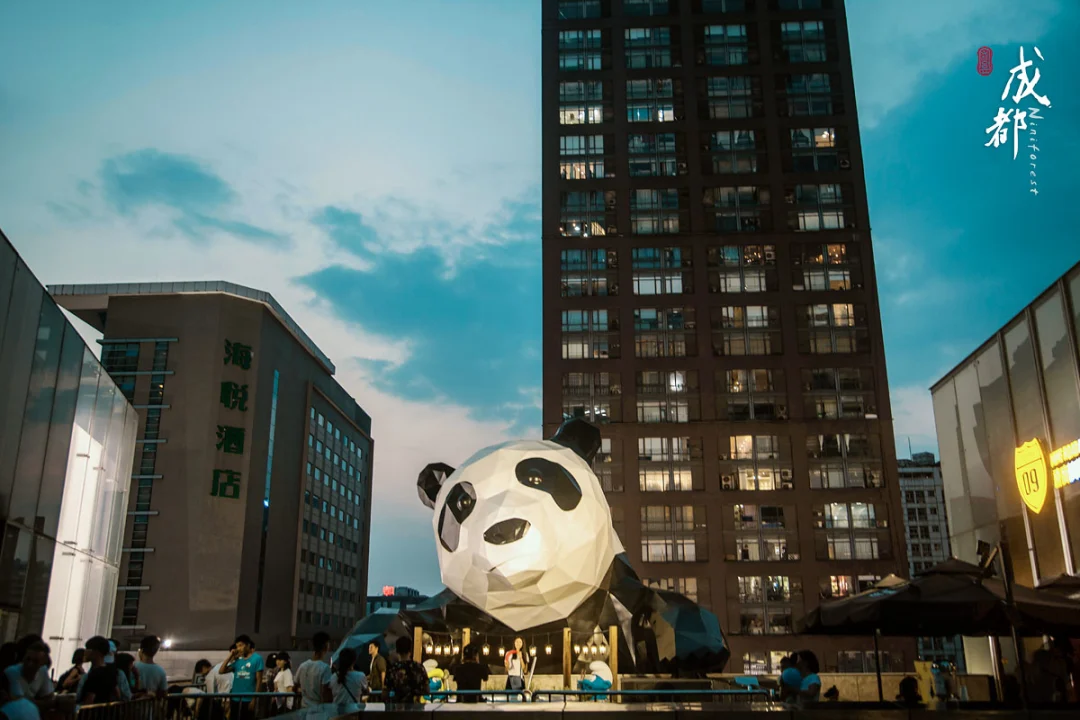
On the way back, we stopped by IFS mall to see the famous "climbing panda" sculpture on the rooftop, and we stumbled upon a Smurfs exhibition. A bunch of grown adults ran around the Smurf village like kids. I thought to myself: Maybe there's a child inside all of us who never wants to grow up.
Panda Viewing Tips: Visit the Chengdu Research Base of Giant Panda Breeding early in the morning (before 10 AM) when pandas are most active. [Link: Complete Guide to Chengdu Panda Base]
H2: Du Fu Thatched Cottage – A Winding Path to Serenity
My friends gradually left—some for work, some to continue their travels. As the "big wanderer," I decided to finish the rest of the trip alone.
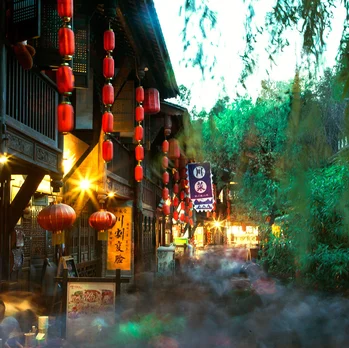
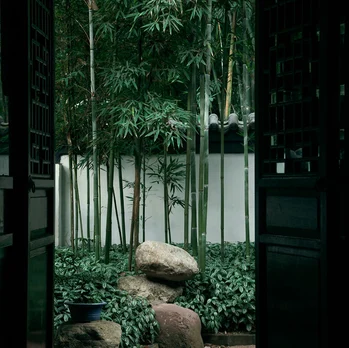
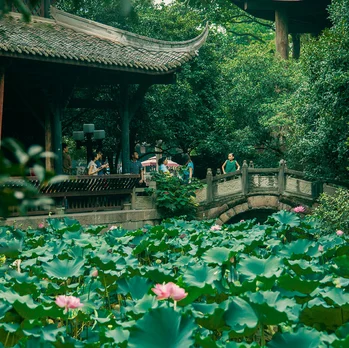
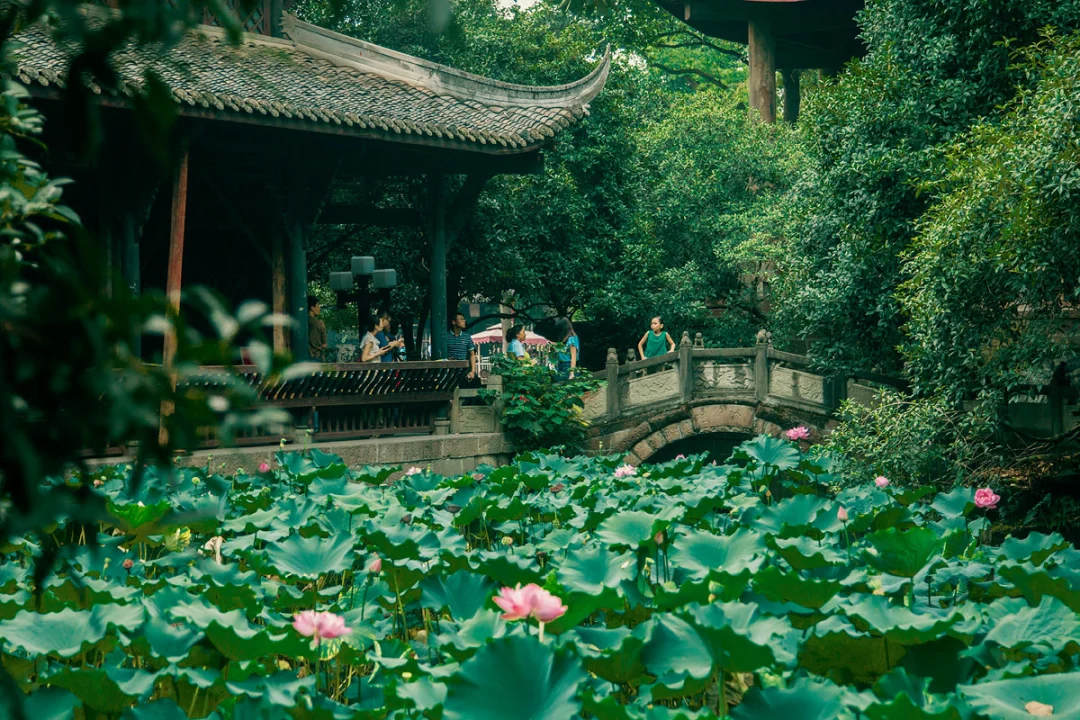
I visited Du Fu Thatched Cottage by myself. I rode a shared bike through the streets of Chengdu. The two-kilometer ride felt like stepping into another world. Red walls, green bamboo, lotus ponds—it was super Chinese-style. I set up my tripod and took a selfie. The focus was off, but that didn't matter. The feeling was right.
The cottage grounds are vast, but there are very few places to buy water. I was so thirsty I bought two bottles at a small stall near the exit. But the tranquility was worth every drop of sweat.
Travel Tip: Bring your own water when visiting Du Fu Thatched Cottage, as on-site vendors are limited. [Link: Du Fu Thatched Cottage Visitor Guide]
FAQ Section: Your Chengdu Travel Questions Answered
Q1: What is the best time to visit Chengdu?
 A: Spring (March-May) and autumn (September-November) offer the most pleasant weather. August can be hot and humid, but it's also when many festivals and events take place.
Q2: How many days do you need in Chengdu?
 A: A minimum of 3-4 days allows you to cover major attractions like Panda Base, Kuanzhai Alley, People's Park, and Wenshu Monastery. Add 1-2 days for day trips to Leshan Giant Buddha or Mount Qingcheng.
Q3: Is Chengdu expensive for tourists?
 A: Chengdu is relatively affordable compared to Beijing or Shanghai. Street food, public transport, and entry fees are budget-friendly. Expect to spend around $30-50 per day for a mid-range experience.
Q4: What should I eat in Chengdu besides hotpot?
 A: Must-try dishes include mapo tofu, dan dan noodles, bobo chicken (skewers) , cold rice cake (liang gao) , and Sichuan-style dumplings. Don't forget the tea culture at local teahouses.
Q5: How do I get around Chengdu?
A: Chengdu has an excellent metro system, affordable taxis, and bike-sharing services. For attractions like Panda Base, take the dedicated panda bus or a taxi (about 40 minutes from city center).
Conclusion: Your Chengdu Adventure Awaits
My unconventional August trip to Chengdu taught me that the best travel stories aren't always about the sights—they're about the people you meet and the moments you share. From sipping tea at People's Park to chasing pandas at the base, from getting lost at Wenshu Monastery to singing karaoke with newfound friends, Chengdu offered a charm that no guidebook could capture.
Ready to plan your own Chengdu adventure? Book your flights, pack your camera, and prepare for a journey that blends ancient culture, modern energy, and unforgettable connections. [Link: Best Chengdu Tour Packages]
Share your Chengdu story with us! Leave a comment below or tag us on social media. Your next great travel tale starts here.
Article originally published on Mafengwo. Optimized for SEO by [Your Name].
You may also like


