81 Days on Wheels: One Van, Two Humans, Three Dogs, and a Wandering Poem Across Gansu and Sichuan
Meta Description: Discover the ultimate Gansu road trip with dogs. From Dunhuang's Mogao Caves to Mingsha Mountain, this 81-day van life adventure covers 24,997 km across China's wildest landscapes. Plan your pet-friendly journey now.
Introduction: When Life Becomes a Moving Landscape
Some journeys are about arriving. Some are about escaping. Ours was about turning life into a moving landscape—together with three furry lives.
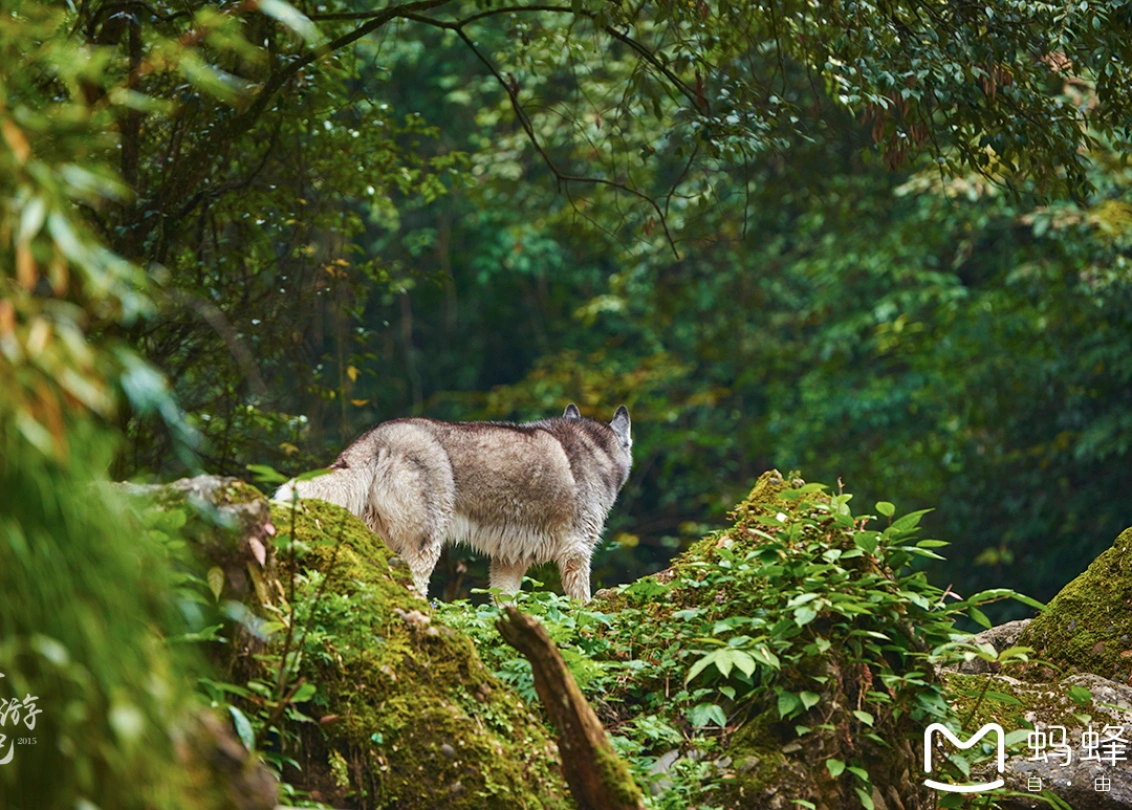
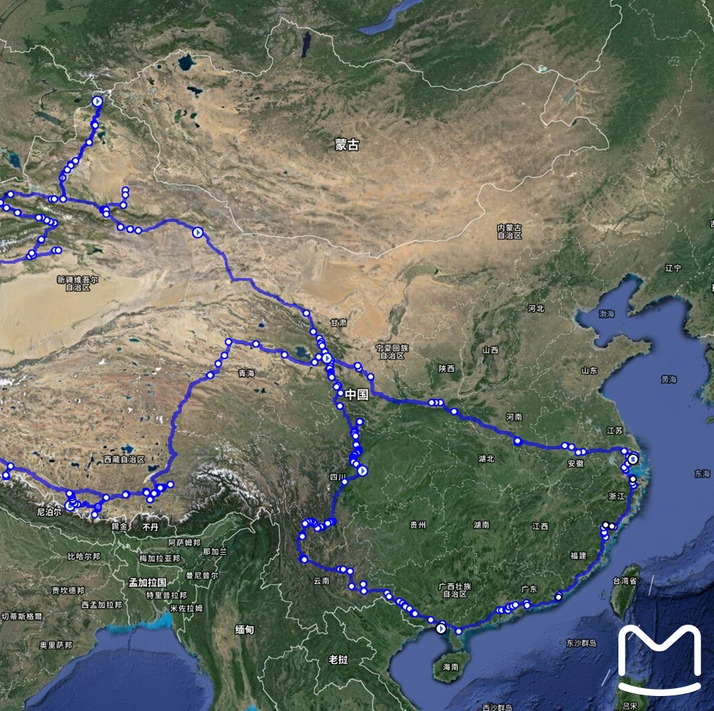
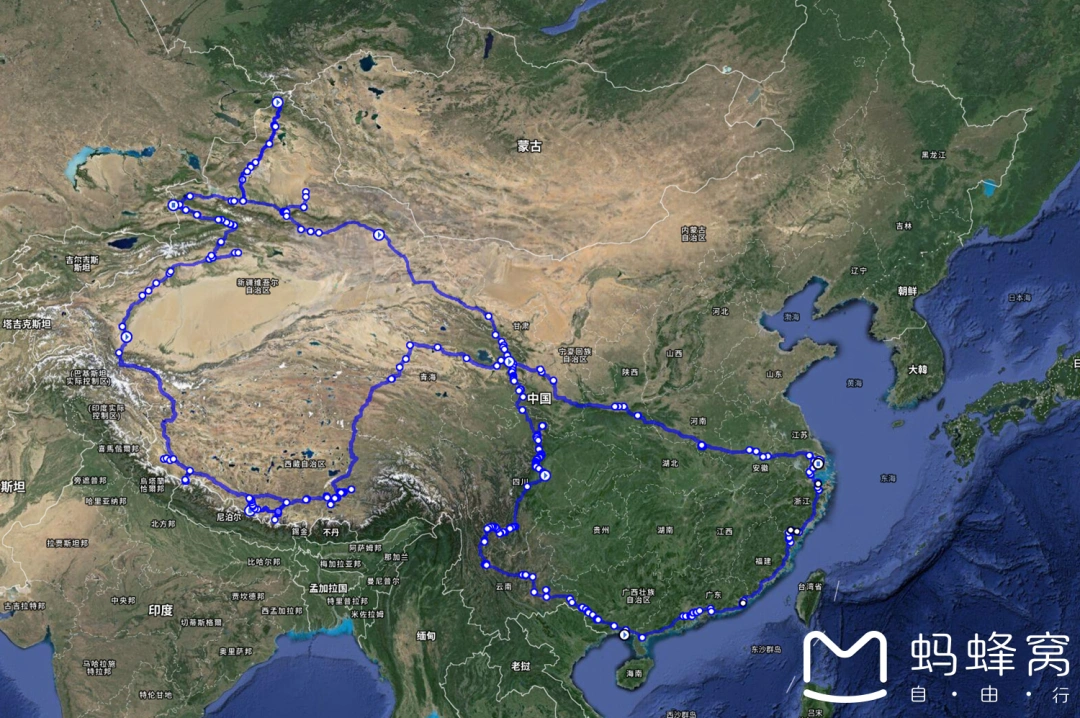
From September to November 2015, for 81 straight days, we covered 24,997 kilometers. One van, two humans, three dogs—Bing Hong Cha (Iced Black Tea), Jerry, and Sanwen Yu (Salmon). We drove from the Gobi Desert of Xinjiang into the corridor of Gansu, crossed the Qilian Mountains, and headed all the way south—just to eat an authentic hotpot in Sichuan. Sounds like a foodie's crazy excuse? Exactly. But that was the logic of our trip.
This journey was so long that photos filled entire hard drives, and the stories needed multiple chapters to tell. If you missed the Tibet and Xinjiang parts, no worries. This chapter starts in Gansu.
Gansu Road Trip with Dogs: From Xingxing Gorge to Dunhuang

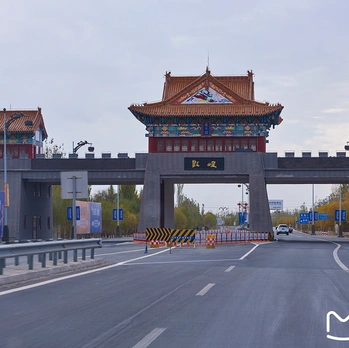
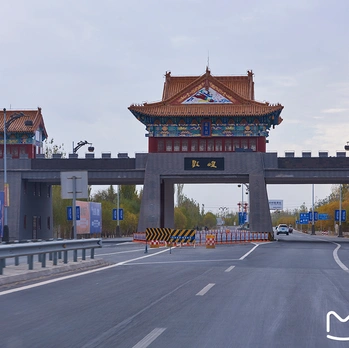
Day 50: Hami to Dunhuang – Sandstorms, Melons, and a Hat-Thieving Dog
On the 50th day of our trip, we finally entered Gansu through Xingxing Gorge. The wind blowing out of Xinjiang was terrifying—our van swayed left and right on the highway like a drunken camel. Sanwen Yu, our smallest dog, normally as bouncy as a jumping candy, was unusually quiet in the backseat.
We discovered why when we stopped at a service area: she had secretly dismantled my woolen hat. Threads were scattered everywhere. The crime scene was a disaster.
After a scolding, she immediately changed her expression, sitting upright in the passenger seat, staring ahead with sharp eyes as if to say, "I'm the navigator. I'm professional."
On the road to Dunhuang, Hami melons were everywhere. Not the kind sold at stalls—they were used as road barriers, lane dividers, even temporary roadblocks. The melon stands had closed for the cold season, leaving only some shriveled melon slices hanging on racks like dried memories, waiting for their owners to return next year.
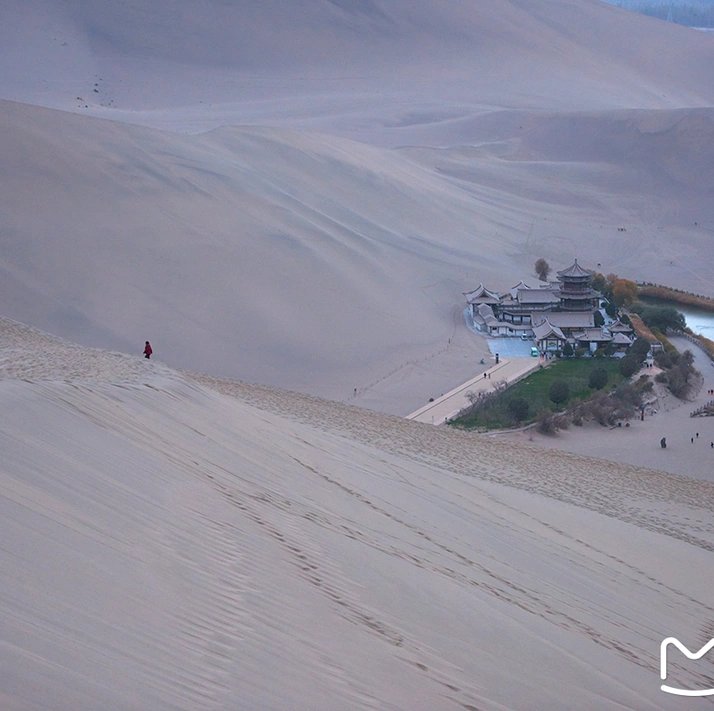
We arrived in Dunhuang at 4 PM. Instead of rushing to find accommodation, we headed straight for Mingsha Mountain and Crescent Moon Spring. The scenic area had camel caravans, which weren't suitable for dogs. Plus, the temperature was dropping fast in the evening. We gave the three little ones water and let them wait in the van.
The ticket for Mingsha Mountain was valid for three days, with fingerprint entry. The ticket seller said sunrise and sunset were the most beautiful times, so we decided to scout the area first and come back for sunrise the next morning.
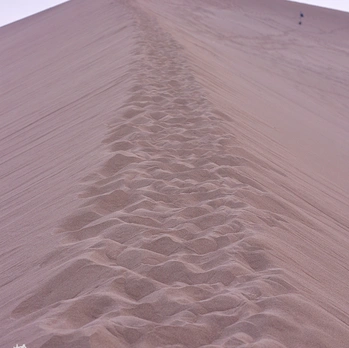
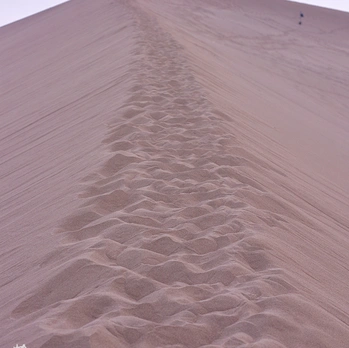
But as soon as we entered, we were drawn to the sand dunes and foolishly started climbing. We climbed from daylight until dark, exhausted ourselves, and saw nothing. By the time we came out, it was pitch black. Ours was the only van left in the parking lot. The three little ones were sleeping peacefully in the back.
Dunhuang was very dog-friendly. We asked three hotels, and all agreed to let us bring the dogs. We chose the Dunhe Grand Hotel—138 yuan in the off-season, plus a 50 yuan cleaning fee (the room had carpet). It had a secure parking lot with its own guard and a绿化带 (green belt) nearby for walking the dogs. Perfect.
[Link: Pet-friendly hotels in Dunhuang]
Visiting Mogao Caves with Dogs: A Brief Date with a Thousand-Year Civilization
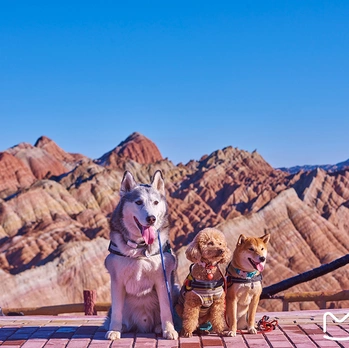
Day 51: Dunhuang – Mogao Caves Tips for Pet Owners
Our only goal today: the Mogao Caves.
Dunhuang—the name itself is a legend. The flying apsaras murals of Mogao, the myth of the Nine-Colored Deer, the endless dunes of Mingsha Mountain, the crystal-clear Crescent Moon Spring, the breathtaking Yadan landforms, the desolate poetry of "west of Yang Pass, no old friends"—every place here haunts the imagination. But what drew us most was, of course, the national treasure: the Mogao Caves.
Even though we knew dogs weren't allowed, we insisted on coming and set aside an entire day.
Before leaving, we pulled out a pack of jerky and negotiated with the three little ones: "Stay quietly in the room for one day. This pack of jerky is yours. When we come back, there'll be more treats."
Led by Bing Hong Cha, the little dogs accepted the terms. We laid out pee pads in the bathroom, left water, locked the door, and set off.
After nearly two months on the road—having done our homework for Tibet and crammed for Xinjiang—we'd been winging it everywhere else. The consequence of not doing homework: standing in front of the ticket office at the Mogao Caves Digital Center, we were stunned.
A notice read: Mogao Caves require online实名制 (real-name) reservation tickets, with a daily limit of 6,000. During peak season (May 1 to October 31), no tickets are sold after reservations close. In off-season, unsold tickets can be purchased on-site.
October 30. Still peak season.
We braced ourselves and asked. The staff member said, "Just the two of you? Hurry up and buy tickets, then go inside and ask if the theater will let you in for this screening."
Confused, we bought tickets and rushed into the digital center. The movie had already started a few minutes in. The staff said, "If you don't mind, watch now. If you want to see the full version, wait for the next showing."
We didn't mind at all. Looking at the long serpentine queue outside the theater, we could imagine how terrifying the wait must be during peak season. We were lucky to catch the last few days of sparse crowds.
The digital film "Millennium Mogao" and the dome-screen film "Dreamy Buddhist Palaces" were each 20 minutes long—exquisitely made and immersive. No photography allowed.
After the films, we took a bus to the Mogao Caves site. More ticket checks and queues upon arrival. For文物保护 (cultural relic protection), all cave entrances were locked with doors. During peak season, only 8 caves were open (we later learned that in two more days, off-season would allow half-price access to 12 caves—the price of not doing homework!).
Inside the caves: no photography, no video, no phone calls, no loud talking. Staff handed out audio guides. Groups of 25 followed a guide. Each group used a different frequency, so you had to stick with your own guide.
Each year, 40 regular caves, 20 adjustable caves, and 10 special caves were opened. The guide's route depended on the day's carbon dioxide levels in each cave. So even on the same day, different guides showed different caves.
The guide explained in detail, but the pace was too fast. Before we could really look, a cave visit was over. You couldn't stay behind—every cave was locked after each visit. All we could do was turn back to snap a photo of the murals outside the cave entrance, then hurry to the next one.
Two to three minutes per cave. Eight caves in less than an hour. The temporary group disbanded, and the guide collected the receivers and left.
We lingered outside the caves, disappointed and let down. We'd set aside an entire day to connect with this national treasure, only to be dismissed by a 20-minute film and a rushed hour-long tour. We understood the Dunhuang Academy's concerns, but we couldn't help sighing.
We turned and left.
[Link: Mogao Caves ticket booking guide 2025]
Mingsha Mountain Desert Adventure: An Unexpected Delight in the Sand
Back at the hotel by 2 PM, we still had five or six hours until dark. Suddenly gifted with half a day, we decided to revisit Mingsha Mountain.
We'd planned to catch the sunrise, but overslept. By the time we arrived last night, the sun had already set. We hadn't really played. Now was perfect.
First, we took the little dogs out for a walk and bathroom break. They were surprised to see us back so soon. Everything in the room was fine. We gave them treats as rewards, had a quick lunch, and set off.
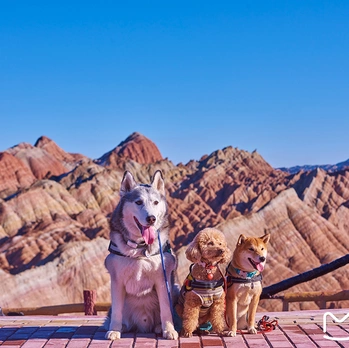
In my imagination, Crescent Moon Spring was far from the city—vast, yellow sand stretching to the horizon, an oasis suddenly appearing in an endless desert. But Mingsha Mountain was right on the edge of Dunhuang city. Standing on the sand dunes, you could see the glittering lights of the city.
I laughed at myself. Too many martial arts novels. I always imagined the frontier as remote and desolate. But here, civilization and wilderness coexisted in a way that felt almost surreal.
We spent the afternoon climbing dunes, sliding down on sandboards, and watching the sun paint the desert gold. The little dogs stayed safe in the van, but we promised ourselves we'd bring them back one day for a desert camping trip.
That evening, we found a small noodle shop near the hotel. The owner didn't mind dogs, so we brought the three little ones in. They sat quietly under the table, hoping for scraps. We shared our beef noodles with them—a perfect end to a perfect day.
Practical Tips for a Gansu Road Trip with Dogs
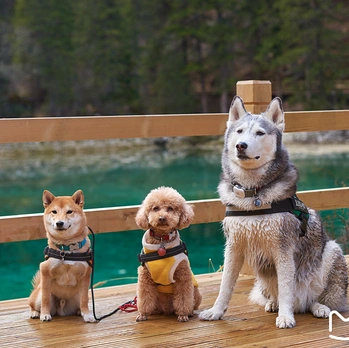
Best Time to Visit Dunhuang
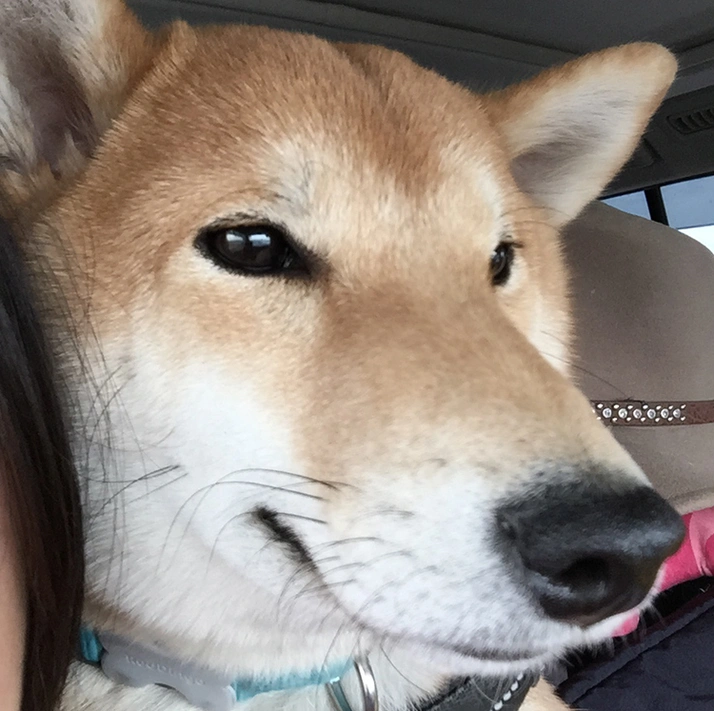
The ideal time for a Dunhuang road trip is April to May or September to October. Summer is scorching hot, and winter can be bitterly cold. We visited in late October—the weather was pleasant, but peak season crowds were still present until October 31.
Pet-Friendly Hotels in Dunhuang
Dunhuang is surprisingly dog-friendly. We asked three hotels, and all allowed dogs. The Dunhe Grand Hotel (138 yuan off-season + 50 yuan cleaning fee) was excellent—secure parking, carpeted rooms, and a nearby green belt for walks.
Mogao Caves Ticket Tips
- Book online in advance (real-name registration required)
- Peak season (May 1–Oct 31): 6,000 tickets daily, no on-site sales after reservations close
- Off-season (Nov 1–Apr 30): Half-price tickets for 12 caves (vs. 8 in peak season)
- Dogs are not allowed inside the caves
[Link: China road trip packing list for dogs]
FAQ: Gansu Road Trip with Dogs
1. Can I take my dog to the Mogao Caves?
 No. Dogs are not permitted inside the Mogao Caves site. However, many hotels in Dunhuang are pet-friendly, so you can leave your dog safely in your room while visiting.
2. What is the best season for a Gansu road trip?
Spring (April–May) and autumn (September–October) offer the most comfortable temperatures. Summer is extremely hot, and winter can be harsh, especially in desert areas.
3. How many days should I spend in Dunhuang?
 We recommend at least 2–3 days: one day for Mogao Caves, one day for Mingsha Mountain and Crescent Moon Spring, and an extra day for Yadan National Geopark or the Yumen Pass.
4. Are there pet-friendly hotels in Dunhuang?
 Yes. Many hotels in Dunhuang allow dogs, especially during the off-season. We stayed at the Dunhe Grand Hotel, which charged a 50 yuan cleaning fee for pet-friendly rooms.
5. What should I pack for a van life trip with dogs in Gansu?
Essentials include: pee pads, portable water bowls, dog food and treats, a first-aid kit, a leash and harness, and a cooling mat for hot days. Also bring a spare hat—our dog chewed mine!
Conclusion: Your Own Wandering Poem Awaits
Our 81-day journey across Gansu and Sichuan wasn't just about ticking off tourist spots. It was about the unexpected moments—a hat-thieving dog, a last-minute ticket miracle at Mogao, and the surreal sight of city lights from a desert dune.
If you're dreaming of a van life adventure in China, especially a Gansu road trip with dogs, start planning now. Book your Mogao Caves tickets early, find pet-friendly hotels, and leave room for spontaneity.
The road is waiting. Turn your life into a moving landscape.
Ready to hit the road? Share your own travel stories or ask questions in the comments below. And if you need help planning your pet-friendly China road trip, [Link: contact us for personalized itinerary advice].
Follow us on Xiaohongshu/Weibo: Salmon Has a Black Tuna for more adventures.
You may also like