★ Wen Xiansen ★ Want to Blow Up Your Friends' Circle in Canada? Just Follow Wen Xiansen!
Meta Description: Discover how to capture stunning Canada travel photos that go viral on social media. From Banff to Yellowknife, learn insider tips for epic travel photography in Canada.
Introduction: Why Your Canada Travel Photos Need a Makeover
The trip is over. You open your phone gallery, and it's full of tourist snapshots—standing in front of a landmark with a peace sign, a sea of people crowding the background, lighting either blown out or dull. You post on your social feed, and the likes trickle in. The comments? Just "haha" and "nice." Have you ever had that moment?
Don't worry—Wen Xiansen is here.
This time, I took Miss Night on a 17-day journey across eastern and western Canada, from the snow-capped mountains and lakes of the Rockies to the northern lights over Yellowknife, to the French romance of Quebec City. Despite rotten luck—overcast skies and rain for most of the trip—we still managed to capture photos that set our friends' circles on fire. What's the secret? It's not the gear. It's not the technique. It's the mindset.
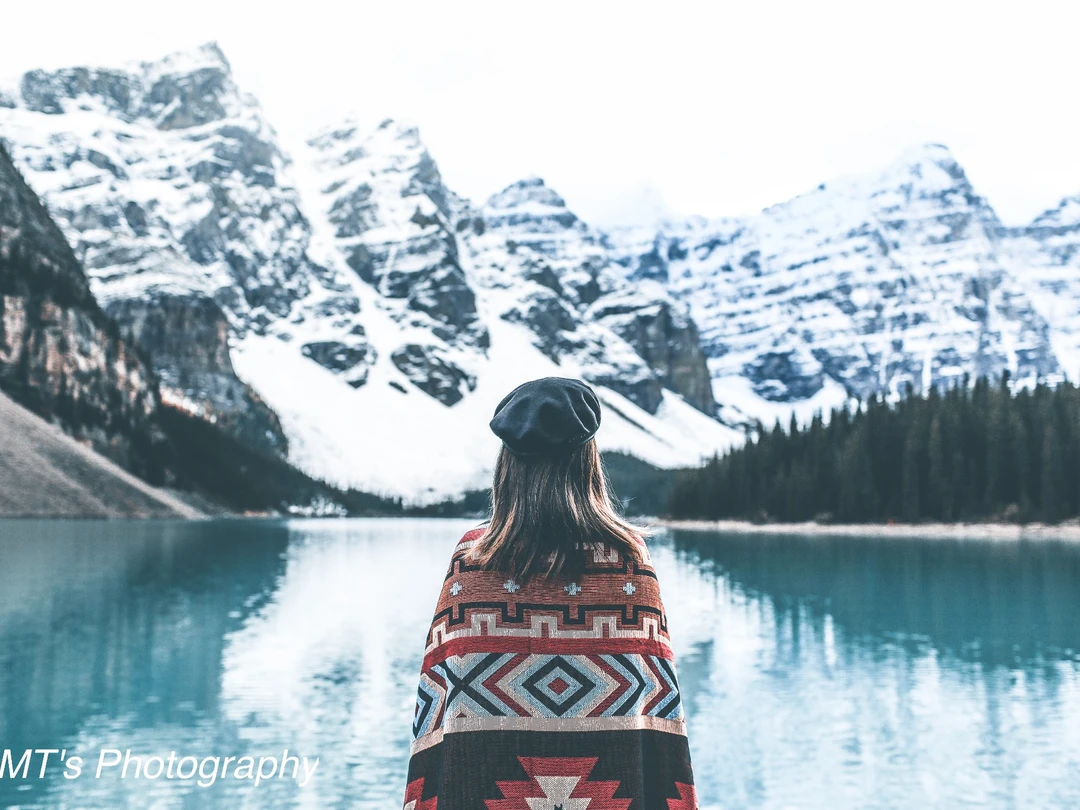
In this article, I'm not just going to tell you how to travel Canada—which places are worth your time and which pitfalls to avoid—but also teach you step by step how to use a blanket, an angle, and the right timing to shoot travel photos that are totally different from everyone else's.
Ready? Follow Wen Xiansen. Let's go.
Why Is Canada Worth Flying Halfway Around the World?
When you decide to visit a place, it's because something there calls to you. You go to New Zealand for extreme sports. You go to Bolivia for the salt flats. You go to Chiang Mai for the lantern festival. So what about Canada?
Here are the seven highlights that make Canada stand out—and why I chose it:
1. The Rocky Mountains

Stretching across Alberta and British Columbia, the Rockies are the soul of Canada's natural beauty. Three national parks—Banff, Jasper, and Yoho—surround this range, offering breathtaking snow-capped peaks and lakes all year round. [Link: Best time to visit Banff National Park]
2. Vancouver
Consistently ranked among the top three most livable cities in the world. Vancouver seamlessly blends urban life with nature, with a rich multicultural atmosphere. You can sit with a coffee and gaze at both mountains and the ocean at the same time.
3. Quebec City
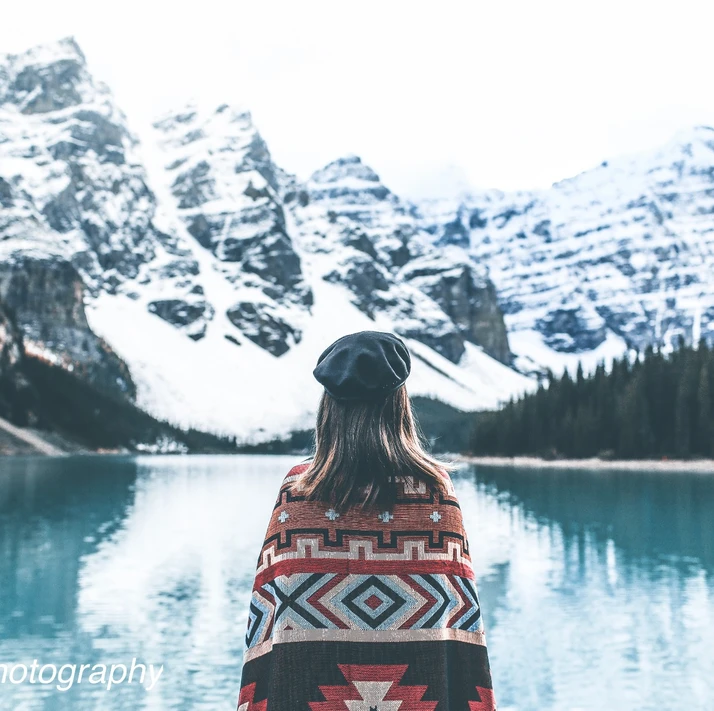
If it weren't for the Korean drama Goblin, this oldest city in North America might have stayed hidden. But once discovered, it can't be ignored. The world's most photogenic hotel—Château Frontenac—is here. Every street, every building looks like it stepped out of a painting.
4. Yellowknife
Aurora borealis, diamond mines, extreme cold—these three keywords sum it up. Honestly, aside from the northern lights, there's not much to see. But once you witness the aurora dancing overhead, it's all worth it.
5. The Maple Leaf Country
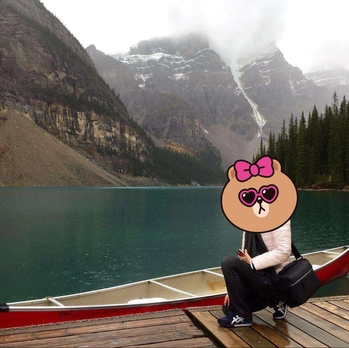
Canada's love for maple leaves goes far beyond our obsession with pandas—they put it right on their flag. Unfortunately, we visited a bit early in the season, so the leaves hadn't fully changed color. But a small regret is the best reason to plan your next trip.
6. Toronto
Compared to Vancouver, Toronto feels more like a city for "grinding"—faster pace, more skyscrapers, higher cost of living. Vancouver, on the other hand, is better for retirement and a slow lifestyle.
7. Niagara Falls
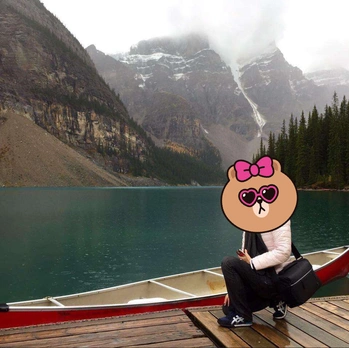
One of the most famous attractions of the Great Lakes, straddling the U.S.-Canada border. Want the most spectacular view? You have to stand on the Canadian side! The American side is seriously underwhelming. [Link: Niagara Falls travel guide]
Pre-Trip Preparation: Visa, Car Rental, and Apps
Canada Visa Application Tips
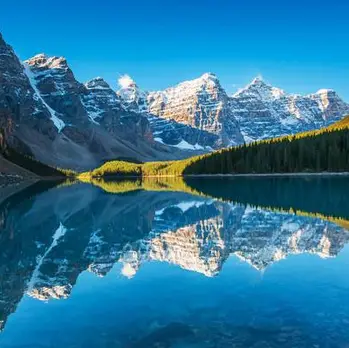
Canada's visa rejection rate isn't low, but if you prepare your documents thoroughly, it's not that hard. Key point: Make a detailed Excel spreadsheet of your itinerary, including flights, hotels, car rentals, and attractions. It doesn't have to be 100% accurate, but it should make one thing crystal clear to the visa officer—you're going on a trip, not for any other purpose.
Car Rental in Canada: What to Know
On this trip, we split it into western and eastern sections and rented cars twice.
Western Section: Campervan (RV) 5 days, 1,400 CAD (about 8,000 RMB). I'd seen these vehicles during my working holiday in New Zealand—covered in colorful patterns, equipped with a kitchen, cookware, and a tent. Perfect for a road trip. But the downsides are obvious: high fuel consumption, you must park at designated campsites (about 200 RMB per night), and if it rains and cools down, setting up a tent and sleeping in a sleeping bag is pure torture. So unless it's a sunny summer, I don't recommend this for the ladies.
Eastern Section: Standard SUV 7 days, 3,464 RMB. I booked a Hertz car through a domestic travel website. Comparing prices, domestic websites actually offer lower rates because of their high traffic. If your English is average, booking domestically is the most hassle-free option.
Essential Travel Apps for Canada
- Google Maps (English version): Change your phone language to English and time zone to Canada. Chinese translations will leave you lost. Note: Roaming on a Chinese SIM card won't work with Google Maps—you need a portable WiFi device or a local SIM.
- 探途 Offline Maps (Tantu): Made by Zuzuche (a Chinese car rental platform), good for planning with attraction recommendations and user reviews.
- Instagram: Search the place name wherever you go. You'll discover photo angles that domestic travel guides never mention.
- Aurora Fcst: Essential for Yellowknife aurora viewing—predicts aurora activity times. But since your itinerary is fixed, it can only tell you "tonight's promising" or "tonight's a bust."
- Baidu Maps: Don't laugh—it now supports global maps. Several times when Google Maps let us down, opening Baidu Maps actually got us back on track.
Vancouver: The Perfect Balance of City and Nature
Vancouver is an immigrant city. One in five people you pass on the street are of Asian descent. But most are Canadian-born, speaking fluent English, and may not even know their ancestral language.
Must-Visit Attractions in Vancouver
- Capilano Suspension Bridge Park: A classic photo spot. We stayed at the Blue Horizon Hotel, which had a free shuttle directly to the park. The hotel balcony also offers a panoramic view of Vancouver.
- Pink Alley: Just Google it. Close to Gastown, this entire alley is covered in graffiti and vibrant colors—perfect for influencers looking for a photo op.
- Stanley Park: Cycling around it is a favorite local activity. The route takes you through forest paths, along coastal trails, with city views, and across the Lions Gate Bridge (designed by the same engineer as San Francisco's Golden Gate Bridge). Bike rental shops are concentrated on Denman Street near the park entrance. Note: You must wear a helmet when cycling in Canada, or you'll be fined.
From Vancouver to the Rockies: The Biggest Pitfall
Never drive from Vancouver to Banff!
Google Maps says it's over 10 hours. Add traffic, rest stops, meals, and bathroom breaks, and you're looking at a full day to a day and a half. The sights along the way pale in comparison to the Rockies. And I'm not even mentioning the two-hour detour I took to see Spotted Lake. That lake only looks good in summer; during the dry season, the colorful spots on the bottom are exposed.
The right way: Fly from Vancouver to Calgary, then rent a car and drive west for just over an hour to reach Banff town.
The Rockies: Banff & Yoho National Parks
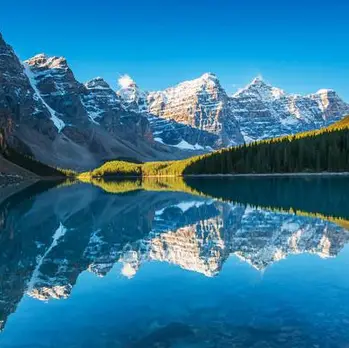
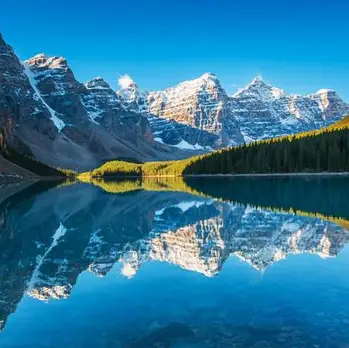
Remember this: When you come to Banff, you're here for the lakes and the snow-capped mountains behind them. Don't obsess over off-the-beaten-path spots. If you're short on time, the popular attractions are the best attractions.
Popular Attractions in Banff
- Lake Louise: The classic of classics.
- Moraine Lake: The water is so blue it doesn't look real.
- Emerald Lake: True to its name, green as an emerald.
Lesser-Known Spots Worth Visiting
- Natural Bridge
- Vermilion Lakes
- Two Jack Lake
- Lake Minnewanka
- Lake Agnes Teahouse: A 3.5-kilometer hike from the right side of Lake Louise, round trip takes 2.5 to 3 hours. [Link: Best hikes in Banff National Park]
Yellowknife: Chasing the Northern Lights
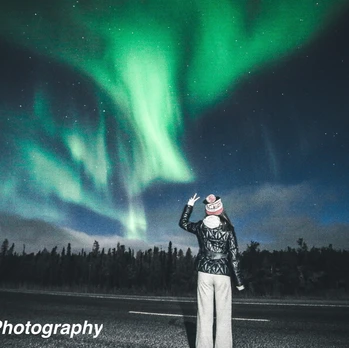
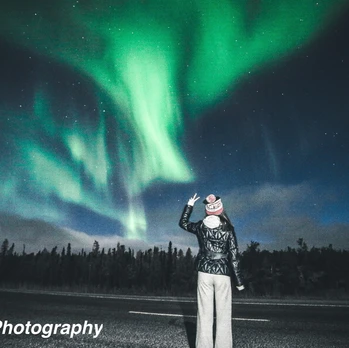
Yellowknife is the aurora capital of Canada. Here's how to maximize your northern lights photography:
Best Time for Aurora Viewing
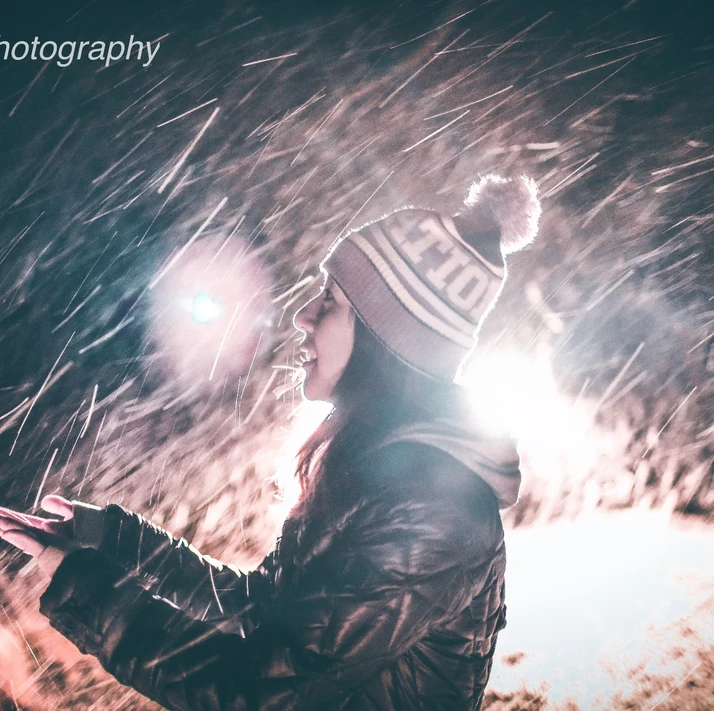
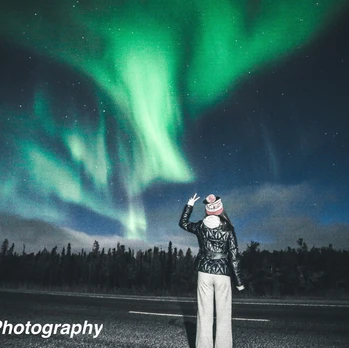
Late August to early April offers the best chances. We visited in early September and caught spectacular displays despite the autumn clouds.
Photography Tips for Northern Lights
- Use a tripod (essential)
- Set your camera to manual mode
- Start with ISO 1600, f/2.8, 10-15 second exposure
- Bring extra batteries (cold drains them fast)
- Wear thermal layers (temperatures can drop to -30°C)
Quebec City: A Step Back in Time
Quebec City feels like stepping into a European fairy tale. The Château Frontenac dominates the skyline, and every cobblestone street offers a photo opportunity.
Photo Spots in Quebec City
- Château Frontenac from Dufferin Terrace
- Petit Champlain District (oldest commercial street in North America)
- Place Royale (where Samuel de Champlain founded the city)
- Breakneck Steps (Escalier Casse-Cou) for dramatic angles
FAQ: Canada Travel Photography
Q1: What's the best camera for Canada travel photography?
You don't need expensive gear. A smartphone with good low-light performance (like an iPhone 14 Pro or Samsung S23 Ultra) works perfectly. For northern lights, a mirrorless camera with a fast lens is helpful, but not mandatory.
Q2: How do I avoid crowds in popular photo spots?
Arrive before sunrise (6:00-7:00 AM) at Lake Louise and Moraine Lake. Weekdays are less crowded than weekends. Shoulder seasons (May-June, September-October) offer fewer tourists.
Q3: Can I use a drone for aerial photography in Canada?
Drones are restricted in national parks (Banff, Jasper, Yoho). You need a permit for commercial use. For personal use, check local regulations before flying.
Q4: What's the best time of day for landscape photography?
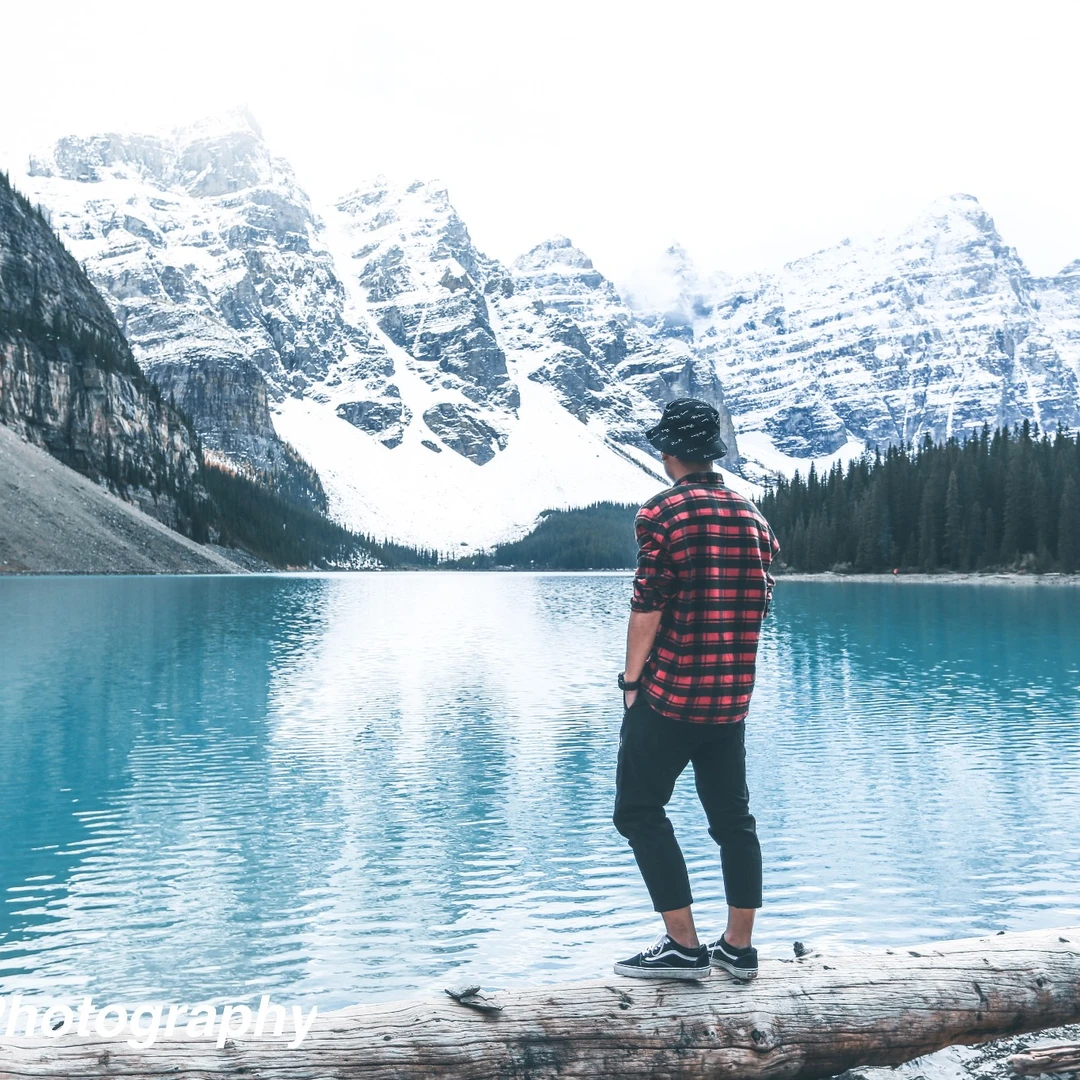
Golden hour (sunrise and sunset) provides the best light. For lakes, morning light offers calm water reflections. For mountains, late afternoon creates dramatic shadows.
Q5: How do I photograph the northern lights without a tripod?
Use a stable surface (rock, fence, car roof) and set a 2-second timer to avoid camera shake. Increase ISO to 3200-6400 for handheld shots, but expect some noise.
Final Tips for Blowing Up Your Friends' Circle
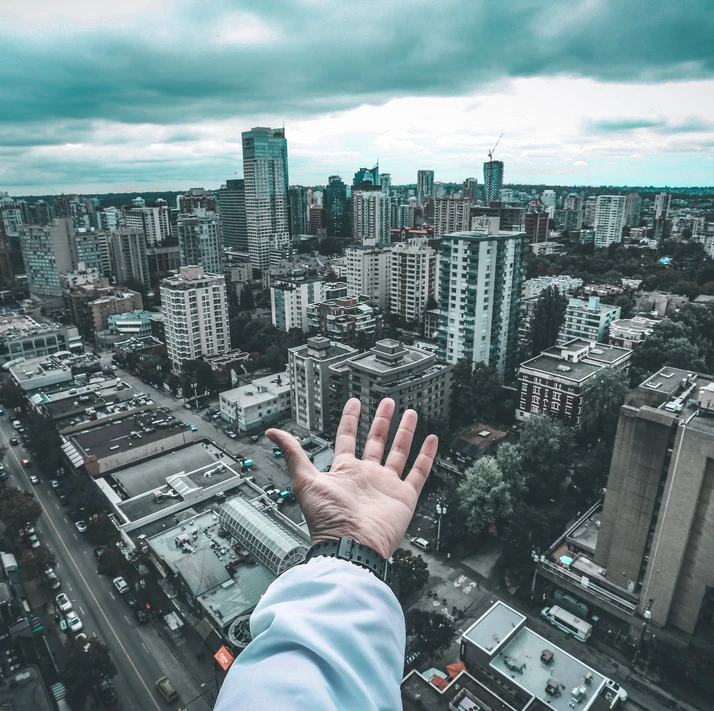
- Plan your outfits: Bright colors pop against Canada's natural landscapes
- Use leading lines: Roads, trails, and shorelines draw the eye
- Incorporate people: Show scale by including a person in landscape shots
- Edit consistently: Use the same filter or preset for a cohesive feed
- Post at peak times: Evenings and weekends see the most engagement
Ready to Plan Your Canada Adventure?
Canada offers endless opportunities for stunning travel photography. Whether you're chasing the northern lights in Yellowknife, capturing turquoise lakes in Banff, or exploring the cobblestone streets of Quebec City, the key is preparation and mindset.
Your next step: Download our free Canada travel checklist and start planning your epic photo journey today.
Share your Canada photos with us! Tag #WenXiansenCanada for a chance to be featured on our social media channels.
[Link: Canada travel photography tips] [Link: Best time to visit Canada] [Link: Canada road trip itinerary]
Follow Wen Xiansen for more travel photography secrets and Canada travel guides. Your friends' circle will thank you.
You may also like